






Sweetener's Hidden Dangers
A widely consumed artificial sweetener, often found in numerous low-calorie food and beverage options, might not be as biologically inactive as previously
assumed. Emerging scientific inquiry points to potential adverse effects stemming from a compound associated with sucralose, the primary component in a well-known sugar substitute. This research raises significant questions about its safety, indicating that this ubiquitous ingredient may have more complex interactions within the body than initially understood. The findings suggest a need for a closer examination of the metabolic pathways and biological consequences of consuming this artificial sweetener, particularly concerning its less-known derivatives.
The Sucralose-6-Acetate Factor
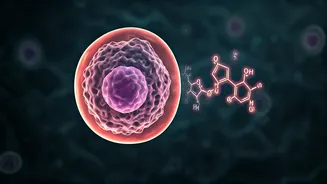
The crux of recent scientific concern lies with a specific chemical known as sucralose-6-acetate. This compound is not only generated when the body processes sucralose but also exists in trace quantities within the sweetener itself, a result of the manufacturing process. Investigations have revealed that this byproduct can constitute a notable percentage, up to 0.67%, of certain commercially available sucralose products. Furthermore, its levels may escalate following the digestive process. Biomedical engineering researchers have characterized sucralose-6-acetate as genotoxic, meaning it has the potential to damage genetic material. Alarmingly, these concerning levels have been detected in off-the-shelf sucralose even before it is ingested or metabolized by the body, suggesting exposure can occur from the product itself.
DNA Damage and Genotoxicity
Substances classified as genotoxic warrant careful consideration due to their capacity to harm DNA, a process that can potentially increase the likelihood of mutations linked to severe illnesses like cancer. In controlled laboratory experiments involving human cells, sucralose-6-acetate was observed to induce breaks in the DNA strands, a form of damage recognized as clastogenicity. Researchers employed multiple scientific methodologies, including an advanced high-throughput system for screening DNA damage and a specific micronucleus test designed to identify chromosomal abnormalities. Both of these rigorous assessments consistently demonstrated the compound's ability to disrupt the integrity of genetic material within the cells subjected to its influence. These findings are particularly concerning as the exposure levels in a single sucralose-sweetened beverage could exceed the European Food Safety Authority's established threshold of toxicological concern for genotoxic substances, which is set at 0.15 micrograms per person per day, even before accounting for additional amounts produced metabolically or from repeated consumption.
Gut Barrier Compromised
Beyond its impact on genetic material, the study also investigated the effects of sucralose and its byproduct on the gastrointestinal system. When tested on lab-cultivated human intestinal tissue, both sucralose and sucralose-6-acetate were found to weaken the protective lining of the digestive tract. This phenomenon, often referred to as 'leaky gut,' occurs when the crucial 'tight junctions' that bind intestinal cells together become disrupted. Consequently, the intestinal wall becomes more permeable, allowing substances that should typically be retained within the gut to inadvertently pass into the bloodstream. This compromised barrier function has far-reaching implications for overall health, as it can lead to systemic exposure to substances that would otherwise be contained.
Altered Gene and Enzyme Activity
Further analysis delved into how sucralose-6-acetate influences cellular processes by examining changes in gene expression. Cells exposed to this compound exhibited heightened activity in genes known to be involved in inflammation, oxidative stress, and pathways associated with cancer development. Notably, a specific gene, MT1G, displayed particularly significant alterations and is well-established as a marker for cellular stress responses. Additionally, the research indicated that sucralose-6-acetate interferes with key enzymes responsible for metabolizing various compounds. Laboratory findings revealed that the genotoxic agent inhibited CYP1A2 and CYP2C19 enzymes, which play a vital role in the breakdown of numerous medications and endogenous substances. If similar effects manifest in humans, this enzymatic interference could have a substantial impact on how certain drugs are processed by the body, potentially altering their efficacy and duration of action.