
Solar Maximum Explained
The sun goes through cycles, with periods of increased activity known as solar maxima. During these phases, the sun's magnetic field becomes more dynamic,
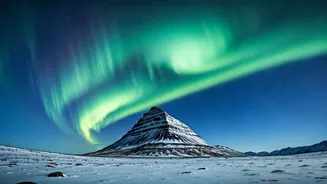
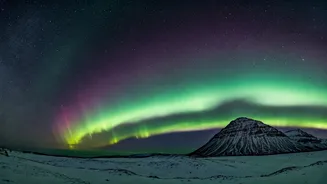
leading to a greater number of sunspots, solar flares, and coronal mass ejections (CMEs). These events release massive amounts of energy and particles into space. When these charged particles interact with the Earth's atmosphere, they collide with gases like oxygen and nitrogen, creating the breathtaking auroral displays we call the Northern Lights (aurora borealis) and Southern Lights (aurora australis). The higher the solar activity, the more frequent and intense these auroras become, potentially visible across a wider area. These cycles usually last around 11 years.
Predicting Aurora Visibility
Forecasting auroras involves monitoring solar activity. Scientists use data from satellites and ground-based observatories to track sunspots, solar flares, and CMEs. They then use this data to predict the intensity and location of auroras. The Space Weather Prediction Center (SWPC) is a key organization that provides forecasts and alerts. A critical measurement is the Kp index, which indicates geomagnetic activity. Higher Kp values suggest a higher probability of auroras. For those in lower latitudes, the geomagnetic storms need to be more intense. Auroras occur when charged particles from the sun, known as the solar wind, interact with the Earth's magnetic field and are funneled towards the poles.
Best Viewing Locations
To maximize your chances of seeing the Northern Lights, you should select locations with minimal light pollution and clear skies. Prime viewing locations include the Arctic regions like Alaska, Canada, Iceland, Greenland, Norway, Sweden, and Finland. Specific spots within these areas, away from city lights, offer ideal conditions. For those in northern latitudes, even moderate solar activity can bring auroras, while those closer to the equator require more extreme events to see the lights. The optimal time to view auroras is during the winter months when the nights are long and dark. The clearer the sky, the better the experience.
What to Expect in 2026
With 2026 predicted to be close to the solar maximum, there's a good chance for seeing spectacular auroras. Solar maximums are the peak of the 11-year solar cycle, promising more frequent and stronger auroral displays. Scientists forecast increased solar flares and CMEs, leading to greater geomagnetic disturbances. This means auroras will likely be more vibrant and potentially visible in lower latitudes than usual. Keep an eye on the Space Weather Prediction Center's forecasts and alerts to plan your viewing trips. Stay prepared by knowing where the best viewing locations are and when the best times will be.
Other Atmospheric Effects
Increased solar activity not only creates auroras but can also affect Earth in other ways. Geomagnetic storms can impact satellite operations, potentially disrupting communication and navigation systems. Power grids are also susceptible to disturbances. On a more positive note, the enhanced solar activity might also lead to better radio propagation, as the sun's energy energizes the ionosphere. The increased solar winds could also provide more opportunities to witness other space phenomena. While the auroras are a beautiful sight, it's essential to understand that solar activity can also pose some risks to technology and infrastructure.