






What is exRNA?
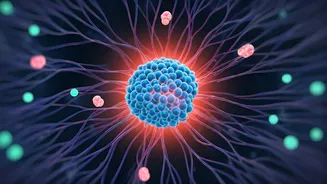
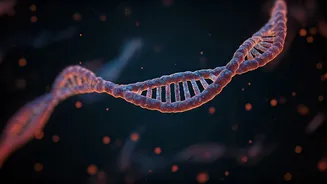
Extracellular RNA, or exRNA, refers to RNA molecules that exist beyond the confines of a cell. For a long time, the scientific community widely believed
that RNA's functionality was strictly intracellular, and any RNA that escaped a cell would be rapidly degraded by enzymes present in bodily fluids like blood. This traditional view suggested that RNA was solely an internal messenger. However, recent scientific revelations have overturned this long-held assumption, demonstrating that cells can, in fact, actively and intentionally release RNA into their external environment. This export of RNA is not a random leakage but a controlled process, fundamentally altering our perception of RNA's role in biological systems and inter-cellular communication.
exRNA's Survival Mechanisms
For exRNA to successfully navigate the extracellular environment and fulfill its intended purpose, it requires robust protection. Within the complex milieu of bodily fluids, exRNA is shielded from enzymatic breakdown by being encased in specialized molecular transport vehicles. These protective containers act as barriers, preserving the integrity of the RNA until it reaches its target destination. This ingenious packaging mechanism ensures that exRNA can travel significant distances and remain viable, allowing it to transmit its coded messages effectively without being prematurely destroyed by the body's natural defense systems. This ability to survive outside the cell is crucial for its function as a communication molecule.
Communication and Coordination
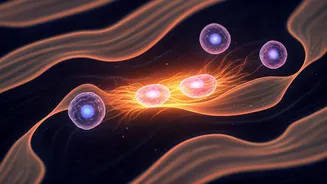
Extracellular RNA plays a pivotal role as a sophisticated system for long-distance communication between cells. A cell can release exRNA to convey specific instructions to another cell situated elsewhere in the body. These signals can profoundly influence the recipient cell's behavior, dictating changes in its activity or even triggering the activation of particular genes. This intercellular dialogue is essential for coordinating vital physiological processes such as the immune system's response to threats, the intricate mechanisms of tissue repair after injury, and the complex orchestration of embryonic development. However, this communication channel isn't exclusively used for beneficial purposes; malignant cells can also leverage exRNA to facilitate tumor proliferation and growth.
Medical Breakthroughs from exRNA
The elucidation of extracellular RNA's existence and function has ushered in a new era in modern medicine, offering unprecedented diagnostic and therapeutic possibilities. By simply analyzing the exRNA profiles found in a patient's blood or other bodily fluids, medical professionals can now identify distinct RNA signatures that are strongly correlated with various diseases. This capability is particularly transformative in the early detection of conditions like cancer and heart disease, allowing for interventions at earlier, more treatable stages. The ability to glean such detailed biological information from non-invasive fluid samples promises to revolutionize how we diagnose, monitor, and potentially treat a wide spectrum of human ailments.
Bacteria and Waterborne Insights
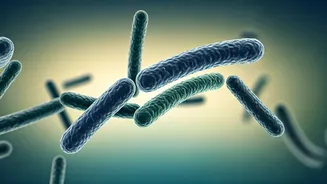
Recent scientific investigations have uncovered a compelling application of exRNA analysis in understanding microbial life, particularly in the context of water safety. A study published on March 28 revealed that extracellular RNA derived from bacteria can remain stable and detectable even in disinfected drinking water. More remarkably, by examining this residual exRNA, researchers can infer the specific survival strategies employed by bacteria just prior to their inactivation or destruction, which leads to the release of the exRNA. This forensic-like approach enables scientists to ascertain which defensive mechanisms were most effective for the bacteria, providing invaluable data that can be leveraged to develop more potent and efficient disinfectant agents for ensuring public health.