







The Danakil Depression
The Danakil Depression, situated in Ethiopia, Eritrea, and Djibouti, serves as a stark reminder of the planet's geological drama. This area is characterized
by intense volcanic activity, high temperatures, and extreme aridity, creating a surreal environment that seems otherworldly. The Danakil Depression features several active volcanoes, sulfur springs, and salt flats, offering a vivid example of Earth's dynamic processes. The Dallol volcano and the Erta Ale volcano are major attractions in this area. Dallol is known for its brightly colored hydrothermal pools and sulfur deposits, while Erta Ale boasts a permanent lava lake, offering a rare glimpse into the Earth's molten core. The Danakil Depression's temperatures can soar above 50°C (122°F), making it one of the hottest places on Earth. This extreme climate further contributes to the unique conditions found here. The salt flats, formed by the evaporation of ancient seas, create a vast, white expanse that contrasts sharply with the colorful volcanic features, resulting in a visual spectacle unlike any other. The region's isolation has contributed to its untouched beauty, making it a destination for those seeking a truly unique experience. The Danakil Depression also reveals insights into the origins of life and the processes that shape our planet.
Mount Everest's Majesty
Mount Everest, the world's highest peak, stands as a testament to the power of tectonic forces and a beacon for mountaineers. Located in the Himalayas, straddling the border between Nepal and Tibet, Everest's towering height of 8,848.86 meters (29,031.7 feet) above sea level has captivated explorers and scientists alike. The formation of Mount Everest is the result of the collision between the Indian and Eurasian tectonic plates, a process that continues to elevate the mountain incrementally each year. The dramatic landscape surrounding Everest features glaciers, steep rock faces, and high-altitude winds that create a harsh yet stunning environment. The Khumbu Icefall and the Death Zone are significant challenges for climbers, demanding extreme physical and mental resilience. The mountain's summit provides panoramic views of the surrounding Himalayan range, offering an unparalleled perspective of the Earth's rugged beauty. The mountain's ecosystem is also unique, with specialized plants and animals adapted to survive in extreme conditions. Everest's allure lies not only in its height but also in the rich cultural significance it holds for the local communities and the enduring human quest for exploration and achievement. The mountain continues to inspire awe and serves as a symbol of the enduring power of nature.
The Grand Canyon's Depth
The Grand Canyon, carved by the Colorado River in Arizona, USA, is a breathtaking example of the Earth's geological history. The canyon's vast dimensions, stretching approximately 446 kilometers (277 miles) long, up to 29 kilometers (18 miles) wide, and over 1.6 kilometers (1 mile) deep, showcase the erosive power of water over millions of years. The layers of exposed rock reveal a geologic timeline, providing insight into the diverse environments that existed throughout the area's history. The Colorado River continues to carve the canyon, shaping the landscape and carrying sediment downstream. The colors of the canyon walls vary with the different rock formations, creating a mosaic of hues that shift with the sunlight. The canyon is home to a diverse ecosystem, ranging from the arid desert at the rim to the riparian environments along the river. The canyon provides habitats for various plant and animal species, including unique desert adaptations and diverse birdlife. Visitors can enjoy a variety of activities, from hiking and camping to rafting and helicopter tours, offering different perspectives of the canyon's grandeur. The Grand Canyon's breathtaking vistas and the geological insights it offers make it a destination of great scientific importance and immense natural beauty.
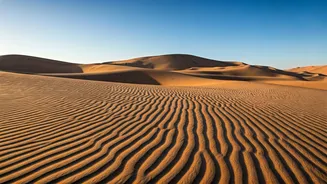
The Sahara Desert's Vastness
The Sahara Desert, the world's largest hot desert, stretches across much of North Africa, creating an expanse of sand dunes, rocky plateaus, and sparse vegetation. The Sahara's vastness, spanning approximately 9.2 million square kilometers (3.6 million square miles), highlights the power of climate and the forces of erosion. The desert's extreme climate, with high temperatures and low rainfall, influences the landscapes and the adaptations of its inhabitants. Sand dunes, which can reach heights of hundreds of feet, are constantly shaped by wind, creating a dynamic environment. The Sahara's unique features include oases, where underground water sources support life and provide havens for plants, animals, and people. The desert is home to various species, including camels, desert foxes, and numerous types of insects and reptiles, all adapted to the harsh conditions. The Sahara's vastness also includes rocky plateaus and mountains, such as the Ahaggar and Tibesti ranges, which offer stunning landscapes and geological insights. The desert's cultural significance is also important, as it has long been a crossroads for trade and travel. The Sahara’s beauty lies not just in its stark landscapes, but also in its ability to captivate with its harsh, yet mesmerizing, environments.
The Amazon's Greenery
The Amazon rainforest, a vast expanse of lush greenery in South America, represents the planet's largest rainforest. Covering about 6.9 million square kilometers (2.7 million square miles), the Amazon is vital for global climate and biodiversity. The rainforest's dense vegetation, fed by the Amazon River and its tributaries, creates a unique ecosystem with extraordinary biodiversity. The Amazon River itself, the largest river by discharge volume, supports an array of aquatic life. The dense canopy of the rainforest shelters a wide range of species, from the smallest insects to iconic animals. The rainforest is a major carbon sink, playing a crucial role in regulating the Earth's climate and providing oxygen. Indigenous communities living within the Amazon rainforest have a deep understanding of the environment and its resources, contributing to the cultural richness of the region. The Amazon's biodiversity includes thousands of plant species, many of which have not yet been fully studied. The region is home to jaguars, monkeys, and a plethora of bird species, making it a crucial habitat. Protecting the Amazon rainforest is essential for conserving biodiversity and combating climate change. The Amazon's vibrancy and vitality highlight the importance of preserving this vital ecosystem.