
Solar Maximum's Impact
The year 2026 is anticipated to be a prime time for solar activity, marking a period of heightened activity on the sun's surface. As the sun progresses
through its cycle, it reaches a phase known as the solar maximum. During this phase, the sun exhibits an increase in the number of sunspots, solar flares, and coronal mass ejections (CMEs). These events are critical drivers of space weather, with CMEs being particularly significant. These ejections release enormous quantities of plasma and magnetic energy, which can travel through space and interact with Earth's magnetic field. This interaction is the main cause of the auroras.
Auroras: A Spectacular Show
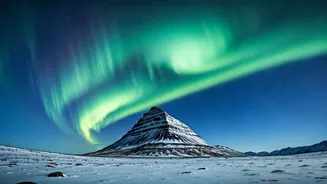
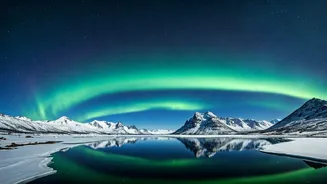
The increased solar activity during 2026 will lead to a greater frequency and intensity of auroras, commonly known as the Northern Lights. These mesmerizing displays occur when charged particles from the sun interact with the Earth's atmosphere, specifically with gases like oxygen and nitrogen. This interaction causes the gases to glow, creating the vibrant, dancing lights that are often visible in the night sky. The aurora's color depends on the type of gas involved and the altitude at which the interaction happens, resulting in a spectrum of greens, reds, blues, and purples. With the heightened solar activity, the auroras are projected to be more widespread and visible, even in areas further from the poles.
Satellite Signal Disruptions
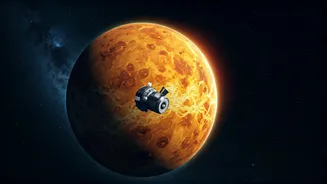
While the solar maximum promises breathtaking auroras, it also poses a risk to technological infrastructure. Increased solar activity can interfere with satellite signals, potentially disrupting communications, navigation systems, and even internet services. The impact of solar flares and CMEs on satellites is significant because the ejected particles can damage satellite electronics or interfere with their operation. Scientists and engineers monitor space weather conditions constantly, enabling them to anticipate and mitigate the effects of solar events. This preparation includes developing protective measures for satellites and adjusting operational procedures to maintain services as smoothly as possible during times of high solar activity.
Preparing For Storms
The prediction of a G2 geomagnetic storm watch in January highlights the need for preparedness. A G2 storm indicates a moderate level of geomagnetic activity, which can lead to auroral displays at lower latitudes. The NOAA (National Oceanic and Atmospheric Administration) issues these watches to provide advance warning. Such warnings assist satellite operators, power grid managers, and others in taking precautionary measures. Understanding and reacting promptly to space weather events is crucial for minimizing their potential impact on technology and infrastructure. Scientists use sophisticated models and constant monitoring to assess and predict the severity of solar storms, aiding in the development of effective mitigation strategies.
Post-Solar Maximum Surge
The period immediately following a solar maximum is expected to bring even more dynamic space weather conditions. This phenomenon stems from the sun's increased instability, leading to more frequent and powerful coronal mass ejections. These CMEs, combined with the Earth's continued interaction with the solar wind, will intensify the auroral displays. Scientists expect the post-solar maximum storms to be more potent than those observed during the solar maximum itself. This surge in activity emphasizes the importance of ongoing monitoring, as the effects can extend for an extended period after the peak, ensuring continuous readiness and the need for adaptive technology strategies.
A Visual Spectacle
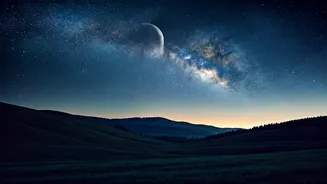
For those interested in astronomy, 2026 represents a unique opportunity to witness one of the most remarkable celestial events: the Northern Lights. The anticipated frequency and intensity of auroras offer skywatchers an exceptional chance to observe these dynamic light displays. As the solar activity increases, the auroras are projected to be visible across a wider range of latitudes. This expanded visibility will allow more people across the globe to experience the mesmerizing dance of colors in the night sky. To maximize the viewing experience, it is advised to seek locations away from light pollution. Clear, dark skies and an unobstructed view of the northern horizon are the best conditions for a memorable experience.