








AI Chip Demand Soars
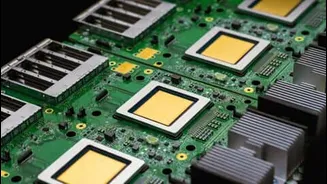
The burgeoning field of artificial intelligence relies heavily on powerful graphical processing units (GPUs) for training complex models and running advanced
computations. As AI applications proliferate across industries, the demand for these specialized chips has skyrocketed. This intense demand has put significant pressure on existing supply chains, leading to shortages and long lead times for companies reliant on these critical components. Manufacturers like Nvidia have been at the forefront of GPU production, but the sheer scale of global demand is pushing the limits of their production capacity. This bottleneck affects not only AI development but also other sectors that utilize GPUs, such as high-performance computing and scientific research. The race to develop more sophisticated AI models is inextricably linked to the availability of cutting-edge hardware, making chip production a strategic imperative.
SpaceX's Strategic Shift
In response to these market dynamics and a desire for greater control over its technological future, SpaceX is reportedly exploring the establishment of its own chip factory. This ambitious undertaking would involve the intricate process of high-end chip production, specifically targeting GPUs. Such a move signifies a significant departure from their core aerospace focus, demonstrating a forward-thinking approach to securing essential technological resources. By manufacturing their own GPUs, SpaceX aims to mitigate supply chain risks and ensure a consistent flow of the chips necessary for their rapidly expanding AI initiatives. This strategic pivot could position them as a major player not just in space exploration but also in the foundational technology that powers the modern digital world, potentially impacting the competitive landscape for chip manufacturers.
Challenges in Production
The endeavor of establishing a high-end chip factory is fraught with immense complexity and substantial financial investment. Manufacturing cutting-edge GPUs requires access to extremely sophisticated fabrication facilities, often referred to as 'fabs,' which are notoriously expensive to build and operate. These facilities demand highly specialized equipment, rigorous cleanroom environments, and a workforce with deep expertise in semiconductor engineering and manufacturing processes. Furthermore, the design and development of advanced GPU architectures are intricate and time-consuming, requiring significant research and development resources. Companies must also navigate intricate intellectual property landscapes and stringent quality control measures to ensure the reliability and performance of their chips. For SpaceX, this would represent a new frontier, demanding the acquisition of entirely new skill sets and operational capabilities beyond their current aerospace expertise.
Future Implications and Impact
Should SpaceX successfully establish its own GPU manufacturing capabilities, the implications for the broader technology industry could be profound. It might alleviate some of the supply constraints currently faced by AI developers and researchers, potentially accelerating innovation. This move could also introduce new competition into the GPU market, potentially driving down costs and spurring further technological advancements. However, it also raises questions about the long-term sustainability of such an ambitious venture and its impact on established players like Nvidia. The success of SpaceX's initiative would depend on their ability to overcome the considerable technical and financial hurdles inherent in chip fabrication, ultimately shaping the future of AI hardware accessibility.