






An Unlikely Scientist
In a truly astonishing turn of events, Sam Altman, CEO of OpenAI, shared a remarkable anecdote about an Australian man who, without any formal scientific
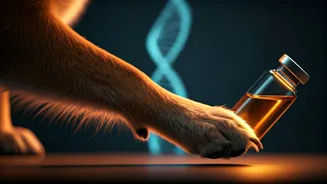
training, leveraged the power of ChatGPT to develop a custom cancer vaccine for his ailing dog. This individual, driven by a desire to save his beloved pet, utilized the AI tool to navigate the complexities of vaccine design, a task that would typically require extensive expertise and resources found within a full-fledged research institution. His journey from a concerned pet owner to an innovative vaccine designer underscores the democratizing potential of advanced AI technologies, offering a glimpse into a future where complex challenges can be tackled by individuals empowered with sophisticated digital tools. The narrative not only celebrates this groundbreaking achievement but also serves as a powerful testament to the growing capabilities of artificial intelligence in real-world applications, extending its reach into the realm of animal health and well-being.
From AI Prompt to Canine Cure
The story of the Australian man and his dog's cancer vaccine, as recounted by Sam Altman, illustrates a profound shift in problem-solving paradigms. This non-scientist was able to conceptually design a personalized mRNA vaccine, an intricate process involving the identification of specific genetic sequences and the understanding of complex biological mechanisms, all through interaction with ChatGPT. Altman emphasized that the man's engagement with the AI was comprehensive, encompassing the entire process from initial concept to detailed planning. He further elaborated that the man didn't merely stop at theoretical knowledge gained from the AI; he actively sought out and collaborated with academic researchers and professors to bring the vaccine into practical reality through laboratory execution. This collaborative effort, facilitated by AI-driven insights, purportedly led to the successful treatment of his dog, a remarkable outcome that suggests the potential for AI to significantly accelerate and broaden access to advanced medical solutions, even for beloved pets facing life-threatening diseases.
AI's Double-Edged Sword
While the tale of the dog's cancer vaccine offers a compelling vision of AI's positive impact, it simultaneously brings to the forefront critical concerns regarding potential misuse. The very accessibility of powerful AI tools that enable a layperson to design a vaccine also implies the possibility of malicious actors employing similar capabilities for harmful purposes, such as the creation of dangerous biological agents. Sam Altman acknowledged these profound ethical challenges, underscoring that safety and security remain paramount priorities for AI developers. He highlighted the ongoing efforts by organizations like OpenAI to embed robust safeguards within their systems. However, the inherent nature of rapidly advancing and widely available AI technology means that the potential for misuse can never be entirely eliminated. This reality necessitates a proactive approach to global preparedness, focusing on building what Altman termed 'AI resilience' – a world capable of not only preventing AI-driven catastrophes but also responding swiftly and effectively should they occur.