







Legumes and Soy Power
A comprehensive analysis of extensive research indicates a strong connection between increased consumption of legumes and soy-based foods and a diminished
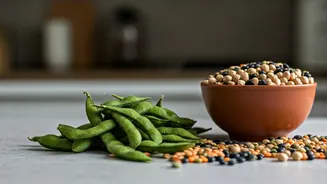
likelihood of developing hypertension. The most substantial protective effects were observed when these foods were consumed regularly at moderate daily quantities. Specifically, the research highlights that an intake of approximately 170 grams (about 6 ounces) of legumes per day, encompassing items like peas, lentils, chickpeas, and beans, alongside 60 to 80 grams (2.1 to 2.8 ounces) of soy products such as tofu, soy milk, edamame, tempeh, and miso, yielded the greatest reduction in hypertension risk. While previous studies hinted at the cardiovascular benefits of these foods, the evidence regarding their direct impact on blood pressure had been somewhat inconsistent. This latest meta-analysis aimed to clarify that relationship by reviewing a decade of published studies involving participants from diverse geographical regions, including the United States, various Asian countries, and European nations, thereby offering a broad perspective on their effects across different populations and dietary habits.
Quantifying Risk Reduction
Upon aggregating data from numerous observational studies, a clear trend emerged: individuals with the highest intake of legumes demonstrated a 16% lower risk of developing high blood pressure compared to those consuming the least. Similarly, those with high soy consumption experienced a 19% reduction in risk. The analysis further delved into the impact of consumption amounts, revealing a progressive decrease in risk with increased legume intake, reaching an impressive reduction of up to 30% at a daily intake of around 170 grams. For soy foods, the most significant protective benefits, around 28% to 29%, were achieved with daily consumption levels between 60 and 80 grams. Consuming more than this amount did not appear to offer substantial additional advantages, suggesting an optimal intake range for maximizing blood pressure-lowering effects from soy products.
Optimal Daily Portions
To translate these findings into practical dietary advice, researchers provided helpful equivalencies for daily intake. Approximately 100 grams (3.5 ounces) of legumes or soy foods equates to roughly one cup or about 5 to 6 tablespoons of cooked legumes such as beans, peas, lentils, or soybeans. For soy products, a palm-sized serving of tofu is also considered equivalent to this amount. Using established criteria for evaluating scientific evidence, the study authors concluded that there is a strong, likely causal link between the consumption of legumes and soy foods and a reduced risk of high blood pressure. This conclusion is supported by the consistent pattern observed across numerous studies and the dose-response relationship identified, providing robust evidence for their beneficial impact on cardiovascular health.
Underlying Biological Mechanisms
Several biological pathways likely contribute to the observed blood pressure-lowering effects of legumes and soy. These plant-based foods are naturally rich in essential nutrients like potassium and magnesium, both of which are well-known for their role in regulating blood pressure. Additionally, their high dietary fiber content plays a crucial part. Soluble fiber, in particular, can be fermented by gut bacteria to produce short-chain fatty acids, which have been shown to promote the relaxation of blood vessels, thereby easing blood flow and reducing pressure. Soy foods also contain isoflavones, a type of plant compound that may offer additional synergistic effects in lowering blood pressure, further enhancing the cardiovascular benefits of including these foods in one's diet.
Public Health Significance
Despite acknowledging certain limitations within the meta-analysis, such as variations in study designs, preparation methods, and participant demographics, the researchers emphasized the significant public health implications of their findings. They noted that current legume consumption in regions like Europe and the UK falls considerably below recommended levels, with average intakes as low as 8–15 grams per day, far from the 65 to 100 grams daily recommended for overall cardiovascular health. The study authors advocate for increased public emphasis on incorporating legumes and soy foods as primary protein sources within dietary guidelines. While further large-scale studies are encouraged for reinforcement, the current evidence strongly supports these plant-based foods as vital components for mitigating the escalating global burden of hypertension and promoting heart health.