
Solar Maximum Anticipation
In the upcoming year of 2026, experts are anticipating a heightened level of solar activity, specifically focusing on the solar maximum phase. This period
is characterized by an increase in sunspots, solar flares, and coronal mass ejections (CMEs), which are all indicators of enhanced activity. The surge in solar output is expected to bring with it a cascade of effects, most notably the intensification of the Northern Lights, also known as the aurora borealis. The increased frequency of solar events means more opportunities for these breathtaking displays to light up the night skies with their vibrant colors. These occurrences are anticipated to be more frequent and intense, providing ample chances to witness the mesmerizing natural light shows. This increased solar activity can also have significant impacts on technological systems, particularly those that rely on satellite communications. This period of heightened solar activity thus requires attention not only from stargazers, but also from engineers who must plan accordingly.
Aurora Borealis Spectacle
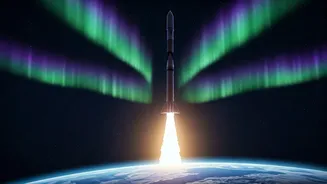
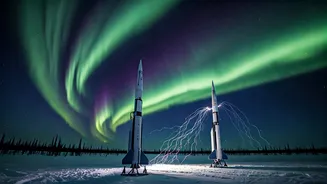
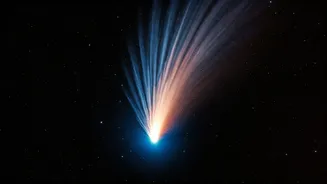
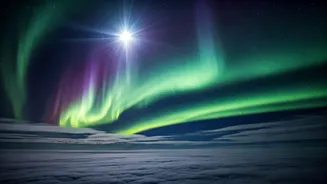
The surge in solar activity during 2026 is projected to lead to an exceptional display of the aurora borealis. These celestial light shows are triggered by solar particles interacting with the Earth’s atmosphere, resulting in the vibrant displays. The likelihood of witnessing auroras will substantially increase as the frequency of solar flares and CMEs escalates. Observers in northern latitudes should have more frequent opportunities to view the stunning light shows. The increased solar activity will energize the Earth's magnetic field, causing the atmospheric particles to glow, and creating the stunning visuals. This enhanced level of activity might extend the visibility of auroras further south than usual. This means that viewers in regions that typically do not experience these displays might also catch a glimpse. The spectacle is expected to be more dramatic, offering a rich and mesmerizing experience.
Geomagnetic Storm Impact
While the increased solar activity promises breathtaking auroral displays, it also carries potential risks in the form of geomagnetic storms. These storms, which are caused by the impact of solar particles on Earth's magnetosphere, can disrupt various technological systems. The primary concern is the potential interference with satellite communications, which is critical for global communications, navigation, and weather forecasting. The impact of a strong geomagnetic storm can also damage satellites and disrupt the electrical grid on Earth, leading to widespread power outages. Furthermore, the increased radiation from solar flares can pose a risk to astronauts and even affect aviation systems. It is thus crucial to monitor the solar activity to prepare for and mitigate the effects of geomagnetic storms. Experts in space weather will be tracking conditions, allowing for warnings and preparatory measures.
Understanding Solar Events
To fully appreciate the celestial events forecast for 2026, understanding the underlying science is beneficial. The sun's activity follows an approximately 11-year cycle. During the solar maximum, the sun's magnetic field is at its most active, leading to more frequent solar flares and CMEs. These events eject large amounts of charged particles that travel through space and interact with Earth's magnetic field. This interaction leads to geomagnetic storms and auroras. Scientists use various tools, including ground-based observatories and satellites, to monitor solar activity. They measure sunspots, track solar flares, and analyze the solar wind to predict and understand space weather. This knowledge is crucial for forecasting the impact of solar events on our technological systems and for preparing for potential disruptions. The more we understand the sun's behavior, the better we can appreciate the beauty and challenges of space weather.
Preparing for 2026
Preparing for the intensified solar activity in 2026 involves both appreciating the spectacle of the auroras and mitigating the risks associated with geomagnetic storms. For those eager to witness the Northern Lights, planning trips to high-latitude locations is advised. The increased activity may offer even more chances to witness the lights. Individuals can also follow space weather forecasts and aurora alerts to increase their chances of viewing these displays. Simultaneously, for technological infrastructure, it is essential to have robust systems to minimize the impact of geomagnetic disturbances. Satellite operators should monitor their systems and take precautions to protect against radiation damage. Electrical grid operators can implement measures to prevent widespread blackouts. International collaboration is critical to effectively respond to space weather events, sharing data and coordinating strategies to maintain the operation of critical infrastructures. With a combination of vigilance and preparation, 2026 promises to offer a unique experience of both natural beauty and technological challenges.