



What Are Pulses?
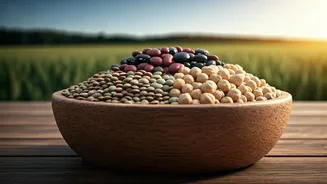
Pulses are the edible seeds harvested from leguminous plants, distinct from other legumes grown for oil or animal feed. Think of them as the nutrient-dense
jewels within pods – encompassing familiar items like lentils, chickpeas, various beans, and peas. They are celebrated for their exceptionally high protein and fiber content, coupled with a remarkably low fat profile. Beyond these macronutrients, pulses are also packed with essential micronutrients crucial for health, including iron, folate, potassium, and magnesium. This comprehensive nutritional package makes them a truly remarkable food source, offering a potent combination of benefits that contribute significantly to human well-being and dietary balance.
The 'Poor Man's Protein' Explained
Protein is fundamental for the body's structure and function, supporting muscle development, tissue repair, and numerous physiological processes. While animal products like meat, fish, and dairy are common protein sources, their cost and accessibility can be limiting for many individuals and communities worldwide. Pulses emerge as an exceptionally affordable and readily available alternative, providing a significant protein boost without the steep price tag. For instance, a modest 100-gram serving of lentils can deliver approximately 9 grams of protein, offering comparable nutritional value to some animal-based proteins but at a fraction of the expense. This remarkable cost-effectiveness is precisely why pulses have earned the esteemed moniker, 'the poor man's protein,' democratizing access to essential nutrients.
Pulses: Pillars of Food Security
Beyond their nutritional advantages, pulses play a pivotal role in fostering sustainable agricultural practices and enhancing global food security. These legumes possess a unique symbiotic relationship with soil bacteria, allowing them to naturally fix atmospheric nitrogen back into the earth. This process significantly reduces the reliance on synthetic nitrogen fertilizers, which are costly and can have negative environmental impacts, thereby promoting long-term soil health and fertility. Furthermore, pulses are remarkably water-efficient crops, requiring considerably less water compared to many other staple foods. This resilience makes them a 'climate-smart' choice, capable of contributing to feeding a burgeoning global population while minimizing the strain on precious natural resources. The Food and Agriculture Organization of the United Nations (FAO) highlights that pulses currently sustain over 3 billion people globally, underscoring their indispensable contribution to food security, particularly in developing nations.
Remarkable Health Advantages
The health benefits derived from incorporating pulses into one's diet are extensive and impactful. As a leading source of plant-based protein, they are indispensable for bodily repair and bolstering the immune system. Their regular consumption has been linked to improved cardiovascular health, notably by helping to lower levels of LDL ('bad') cholesterol and consequently reducing the risk of heart disease. For those managing their weight, the high fiber content in pulses promotes a prolonged feeling of fullness, which can curb overeating and support healthy weight management. Furthermore, their low glycemic index is beneficial for diabetes control, aiding in the natural regulation of blood sugar levels. The fiber also supports digestive wellness, promoting a healthy gut and preventing constipation. Additionally, pulses contain a wealth of antioxidants and phytochemicals that are believed to offer protective benefits against certain types of cancer.
Culinary Versatility of Pulses
Pulses offer a world of culinary possibilities, extending far beyond their traditional use in dishes like dal. Their adaptability allows them to be transformed into a wide array of delicious and nutritious meals. They can form the hearty base of comforting soups and stews, add substance and texture to vibrant salads, or be processed into healthy, satisfying snacks. Imagine rich and flavorful chana masala or rajma curry, offering a complete protein meal, or a simple yet profoundly comforting moong dal khichdi, perfect for a wholesome repast. Lentil soups provide a robust and immune-boosting option, ideal for cooler weather. Even simple roasted chickpeas can be a crunchy and guilt-free snack. This culinary flexibility means pulses can be a delightful and integral part of almost any meal plan, making it easier and more enjoyable to reap their benefits.
Fascinating Pulse Facts
Pulses boast a rich history, having been cultivated by humans for over 8,000 years, a testament to their enduring value. Globally, India stands out as both the largest producer and consumer of pulses, highlighting their central role in the country's culinary traditions and agriculture. Interestingly, embracing a diet rich in pulses can contribute to a reduction in global carbon emissions, marking them as a highly environmentally friendly food choice. World Pulses Day serves as a critical reminder of their profound global significance. From combating malnutrition and improving the livelihoods of farmers to championing environmental sustainability, pulses are a genuine superfood for both humanity and the planet. Investing in pulses is not merely a sound choice for personal health; it is a strategic and vital investment in the future of our global food systems.