






The Body's Response
When the consistent stimulus of exercise is removed, your body doesn't just pause its progress; it actively begins a process of recalibration. The physiological
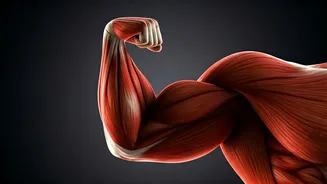
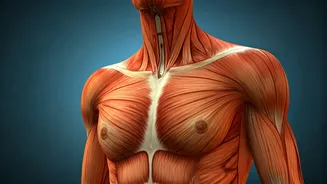
machinery that was once dedicated to enhancing muscle mass, boosting strength, and increasing endurance starts to shift its focus. Instead of building and maintaining, the body prioritizes energy conservation. This transition initiates a slow but discernible decline in muscular capabilities. This phenomenon, known as detraining, is a silent but measurable adjustment that begins even before you notice significant outward changes.
Detraining Unveiled
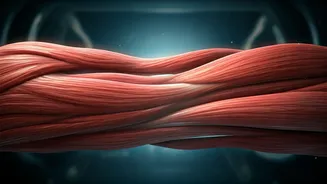
The concept of detraining highlights how our physical assets, much like any other resource, are maintained through demand. When the demand for strength, size, and endurance diminishes because training stops, the body interprets this as an opportunity to reduce energy expenditure. The biological pathways that previously worked to build and sustain muscle now redirect their efforts towards a more energy-efficient state. This means that the muscles, no longer challenged to perform at their peak, begin to gradually break down. This gradual regression affects not only the physical size of the muscles but also their functional capacity, leading to a noticeable reduction in overall strength and stamina over time.