







Pain's New Frontier
Traditional pain management often relies on opioids, which effectively alleviate pain but carry a high risk of addiction. This presents a serious dilemma:
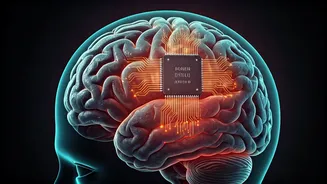
ease suffering while avoiding the creation of new problems. The field is actively seeking solutions that provide relief without the drawbacks of these addictive substances. The emergence of AI-driven methods offers a ray of hope. Scientists are now designing pain medicines which are brain circuit-specific. It offers a more targeted approach, focusing on the pain pathways without impacting other areas of the brain.
Targeted Gene Therapy
At the heart of this innovation lies gene therapy. This treatment method enables doctors to make specific modifications in the brain's pain pathways. Rather than affecting the entire brain, the technique homes in on the areas responsible for processing pain signals. This is achieved through the use of specifically designed agents that can identify and interact with pain-related circuits. Gene therapy allows for highly precise interventions, reducing the chance of widespread impacts and the related side effects. As a result, the body's natural pain-relieving mechanisms are enhanced with much-reduced chances of addiction.
The AI Advantage
Artificial intelligence plays a crucial role in developing this new pain management strategy. AI algorithms analyze extensive datasets to identify the specific brain circuits involved in pain perception. These algorithms help to create a comprehensive understanding of the pain pathways, enabling scientists to design treatments that effectively target these areas. Through AI, researchers can quickly experiment and refine different methods. The technology assists in streamlining the process of drug development. This advanced technology facilitates the creation of a blueprint, which can be tailored to the individual patient's needs and pain type, resulting in more effective treatment plans.
Beyond Opioids
This AI-driven, gene-therapy method holds immense potential to reduce reliance on opioids. Opioids offer powerful pain relief but often bring about addiction, tolerance, and other serious health problems. The new approach prioritizes treating pain at its source while minimizing these risks. It aims at providing pain management that is both highly effective and far safer than what's currently available. This will ease the burden on healthcare systems and improve the overall quality of life for those suffering from chronic or acute pain. The aim is to make pain management a more responsible and patient-friendly experience.
Future Implications
The development of brain circuit-specific pain medicine marks a significant turning point in medical science. The results of the research point to a more specialized method of pain treatment, with reduced risk of addiction and other side effects. This new approach not only addresses pain more effectively but also opens doors to future applications in treating a wide range of neurological disorders. As research continues, the technology will become more accessible and personalized, enabling the development of treatments that can be tailored to individual needs. This development gives people hope for a future where pain management is both effective and responsible.