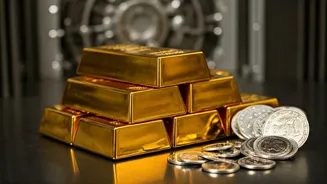

Gold Price Overview
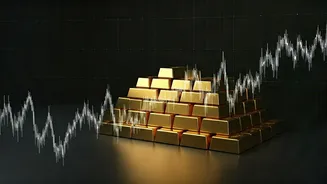
The gold market, much like a dynamic ecosystem, responds to multiple influences. Predicting prices requires careful examination of these factors. Globally,
gold and silver prices are shaped by various elements, including inflation rates, currency valuations, and geopolitical stability. In India, local demand, import duties, and seasonal trends also affect prices. This article assesses the complex interplay of these elements to provide an outlook on gold and silver prices. The gold market's inherent volatility means understanding these diverse factors is essential for any investor. It is also important to consider the role of central banks and their monetary policies, which can significantly alter market sentiments. Furthermore, the global economic landscape often adds another layer of complexity, demanding a thorough understanding of the interconnections affecting precious metal prices.
Expert Price Outlook
Expert opinions are very useful in gaining insights into the gold and silver markets. Financial analysts and market experts offer predictions based on in-depth analyses. These insights, however, are not guarantees and often reflect a range of possibilities, considering a variety of market indicators. Investors are encouraged to seek multiple perspectives and to consider the expertise of varied analysts. Understanding these expert perspectives allows investors to gauge potential risks and opportunities. A review of these viewpoints reveals a nuanced perspective, including expectations for both short-term and long-term trends. Their analyses are usually influenced by macroeconomic factors and sector-specific indicators. Keeping an eye on the experts helps in making more informed decisions, offering a deeper understanding of market dynamics.
Market Trend Analysis
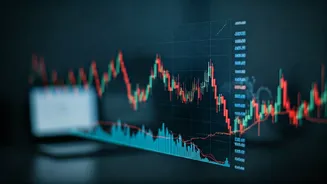
Gold market trends indicate a dynamic interplay of supply, demand, and economic sentiments. Examining recent movements provides a snapshot of current market behaviors. These trends are greatly affected by both global economic indicators and local Indian market dynamics. Analyzing these trends helps in understanding investor behavior and overall market sentiment. This includes assessing the influence of festive seasons on gold sales. Furthermore, the role of digital gold platforms and their impact on market dynamics is also a factor. Recognizing these patterns enables investors to anticipate possible price movements and adapt their investment strategies. It's also important to consider the effect of interest rate changes and currency fluctuations on the pricing of gold and silver in the market.
Impact of Inflation
Inflation plays a pivotal role in shaping gold and silver prices. Historically, gold is considered a hedge against inflation. Therefore, increases in inflation can increase the demand for gold, and this often leads to price increases. Investors often turn to gold to protect their purchasing power during periods of rising inflation. However, the correlation is not always straightforward, and other factors, such as economic growth and central bank policies, also affect the prices. Careful analysis of inflation rates and their impact on market sentiment is essential for understanding the pricing of precious metals. The role of government policies and their impact on inflation expectations adds another layer of complexity. Therefore, understanding the interplay between inflation and gold prices is crucial for making informed investment decisions.
Currency Fluctuations
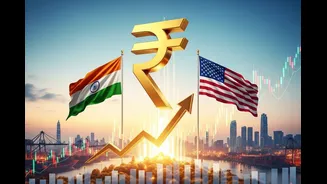
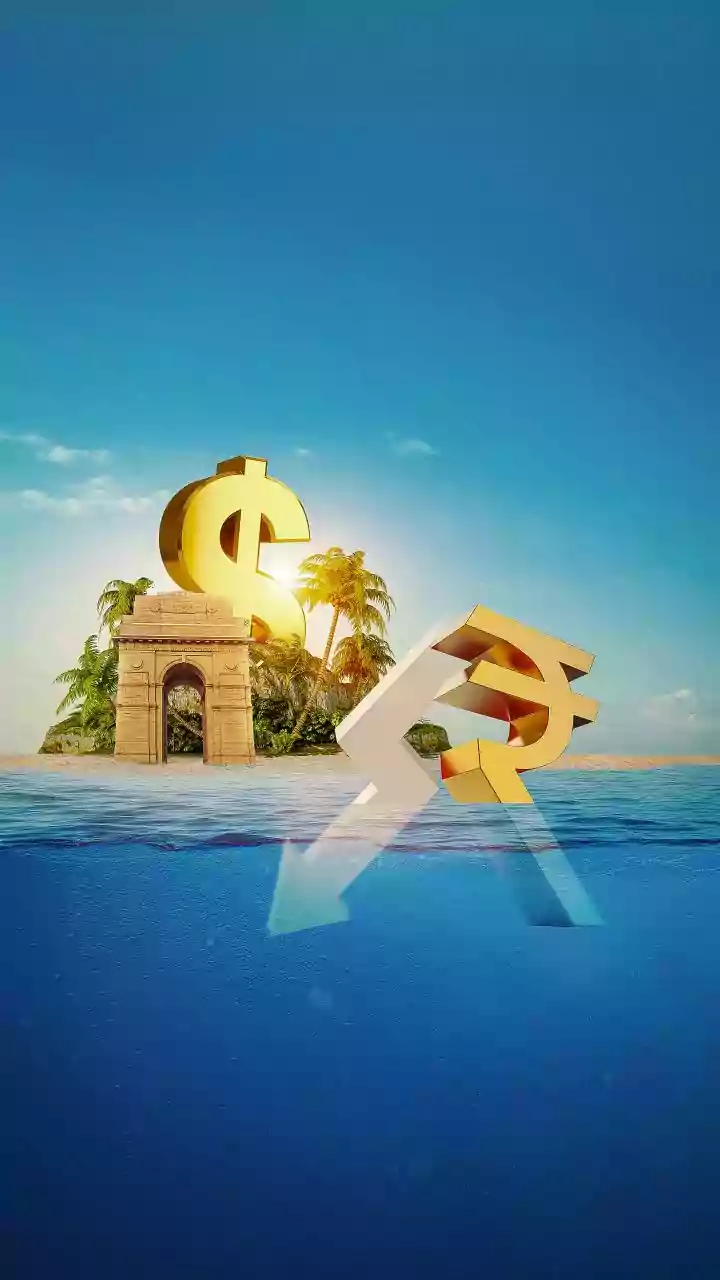
Currency movements significantly impact gold and silver prices, especially within the context of the Indian market. The value of the Indian Rupee (INR) against the US Dollar (USD) has a significant influence on gold and silver prices. When the rupee depreciates against the dollar, the cost of imported gold rises. As a result, the price of gold increases in the domestic market. Currency fluctuations not only influence gold's import price but also affect investor sentiment. Stronger currencies can make gold more expensive for domestic buyers. Therefore, investors must always consider currency trends and their impact on precious metal prices. Tracking these movements is crucial for making informed decisions. Currency exchange rates often mirror shifts in global economic health and monetary policy, adding to the complexity of market analysis.
Geopolitical Influence
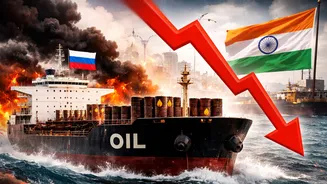
Geopolitical events can significantly influence the gold market. Global political uncertainty and international conflicts often increase the demand for gold. Investors perceive gold as a safe-haven asset during times of instability, which drives up prices. News regarding international relations, trade tensions, and political unrest all contribute to shifts in the gold market. Understanding these events is crucial for predicting price fluctuations. Monitoring major political occurrences and their effects on market sentiment enables investors to anticipate market shifts. The impact of geopolitical events extends beyond immediate price movements. They can affect long-term investor confidence and shape the overall investment climate. Therefore, staying informed about global affairs is essential for any investor in precious metals.
Investment Strategies
Effective investment strategies require a clear understanding of market dynamics. Various approaches can be used, ranging from short-term trading to long-term investment. Diversification is often recommended to reduce risk and maximize returns. Consider a portfolio that includes physical gold, gold ETFs, and gold mining stocks. Investment choices should be aligned with your financial goals, risk tolerance, and investment horizon. It is important to continuously monitor market trends. Make use of expert advice and stay informed about economic indicators. Successful investors adapt their strategies to changing market conditions. Consider the costs of buying and selling gold, including brokerage fees. Rebalancing a portfolio regularly is a practical strategy to maintain asset allocation in accordance with your financial plan.
Silver Price Dynamics
Silver, much like gold, is influenced by many factors that make up the global financial environment. It is subject to trends, but its pricing is also impacted by industrial demand. Silver is a key component in a range of industries, especially in electronics and solar panel manufacturing. The market for silver is also impacted by investor sentiment. While it may sometimes mirror the patterns of gold, silver is known for its greater volatility. A careful assessment of both industrial demand and investor behavior is crucial for forecasting silver price movements. Moreover, the supply dynamics play a vital role. Assessing the effects of global production, mining trends, and recycling rates will contribute to a more comprehensive understanding of the market. Consider how silver responds to changes in inflation, currency values, and geopolitical events.
Near-term Outlook
Predicting near-term trends involves assessing various indicators. This includes economic reports, inflation data, and market sentiment. Short-term movements are often unpredictable, so investors should consider both potential risks and opportunities. Keep an eye on global economic indicators, and evaluate potential catalysts that could cause significant price changes. For example, changes in interest rates or shifts in the value of the Indian rupee. Continuous monitoring is essential for making timely decisions. Always take into consideration expert analyses and current market trends. It is important to stay updated on the latest financial news and understand how it could affect the markets. Prudent investors continuously review their strategies to align with the current circumstances.
Long-Term Investment Outlook
Long-term investing in gold and silver necessitates a different approach. Focus on the underlying fundamentals rather than short-term price fluctuations. Consider the role of precious metals as a hedge against inflation and a store of value. Evaluate the long-term trends and factors that could influence prices. This requires a deeper understanding of economic cycles and geopolitical events. Evaluate your goals, risk tolerance, and time horizon. Diversify your portfolio to reduce risk. Long-term investment usually involves minimal trading. Therefore, investors should remain consistent with their strategy. Remain informed and adjust accordingly based on evolving market conditions and economic outlooks. Be prepared to wait and let your investments grow over the long term. Patience is often a virtue in the gold and silver markets.