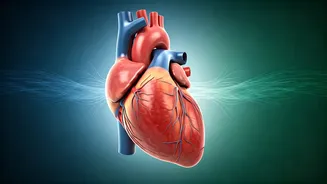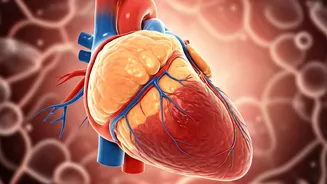





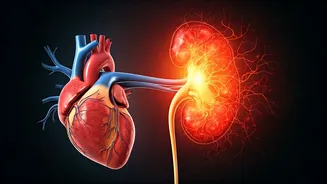


Fats and the Heart
The conventional understanding of fats has often cast them in a negative light, particularly regarding heart health. For a long time, the advice was to
reduce fat intake overall. However, current research is revealing a more nuanced story: not all fats are created equal. Some fats, far from being detrimental, may actually contribute positively to cardiovascular well-being. This shift in perspective necessitates a deeper look at the different types of fats and their individual impacts on the human body. Understanding this distinction is key to making informed dietary choices that support a healthy heart. It highlights the importance of moving beyond generic advice and adopting a more personalized and scientifically informed approach to nutrition. Recognizing this, healthcare experts are now delving into the role of specific fats, which could revolutionize how we perceive and manage heart health.
Human to Mouse
Research often commences with animal models to explore potential health benefits. In this context, studies on mice play a crucial role. Researchers use mice to observe how a specific type of fat impacts their cardiovascular health. These studies allow for controlled experiments, providing crucial data. The goal is to determine the effect of this fat on key health markers. Researchers analyze blood cholesterol levels, artery health, and overall cardiac function. Mice with diets that include the fat might demonstrate notable improvements compared to those without it. These findings help to build a foundation for further investigation. Animal trials serve as the initial step in the research process, creating the data that drives the transition to human studies. These tests are essential for establishing the safety and initial efficacy of the fat.
From Mouse to Human
Following successful animal trials, research progresses to human trials. This step is pivotal, as it determines whether the positive effects observed in animals extend to people. In human trials, scientists and medical experts monitor volunteers who consume diets containing the specified fat. Researchers meticulously analyze changes in health parameters. They observe cholesterol levels, arterial health, and indicators of heart health over time. The results from human studies provide critical evidence. They assess whether the fat influences human heart health in a similar manner. These trials are more complex. Researchers must account for individual differences in lifestyle, genetics, and diet. Success in human trials is essential for paving the way for further research. They validate the potential benefits of the fat in promoting heart health and well-being. This information informs further medical recommendations.