








The AI Demand Surge
The current surge in smartphone pricing isn't merely a product of new flagship releases; even older models are experiencing cost escalations. This phenomenon
is directly attributable to the escalating demand for artificial intelligence hardware. Tech giants are aggressively pushing AI integration across devices, and the crucial components needed to power these advanced AI functions are in exceptionally high demand. This has forced manufacturers to reassess their production strategies and component sourcing, leading to a ripple effect that impacts the final cost consumers pay for their mobile devices. The focus on embedding AI capabilities has, unfortunately, overshadowed the need for robust hardware infrastructure, creating a bottleneck that manufacturers are now navigating.
Component Price Inflation
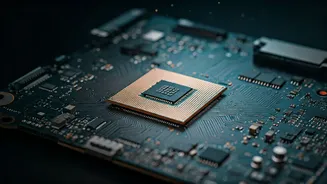
The core of the smartphone price hike lies in the dramatic increase in the cost of memory chips. Manufacturers are prioritizing the production of components that command higher prices, sometimes to the extent of considering shifts away from consumer-grade parts. Specifically, the prices of memory drives have seen an astonishing rise, with some experiencing a 300 percent inflation. This significant upswing in component costs directly translates to higher manufacturing expenses for smartphone brands. For instance, a phone that previously featured 16GB of RAM for a certain price might now see that same RAM configuration costing an additional Rs 15,000, forcing brands to either reduce RAM capacity to maintain a price point or pass the entire cost increase onto the consumer.
Budget Segment Squeeze
The rising costs are having a particularly devastating effect on the budget smartphone segment, pushing it towards a potential extinction. Historically, consumers could expect to find reliable Android phones with decent hardware for around Rs 10,000 to Rs 12,000. However, recent launches suggest that the value proposition in this segment has significantly diminished, with prices inching upwards. This price increase isn't confined to one region; brands in China are also confirming similar price hikes across their model lineups and market segments. This indicates a global trend where the cost-effectiveness of budget devices is being severely compromised due to the overarching influence of AI component demands.
Rethinking Phone Budgets
Consumers will need to recalibrate their expectations and potentially increase their budgets for future phone or even laptop purchases. The previously recommended strategy of opting for older, discounted models is no longer a reliable cost-saving measure, as even these devices are becoming more expensive. Faced with this evolving market, individuals have two primary choices: either extend the lifespan of their current devices for as long as possible or prepare for a significant financial outlay on their next purchase. The era of getting a feature-rich smartphone at a budget-friendly price point is rapidly becoming a relic of the past, largely due to the unavoidable costs associated with powering advanced AI features.