






The Gut-Brain Highway
Many patients seeking help for digestive discomfort, such as irritable bowel syndrome, also report experiencing mental haziness and persistent fatigue.
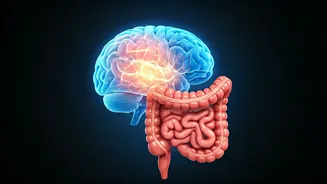
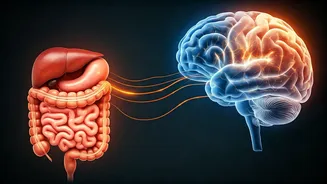
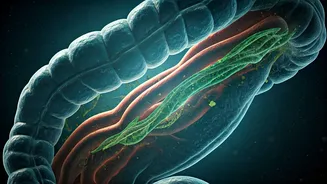
Experts describe this as a 'mental haze,' where physical symptoms like constipation and bloating are accompanied by a feeling of being mentally sluggish. This phenomenon is rooted in the complex communication network known as the gut-brain axis. This axis involves thousands of nerve fibers, primarily the vagus nerve, that form a continuous link between the brain and the abdomen. This nerve pathway is crucial for regulating mood, motivation, and overall nervous system calmness by facilitating the production of neurotransmitters like serotonin and dopamine by gut bacteria. The constant bidirectional signaling ensures that various bodily systems remain in equilibrium, highlighting the profound impact of our gut on our overall well-being, including our mental state.
Digestive Woes and Brain Fog
The occurrence of brain fog, characterized by a lack of mental clarity and a feeling of being mentally weighed down, is often linked to disruptions in the gut-brain axis. This can manifest as 'bad connections' between the digestive tract and the brain. Several factors contributing to digestive problems can also trigger brain fog, including inadequate nutrition, hormonal shifts like those during menopause, heightened anxiety, and infections. Additionally, dysfunction within the autonomic nervous system, which controls essential bodily functions such as heart rate and blood pressure, can simultaneously lead to both gastrointestinal issues and cognitive fogginess. For individuals with conditions like irritable bowel syndrome (IBS) or gastroparesis (a condition where the stomach empties food slowly), the nerves in the gut may become hypersensitive, sending amplified distress signals to the brain, which can manifest as persistent brain fog.
Microbiome's Crucial Role
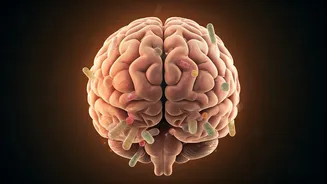
The gut microbiome, a bustling community of trillions of bacteria, viruses, and fungi residing in our intestines, plays a pivotal role in maintaining our health. A diverse and balanced microbiome is instrumental in defending against diseases, reducing inflammation, and producing essential neurotransmitters that significantly influence our mood and cognitive functions. Signals originating from these gut microbes can directly impact key brain regions associated with mental clarity and emotional regulation. These include the hippocampus, vital for learning and memory; the prefrontal cortex, which governs decision-making and focused thought; and the amygdala, the brain's center for processing fear and anxiety. An imbalance in this microbial ecosystem, often triggered by poor diet, stress, lack of sleep, certain medications, or chronic inflammation, can have far-reaching consequences on mental acuity.
Restoring Gut Health for Clarity
While a direct method to eliminate brain fog solely through gut intervention remains elusive, cultivating a healthier gut environment is a promising avenue for enhancing mental clarity. Prioritizing a diet rich in fiber, found in vegetables, beans, nuts, and whole grains, provides essential nourishment for beneficial gut microbes. Incorporating fermented foods such as yogurt, kefir, sauerkraut, and kimchi can further support a thriving microbiome. Beyond diet, lifestyle adjustments like ensuring adequate sleep, engaging in moderate exercise, and practicing a 'gentle diet cleanup' by limiting caffeine, alcohol, and ultra-processed foods are recommended. Adopting a healthy, predominantly plant-based diet is likely to yield sustained benefits for both gut health and cognitive function, proving more effective than temporary dietary fads.