
Solar Maximum Explained
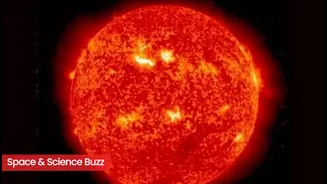
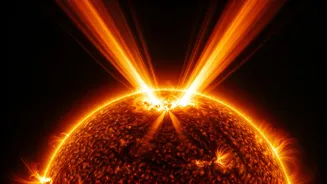
The sun's activity ebbs and flows in an approximately 11-year cycle, reaching a peak known as the solar maximum. During this phase, the sun experiences
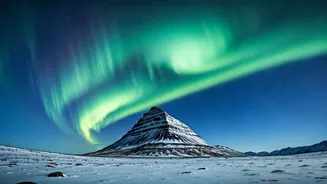
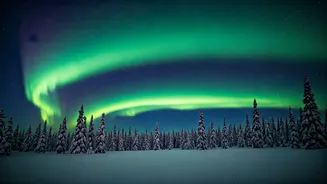
an increase in sunspots, solar flares, and coronal mass ejections. These events release massive amounts of energy and charged particles into space. When these particles interact with the Earth's magnetic field, they create geomagnetic storms. These storms, in turn, are responsible for the dazzling auroras we see at high latitudes. The year 2026 is expected to be near the peak of this solar cycle, making it an ideal time for aurora viewing. This heightened activity suggests a greater likelihood of witnessing intense and widespread auroral displays, potentially even visible at lower latitudes than usual. Understanding the solar cycle is key to predicting when and where these spectacular light shows might appear.
G2 Storms: A Warning
While solar storms bring stunning auroras, they also pose potential risks. The National Oceanic and Atmospheric Administration (NOAA) issues geomagnetic storm watches to alert people about potential disruptions. The article mentions G2 geomagnetic storms, which are a moderate level of intensity. Such storms can impact satellite operations, potentially disrupting radio communications and GPS signals. Electrical grids might also experience fluctuations. However, the impact is generally manageable. The potential beauty of the aurora often overshadows these risks, but it is important to be aware of the dual nature of solar activity. Technological advancements have improved forecasting capabilities, allowing for better preparation and mitigation of potential disruptions caused by solar storms. Monitoring the sun and space weather is essential for both enjoying the auroras and safeguarding critical infrastructure.
Viewing Opportunities Abound
With a high probability of increased solar activity, 2026 is poised to be an excellent year for aurora chasers. The Northern Lights, also known as the aurora borealis, are usually most visible in the northern polar regions. However, during periods of heightened solar activity, auroras can be seen at lower latitudes. This means people in areas like Canada, Alaska, and even parts of the northern United States may have exceptional viewing opportunities. Even in regions further south, there's a possibility of glimpsing the aurora under the right conditions. The key is to find a location with minimal light pollution and a clear view of the northern horizon. Checking aurora forecasts and alerts from sources like NOAA can also maximize your chances of seeing the light show. The increased frequency and intensity of the auroras predicted for 2026 make it a highly anticipated year for skywatchers worldwide, promising more frequent and spectacular displays.
Why Post-Maximum Surge?
The article highlights that even after the solar maximum itself, solar storms can continue with intensity. This means that even beyond the peak of the 11-year cycle, the conditions for aurora displays could remain favorable. The complexity of the sun's behavior suggests that heightened solar activity might extend beyond the expected peak year. Solar events such as coronal mass ejections may become more frequent, even as the overall solar cycle begins to wane. This means the years immediately following 2026 could also offer prime aurora viewing opportunities. Monitoring the continued solar activity will be important to understand these post-maximum dynamics and provide more accurate predictions for aurora viewing opportunities in the years to come. This extended period of potential auroras provides more opportunities for enthusiasts and skywatchers to witness nature's light show.