



Lunar Ambitions Halted
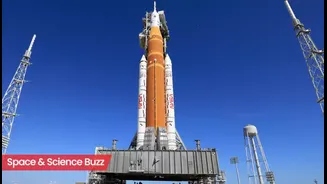
NASA's ambitious journey to the Moon has encountered an unexpected hurdle, leading to a significant delay for the Artemis II mission. The colossal 322-foot
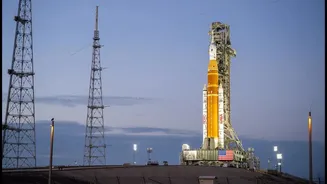
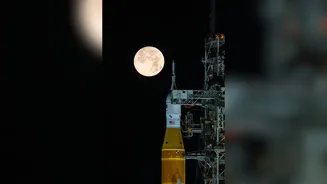
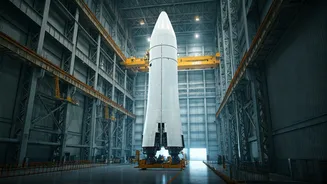
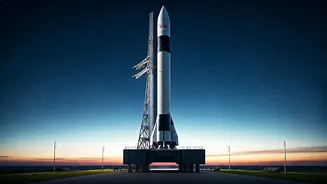
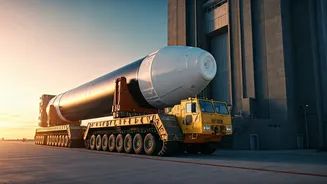
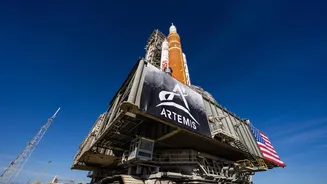
Space Launch System (SLS) rocket, along with the Orion spacecraft, is currently en route back to the Vehicle Assembly Building at Kennedy Space Center. This carefully orchestrated, slow-motion rollback commenced around 9:28 am EST and is an approximately 12-hour operation spanning a distance of roughly 4 miles. The reason for this unprecedented move is the identification of a new technical issue within the rocket's helium pressurization system. This malfunction necessitates a more thorough inspection and subsequent repair work by NASA engineers, pushing back the mission's timeline considerably. The agency confirmed the rollback via an X post, assuring that the process would be streamed live, offering the public an extensive view of the operation and recovery efforts. This latest setback follows a previous delay last month, which was attributed to hydrogen fuel leaks discovered during earlier testing phases. Consequently, the intended March launch window is now definitively out of reach for the Artemis II crew.
Helium System Glitch
The core of the recent delay stems from a critical malfunction identified in the rocket's helium pressurization system. This system plays a vital role in maintaining the necessary pressure within the rocket's fuel tanks, ensuring stable and efficient engine operation during launch and ascent. When engineers detected an issue with the flow of helium, it triggered immediate concern and a decision to conduct a comprehensive diagnostic within the controlled environment of the Vehicle Assembly Building. While the exact nature of the malfunction is still under detailed investigation, the need for such extensive repairs underscores the complexity of the SLS rocket. This problem is distinct from the previously reported hydrogen fuel leaks, indicating a multifaceted challenge in preparing the spacecraft for its historic flight. The commitment to safety and mission success means that any anomalies, regardless of their origin, must be fully understood and rectified before the astronauts embark on their lunar voyage.
Mission Significance and Astronauts
The Artemis II mission holds profound significance as it marks the very first crewed flight of NASA's Artemis program. Its primary objective is to send four astronauts on a trajectory around the Moon, serving as a crucial stepping stone for humanity's eventual return to the lunar surface and, in the longer term, for journeys to Mars. This mission represents a pivotal moment in space exploration, rekindling the era of human lunar missions. The astronauts selected for this groundbreaking voyage were recently present in Washington, D.C., attending President Trump’s State of the Union address as special guests. This appearance was possible due to the mission's delay, which meant they no longer needed to adhere to the strict quarantine protocols typically required in the lead-up to flight preparations. Their participation in such a high-profile event underscores the national importance and public interest surrounding the Artemis program and its ambitious goals for exploring the cosmos.