





Guano: A Hidden Treasure
A recent report focusing on India's diverse flying mammal population has put forth a compelling recommendation: conduct thorough, systematic studies to
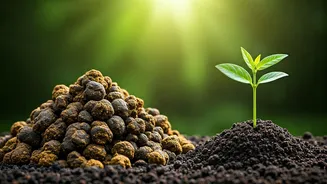
precisely measure the nutritional content of bat guano, also known as bat droppings. The goal is to establish a clear benchmark of its value as a bio-fertilizer, directly comparing it against the effectiveness and composition of existing organic soil enhancers. This call for quantification stems from the significant untapped potential that bat excrement holds for enriching agricultural soils, offering a natural alternative to synthetic nutrient sources. The report implicitly suggests that by understanding its precise nutrient levels, India could unlock a sustainable and valuable resource for its vast agricultural sector, potentially boosting crop yields and soil health through a readily available byproduct of its bat populations.
International Adoption Insights
While Indian farmers have yet to fully embrace bat guano as a viable substitute for conventional chemical fertilizers, agricultural communities in several other nations have already recognized and capitalized on its benefits. Countries like Cuba, Indonesia, Jamaica, Mexico, and Thailand actively harvest and market bat guano, a testament to its established value in their farming practices. This widespread international acceptance is largely attributed to the guano's naturally high concentrations of essential plant nutrients – specifically nitrogen, phosphate, and potassium. These elements are crucial for robust plant development, acting as the fundamental building blocks for healthy growth. The success stories from these countries offer a compelling precedent, suggesting that with proper understanding and application, bat guano can indeed be a potent and effective agricultural input.
Dual Study Necessity
Alongside the imperative to quantify bat guano's nutritional advantages for crop enrichment, the aforementioned report also strongly advocates for a parallel investigation into the potential risks associated with its prolonged utilization. This crucial recommendation highlights the need for simultaneous studies that assess the likelihood of exposure to zoonotic pathogens, which are diseases that can transmit from animals to humans. Understanding these health implications is as vital as recognizing the agricultural benefits. By examining the potential for pathogen transmission through long-term use of guano, researchers can help establish safety protocols and guidelines, ensuring that the adoption of this natural fertilizer does not inadvertently compromise the health of farmers, agricultural workers, or consumers. This balanced approach is essential for responsibly integrating guano into agricultural practices.