







The Bottleneck Emerges
The unprecedented demand for advanced computing power, essential for training and running sophisticated AI models, is now encountering a critical limitation:
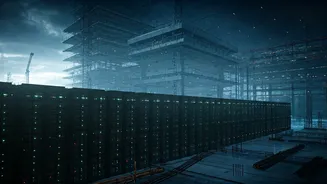
a shortage of adequately prepared data centers. Numerous large-scale data center initiatives across the United States are falling behind their projected completion timelines. This means that the infrastructure crucial for scaling AI capabilities is not being delivered as quickly as anticipated, creating a significant bottleneck for the entire industry. This situation is not only hindering the expansion plans of numerous companies reliant on these facilities but is also jeopardizing the financial returns on the colossal investments already made by AI developers and tech giants. The dream of widespread AI adoption is now facing the stark reality of physical infrastructure limitations, forcing a reevaluation of growth projections and strategic timelines.
Reasons for Delays
Several interwoven factors are contributing to the slowdown in data center construction. A primary concern is the scarcity of skilled labor; specialized tradespeople such as electricians and pipefitters are in short supply, significantly impeding progress on these complex projects. Furthermore, the sheer scale of energy required by these facilities presents a substantial challenge. Some new data centers are designed to consume electricity comparable to the output of a nuclear power plant, putting immense strain on existing power grids. Shortages of essential equipment, including vital components like gas turbines and transformers, further exacerbate these energy-related issues. Beyond power, the immense physical footprint required for servers, cooling systems, and networking gear necessitates vast tracts of land, often in remote locations to manage costs. However, building in these areas drives up labor expenses by as much as 30 percent. The competitive landscape is also a factor, with multiple large-scale projects concentrated in specific regions, leading to intense competition for workers who can move between sites for better compensation, thus fragmenting the available workforce.
Financial Hurdles Surface
Securing funding for these colossal data center undertakings is proving increasingly difficult, adding another layer of complexity to the unfolding situation. Recent shifts in the financial sector have seen several U.S. banks withdraw their commitments to finance projects linked to specific entities, partly influenced by substantial outstanding financial obligations. For instance, significant multi-year commitments from AI companies, amounting to trillions of dollars, are creating ripples through the financial markets. As one industry executive pointed out, financing projects at this magnitude is an inherently challenging endeavor. This financial strain, coupled with the construction and logistical obstacles, paints a grim picture for the swift expansion of data center capacity. The ability to secure adequate financing is paramount, and any disruption in this area can have cascading effects on project timelines and the overall health of the AI infrastructure ecosystem.
Geopolitical Ripples
The broader geopolitical climate is also casting a shadow over data center investments, particularly in regions like the Middle East. Ongoing conflicts and heightened tensions have placed new data center projects in a state of uncertainty, further complicating the landscape for AI companies. Specific regions have seen pronouncements designating major technology firms as potential targets, raising concerns about the security of physical infrastructure. These threats, whether direct or indirect, can deter investment and impact the planning and execution of critical data center developments. While some companies that build and operate data centers for clients express confidence in meeting their deadlines, the overarching global instability and regional conflicts introduce a layer of risk that cannot be ignored. This adds an unpredictable dimension to an industry already grappling with substantial technical and financial challenges, underscoring the interconnectedness of global affairs and technological progress.