





Upright & Productive Growers
For those who appreciate low-maintenance beauty and a practical harvest, the Seckel pear is an excellent starting point. This variety naturally forms a dense,
upright canopy, effectively creating a living barrier that reaches between 15 to 20 feet in height. In the spring, it erupts in a stunning display of white blossoms, which then mature into sweet, palatable fruit by autumn. Its adaptable nature means it thrives in a wide array of backyard settings across America, contributing significantly to both privacy and natural charm. Complementing the Seckel pear is the Montmorency cherry. Recognizable from farmers' markets, these trees develop a full, rounded canopy that offers a soft, inviting enclosure without making a yard feel cramped. Beyond their privacy benefits, Montmorency cherries also attract birds, adding a lively natural element to your garden. Both trees exemplify how functional elements can be aesthetically pleasing, providing a natural alternative to conventional fencing.
Natural Boundary Builders
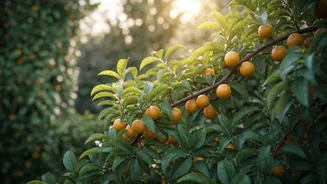
When you envision a living boundary, the American plum tree stands out as a natural choice for landscape designers. This variety has an inherent ability to spread, naturally establishing a layered, organic edge to your outdoor space. Its spring blooms are a delicate white, attracting vital pollinators like bees. The fruit produced is small and tart, perfect for making jams and jellies, and also serves as a valuable food source for local wildlife. For a more structured, yet equally beautiful effect, consider a collection of Smokehouse apple trees. Arranging these trees in a row creates a classic orchard ambiance, a look that has gained significant traction for its aspirational aesthetic on social media platforms. As they grow, their broad canopies intermingle, effectively defining an outdoor 'room.' Unlike a solid fence, this living wall offers spring blossoms, supports pollinator activity, and rewards you with ripe fruit throughout the summer.
Mediterranean Courtyard Feel
The pineapple guava, also known as feijoa, offers a unique aesthetic, particularly for those drawn to a West Coast vibe. This evergreen species provides year-round cover, a significant advantage in regions experiencing bare deciduous trees during colder months. Its silvery-green foliage contributes an effortlessly cool and sophisticated look to any garden. Beyond its visual appeal, the pineapple guava boasts edible flowers and produces fruit with a distinct tropical aroma, evoking the feeling of a Mediterranean courtyard. For an even more dramatic transformation, fig trees are an exceptional choice. Their expansive canopies and large, striking leaves have the power to turn any corner of your garden into a secluded, cozy sanctuary. A 2018 study highlighted that edible green spaces, encompassing fruit trees and food-producing gardens, deliver compounding benefits that extend beyond mere aesthetics, including food production, enhanced biodiversity, climate regulation, and psychological restoration, all within a compact area.
The Unexpected Vine
While not technically a tree, the passionfruit vine deserves a prominent place on this list for its exceptional privacy-screening capabilities. This vigorous climber can be artfully trained along fences, pergolas, or trellises, creating one of the most visually striking and highly productive privacy screens imaginable. A single mature passionfruit vine can yield an impressive harvest, producing a full bucket of fruit within a single season. It serves as a fascinating conversation starter, a readily available snack, and a significant contributor to the aesthetic appeal of your outdoor living areas. This unique option demonstrates that creative planting can achieve substantial privacy while offering tangible rewards and enhancing the visual interest of your garden. It’s a testament to how diverse plant choices can fulfill multiple roles in landscape design.