




Tech Leap to Lunar Surface
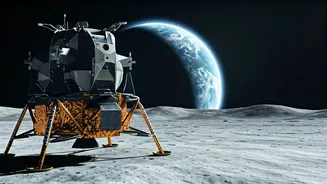
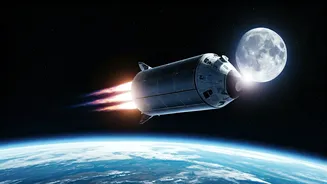
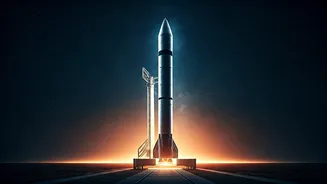
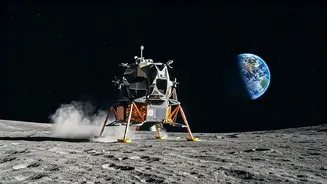
The journey to the Moon has undergone a profound technological transformation, epitomized by the shift from the 1972 Apollo 17 mission to the upcoming
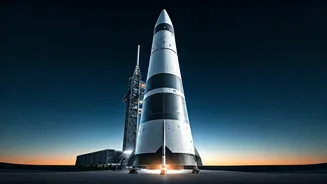
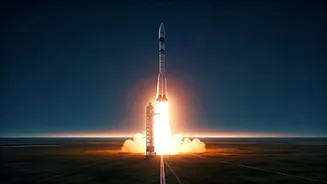
Artemis II flight. Gone are the days of the Saturn V rocket; Artemis II harnesses the colossal power of the Space Launch System (SLS), a rocket boasting 15% more thrust than its predecessors to propel a larger spacecraft. The living quarters have also seen a dramatic upgrade. The Orion capsule offers 60% more space compared to the cramped Apollo Command Module, complete with modern amenities like a functional toilet, a luxury absent in earlier missions. The true marvel, however, lies in the onboard intelligence. The Apollo Guidance Computer, groundbreaking for its era, possessed less memory than a modern digital watch. In stark contrast, the Orion spacecraft features a sophisticated "glass cockpit" driven by advanced flight computers. These modern marvels are 20,000 times faster and possess 128,000 times more memory than their 1972 counterparts. This astronomical leap in computing power is the very enabler for incorporating consumer electronics like smartphones into deep space missions, seamlessly merging our analogue past with our digital present.
Smartphones: The New Space Companion
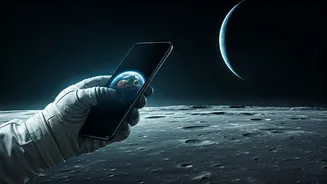
In a landmark decision, NASA is now permitting astronauts to carry personal smartphones, including iPhones, on their missions, beginning with the Artemis II lunar flyby and the SpaceX Crew-12 mission to the International Space Station. This move signifies a radical departure from decades of strict prohibitions on personal electronic devices in space, particularly for deep-space endeavors. Previously, only approved laptops and specialized equipment were allowed for essential communications. The primary motivation behind this change, as announced by NASA administrator Jared Isaacman, is to empower astronauts to capture "special moments" and share inspiring visuals with their families and the global audience. While the core purpose of spaceflight remains scientific research, this allowance acknowledges the immense potential of modern technology for public engagement and inspiration. It represents a commitment to embracing contemporary tools that are integral to our daily lives, making the extraordinary achievements of space exploration more relatable and accessible to everyone on Earth. This policy shift demonstrates NASA's proactive approach to integrating proven, reliable consumer technology into its operations, accelerating the timeline for adopting modern hardware for spaceflight.
Navigating the 'No-Phone Zone'
For many years, deep space was effectively a 'no-phone zone' due to a confluence of critical safety concerns. One of the primary anxieties revolved around radiation. It was feared that the electromagnetic radiation emitted by smartphones could potentially damage the sensitive microchips within the spacecraft's essential systems. Furthermore, there was a significant risk of interference. The possibility of a crew's personal electronic device inadvertently disrupting or causing critical spacecraft systems to fail was a major deterrent. Phone batteries also posed a challenge, with concerns about overheating and the potential for malfunction in the extreme conditions of space. These factors necessitated a highly controlled approach, where only rigorously tested and specially designed equipment was permitted. However, the evolution of technology and a reassessment of these risks, coupled with the advancements seen in the Artemis program's computing power, have paved the way for these stringent rules to be re-evaluated and ultimately, relaxed.
Sharing the Cosmic View
While astronauts will soon have personal smartphones, the transmission of captured images and videos involves a unique process due to the absence of cellular networks or direct internet connectivity in space. Any data—photographs or video clips—recorded by the astronauts will first be routed through NASA's internal systems before it can be accessed by the public or their families. This means that even though astronauts can now capture these moments with familiar devices, there's an intermediate step before they become shareable. The data will be stored on board and then relayed through existing satellite links. NASA personnel will then decode this information before its official release. This phased approach ensures the integrity and security of the data while still enabling its eventual dissemination. Although the Nikon DSLR will remain the primary tool for high-contrast lunar surface imagery, smartphones will excel at capturing the more personal, behind-the-scenes glimpses of life and work in orbit and during lunar expeditions, offering a more holistic view of space missions.