






Waste to Energy
Researchers at the Indian Institute of Technology Bombay have unveiled a remarkable thermochemical process capable of converting ordinary dry leaves into
a viable cooking gas. This pioneering technology presents an exciting prospect for a sustainable and economical energy source, particularly beneficial for communities in rural areas. The core of this innovation lies in a carefully controlled heating process of biomass, specifically dry leaves, in an environment devoid of oxygen. This reaction yields a syngas, which can then be further refined to produce methane, the primary component found in natural gas. This scientific advancement holds significant potential to alleviate energy poverty, lessen dependence on conventional fossil fuels, and efficiently manage agricultural residues, marking a pivotal step towards greener energy solutions and resourcefulness.
Campus Inspiration
The genesis of this transformative technology at IIT Bombay stemmed from an observation of the institute's own environment. Professor Sanjay Mahajani, leading the research for nearly a decade since 2014, noted the abundant dry leaves and twigs scattered across the campus grounds. Recognizing the inherent energy content within this readily available organic material, the team posed a simple yet profound question: why not harness this waste for practical energy applications within the campus itself? Given the extensive needs for cooking and various thermal processes on the IIT Bombay campus, the idea to repurpose this 'waste' as a fuel source became a compelling research objective, driving extensive development and refinement to achieve this innovative outcome.
The Gasification Process
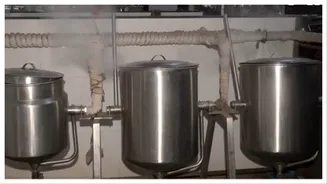
The conversion process begins by transforming the collected dry leaves into dense pellets. These compressed pellets are then fed into a specially engineered gasification unit. Within this unit, the leaves undergo gasification, a process that involves heating them at high temperatures in a low-oxygen environment. This crucial step generates 'producer gas,' a mixture predominantly composed of carbon monoxide and hydrogen. The design of the gasifier is critical; it has been meticulously engineered by the IIT Bombay team to significantly minimize harmful emissions, a common issue with direct combustion of biomass. The resulting producer gas is immediately combusted. The heat generated from this combustion is then utilized to convert water into steam. This steam is subsequently directed to facilities like canteens, where it powers steam-based cooking equipment and other essential utilities for food preparation, effectively closing the loop from waste to usable energy.
Addressing Energy Gaps
This development arrives at a crucial time, marked by global energy market volatility and supply chain uncertainties, particularly impacting India's cooking gas imports. Tensions in key geopolitical regions have disrupted vital shipping routes, affecting the delivery of Liquefied Petroleum Gas (LPG). In response to these challenges, India is actively expanding its Piped Natural Gas (PNG) network, offering a more consistent and direct supply to households. In March alone, over 3.1 lakh new PNG connections were established across domestic, commercial, and institutional users, with an additional 2.7 lakh connections in the process of being activated. While domestic production meets approximately half of India's natural gas needs, the IIT Bombay's leaf-based gasification technology offers a localized, sustainable, and potentially cost-effective alternative, particularly valuable during periods of global supply disruptions and for enhancing local energy security while promoting effective waste management.