



Dance and Robots
The intersection of ancient cultural practices and modern technology often leads to unexpected breakthroughs. This is the case with a recent study that
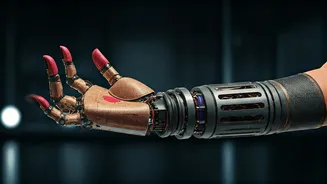
found a connection between Indian dance mudras and robotic hand control. In essence, the complex hand gestures, or mudras, used in Indian classical dance are being investigated for their potential to enhance the dexterity and functionality of robotic hands. This connection could revolutionize how robots are programmed and used in various fields, opening up new possibilities in manufacturing, healthcare, and exploration. The elegance and precision of the movements have captured the attention of researchers, presenting a unique way to refine and improve robotic capabilities.
Decoding Mudras
Indian classical dance forms, such as Bharatanatyam and Kathak, are celebrated for their intricate hand gestures. These gestures, known as mudras, are not merely aesthetic; they are symbolic and convey a wide range of emotions, stories, and ideas. Each mudra represents a specific meaning or action, forming a codified language of movement. The versatility of mudras, from delicate expressions to complex manipulations, makes them an ideal training ground for robotic hands. The key is in the precise and nuanced control, where each finger placement and movement contributes to a larger expression or action. This level of detail in movement control provides an ideal model for the development of robotic hand movements, offering a framework for simulating complex tasks that require both precision and adaptability.
Training Robotic Hands
The challenge for researchers lies in translating the complexity of mudras into robotic instructions. This involves capturing the essence of each gesture and converting it into a series of commands for the robotic hand. The process requires advanced computational models capable of interpreting and replicating the hand movements. This method would likely involve using sensors to gather data on the movements of dancers performing mudras. This data is then used to create algorithms that teach robotic hands to mimic these movements. By understanding and replicating these subtle and nuanced gestures, robots can achieve a higher level of dexterity. They will then be able to perform tasks with greater precision and adaptability, thereby improving their functionality and utility across various sectors.
Impact and Future
The implications of using mudras for robotic hand control are wide-ranging. It offers the potential to improve robots' ability to interact with the world around them. This improvement can lead to advances in several fields, including healthcare, where robots can perform intricate surgical procedures. It can also transform manufacturing, where robots can handle delicate and complex assembly tasks. Moreover, this approach opens doors for the development of more intuitive and user-friendly human-robot interfaces. As technology evolves, integrating the principles of Indian dance into robotics may result in more dexterous, versatile, and adaptable robotic systems. The fusion of art and technology might reshape the capabilities of robotics and its impact on how we interact with technology.