




Satellite Launch Spree
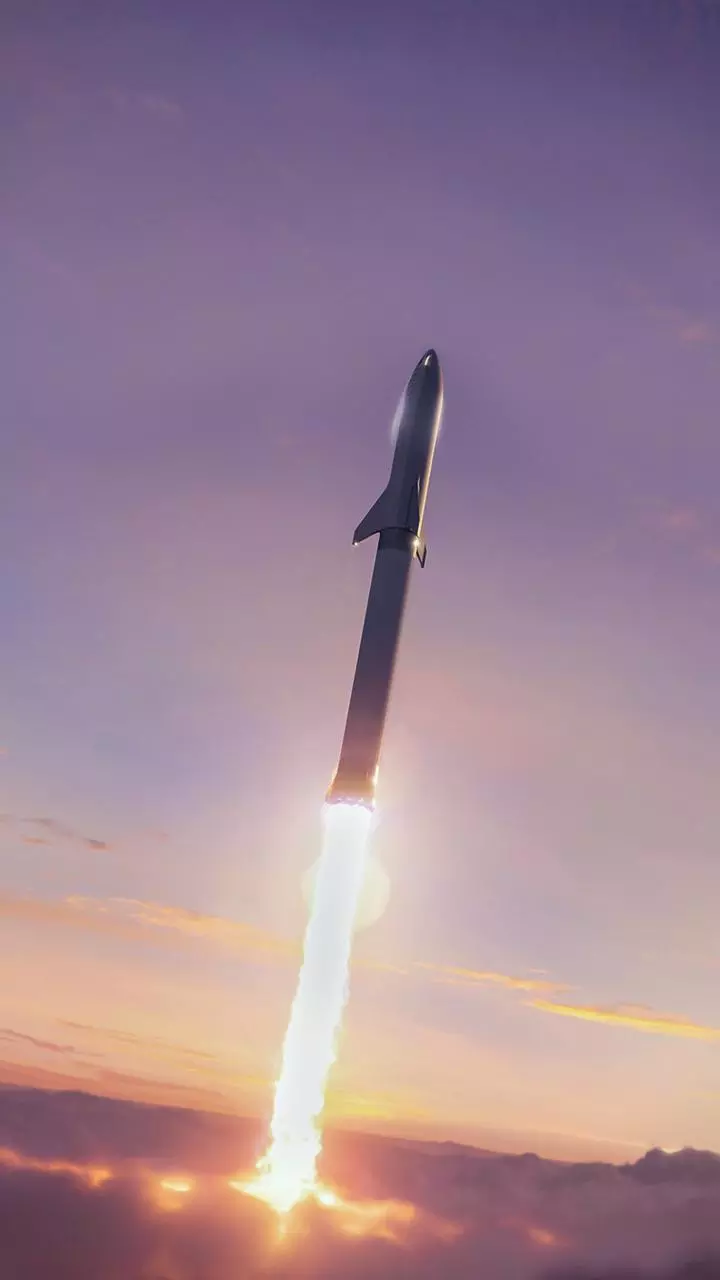
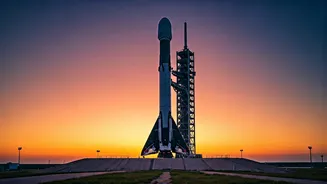
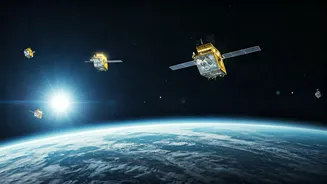
SpaceX was actively engaged in launching Starlink satellites throughout the observed period. Several launches were conducted, with the Falcon 9 rocket
playing a central role. One particular launch in early January 2026, using a reused Falcon 9 booster, deployed 29 Starlink satellites, highlighting the efficiency of SpaceX's operations. The regularity of these launches demonstrated the company's commitment to expanding its satellite network. Moreover, a launch in 2025 involved 29 Starlink satellites, emphasizing the pace of deployment. These launches provided vital services, including internet connectivity, to various areas across the globe. Each launch showcased technological advancements and reinforced SpaceX's position as a prominent player in the space industry. The consistent deployment of these satellites emphasized the importance of space-based technology and its contribution to modern infrastructure.
Rocket Launch Failures
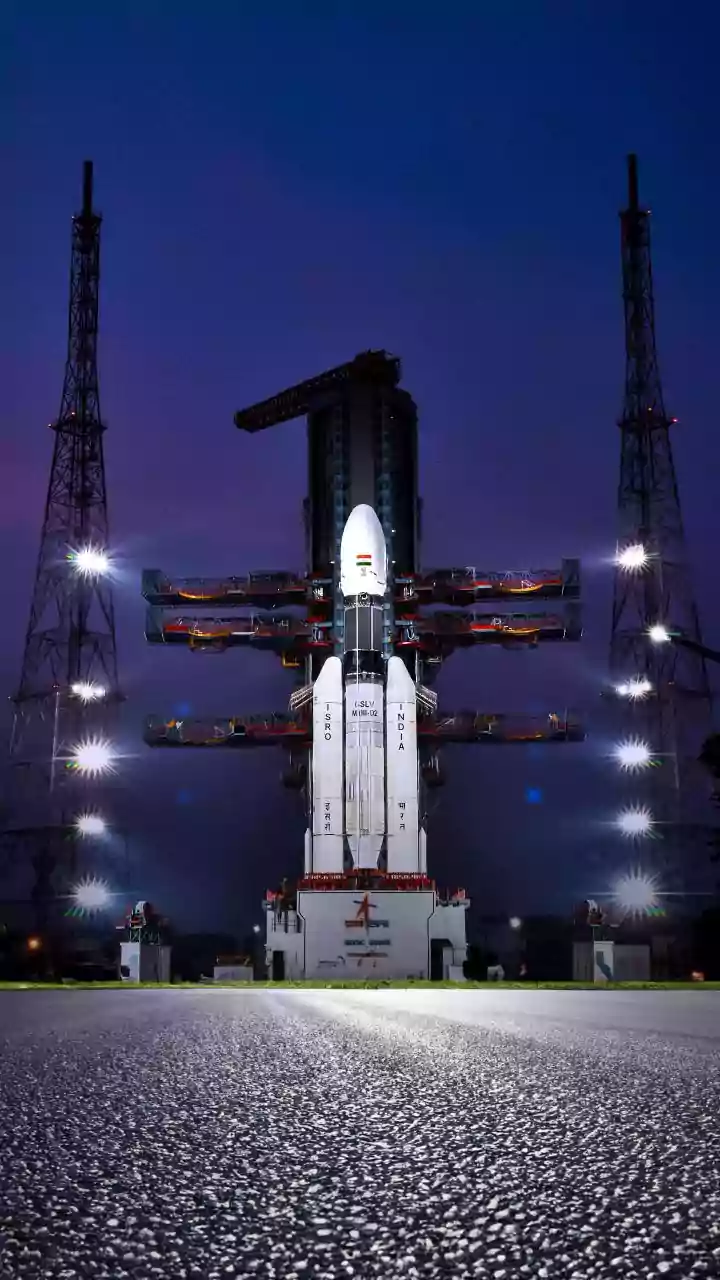
Amidst the numerous successful launches, there were also incidents of failures. In 2025, one notable instance involved an ISRO PSLV rocket experiencing a third-stage glitch, leading to the rocket veering off course. These setbacks underscore the difficulties inherent in space operations. Such failures provide crucial opportunities for learning and improvement. Additionally, one of the Falcon 9 launch attempts faced a hurdle, indicating the complexities of managing and controlling a launch. While these occurrences are infrequent, they emphasize the need for meticulous planning, stringent testing, and ongoing assessment to ensure successful outcomes. Such incidents, although discouraging, also serve to refine safety protocols and promote technological innovation within the space sector. The challenges faced by these space organizations offer valuable lessons for the future of space exploration and development.
Satellite Breakdowns, Reentry
Besides launch-related issues, there were incidents related to satellites. One Starlink satellite experienced an anomaly and began an uncontrolled fall toward Earth. Before its fiery reentry, the satellite was photographed in orbit. The satellite disintegration, which occurred due to unforeseen circumstances, highlights the challenges of operating equipment in space. The uncontrolled reentry presented a risk, demonstrating the critical importance of effective strategies for managing space debris. This event underscored the need for advanced tracking and mitigation methods for space-based infrastructure. The event provided vital data that could be used for improving the safety and sustainability of space activities. Space agencies and commercial operators are constantly working on new techniques to lessen the dangers associated with space debris and the potential dangers they present.
Space Forge's Experiment
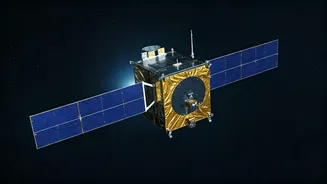
Space Forge conducted testing of the world's first commercial semiconductor factory in space. This initiative demonstrated a move towards commercializing space. By developing this factory, Space Forge created a new frontier for industrial processing, with the potential to manufacture products in a unique environment. Utilizing the vacuum and microgravity of space could facilitate the production of items with unprecedented capabilities. This groundbreaking project signals a shift towards space-based manufacturing, opening fresh avenues for technological innovation. This step could significantly impact many sectors, including electronics, medicine, and materials science. This venture symbolizes a significant advancement in the commercialization of space and its applications.