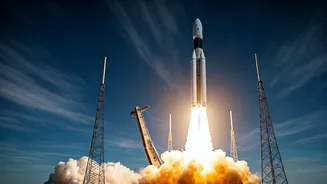

LVM3's Mighty Payload
The LVM3 rocket, previously known as the GSLV Mk III, is central to ISRO's launch capabilities. It's designed to carry heavy payloads into space, making
it ideal for launching substantial satellites. This particular mission involves a US commercial satellite, setting a new record for the heaviest payload LVM3 will carry to date. The rocket has a strong history, having launched several significant Indian missions, further cementing its reliability and capabilities. The selection of LVM3 for this critical task reflects confidence in its ability to execute the mission flawlessly. The design of the rocket and its operational history suggest that ISRO engineers and scientists are well-prepared for the challenging mission ahead, further demonstrating its competency.
US Satellite's Mission
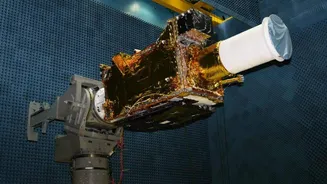
The US commercial satellite is designed for various purposes, likely including communication, Earth observation, or both. Detailed specifics about the satellite’s functions and technologies are not provided, but the fact that it is the heaviest to be launched by the US suggests considerable capabilities. This satellite's successful deployment will augment the US's space-based assets, potentially leading to improved services for both governmental and commercial sectors. The mission shows the continued reliance on satellites for modern communication and data gathering capabilities. The specific goals and technologies of the satellite are essential to the broader strategic and commercial goals of the United States. Furthermore, the choice of an Indian rocket for launching the US satellite is a clear sign of the trust in ISRO's ability. This partnership has implications in the space sector and reflects a mutual interest in furthering the development of the space exploration capabilities.
ISRO's Growing Capabilities
The use of the LVM3 rocket for this mission indicates ISRO's increasing prominence in the global space market. It demonstrates the technical advancement and reliability of the Indian space program, making it an attractive choice for international partners. ISRO has consistently improved its rocket technology and launch capabilities, allowing it to compete effectively on a global scale. This mission can also foster further opportunities for collaboration with other countries. ISRO’s success in this area highlights the impact of its strategic investments in space technologies, including its indigenous expertise. Through consistent development and execution, ISRO has cemented its position as a major player in the worldwide space race and has boosted India's standing in technological innovation.
Future of Space Cooperation
The collaboration between India and the US in this launch opens the door for greater cooperation in the future. It is a win-win scenario, where both countries can benefit from each other's expertise and resources. Future joint missions and technology exchanges could improve both space programs. This launch helps pave the way for a more integrated global space exploration program. Through collaborative projects, the two nations can boost their capabilities and contribute to the advancements in space technology. The mission is an indication of the potential that collaborative international space endeavors have, promising new insights and developments.