








Rice's Thermal Threshold
For millennia, rice cultivation has been geographically constrained, thriving only in areas where mean annual temperatures remain below 82.4°F (28°C) and
the highest seasonal temperatures average under 91.4°F (33°C). This established thermal limit, observed over approximately 9,000 years of rice domestication and farming, has dictated where this essential grain can be grown. While human ingenuity has led to the development of cold-tolerant rice varieties and agricultural adaptations that allowed cultivation to expand into cooler regions, the upper temperature boundary for successful rice growth has remained remarkably consistent. This suggests that rice plants have evolved to their current thermal optimums, and significant deviations from these conditions pose a substantial risk to crop yields and overall production.
Accelerated Warming Impact
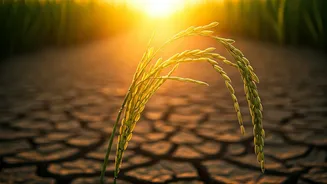
The current pace of global warming is alarming, occurring approximately 5,000 times faster than the rate at which rice has historically evolved. This stark disparity means that rice is rapidly approaching, and in many areas exceeding, its established thermal limits. While climate change might theoretically open up new, warmer regions for rice cultivation, the practicalities of such a shift are immense. Established rice paddies are complex, centuries-old systems that cannot simply be relocated. Furthermore, even if cultivation could be geographically shifted, this would not address the immediate food security crisis for the billions of people in regions like South Asia who rely heavily on rice as a primary food source and livelihood. The disruption to existing agricultural economies and the reliance of large populations on this staple crop underscore the severity of the challenge.
Beyond Evolutionary Pace
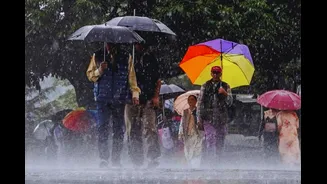
Rice photosynthesis significantly diminishes, shutting down entirely around 104°F (40°C), highlighting its sensitivity to extreme heat. Beyond photosynthetic impact, elevated temperatures can severely impair pollen viability, a crucial factor for successful grain development. Compounding these temperature-related issues, rice is a water-intensive crop, making it vulnerable to alterations in rainfall patterns and seasonal wet/dry cycles brought on by climate change. Moreover, rising sea levels pose a threat to coastal rice paddies, as saltwater intrusion can be detrimental to crop health, potentially rendering these fertile lands unusable. These multifaceted environmental pressures, driven by accelerated warming, push rice cultivation into uncharted and precarious territory, far exceeding its natural adaptive capabilities.