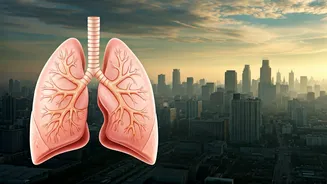









Understanding Delhi's Air
Delhi, a city often blanketed by a haze, is struggling with dangerously high air pollution. The UPSC (Union Public Service Commission) has highlighted
the severity of the issue, prompting a deeper look at the factors causing this environmental crisis. The city's air quality index (AQI) often showcases alarming readings, significantly impacting public health. The article emphasizes the imperative for residents to fully understand the nature and scope of air pollution, thereby empowering them to take preventative measures. It underscores that grasping the origins of air pollution is essential for effective mitigation efforts.
Sources of Pollution
Delhi's air pollution is a complex issue, with numerous contributors to the poor air quality. Factors like vehicular emissions, industrial activities, and construction processes are key sources. Moreover, the burning of crop residue in neighboring states significantly exacerbates the problem, especially during certain times of the year. The geographical position of Delhi, combined with seasonal weather patterns, creates conditions that trap pollutants, making the air quality worse. Comprehending these varied sources is the first step towards formulating effective strategies to control and reduce pollution levels in the city.
Health Implications
The detrimental effects of Delhi's air pollution on human health are substantial. High concentrations of pollutants can trigger or worsen respiratory illnesses such as asthma and bronchitis. Prolonged exposure to poor air quality increases the risk of cardiovascular diseases and other chronic conditions. Children, the elderly, and those with pre-existing health conditions are particularly vulnerable to these negative health effects. This makes it vital for residents to be conscious of the health risks linked with poor air quality and take necessary measures to protect themselves.
Ways to Protect Lungs
During periods of elevated air pollution, taking preventative measures is essential for protecting your respiratory health. One important step involves tracking the daily air quality index (AQI) and adjusting your activities accordingly. On days when the AQI is high, minimize outdoor exposure, especially during peak pollution hours. When venturing outside, wearing a high-quality mask can offer protection against harmful particles. Moreover, maintaining a healthy lifestyle, including a balanced diet and regular exercise, can strengthen your lungs and overall health. Seeking advice from healthcare experts is crucial for personalized suggestions and management strategies.
Air Pollution & UPSC
The UPSC highlights the comprehensive understanding of air pollution as critical for exams. This subject involves not just the sources and effects but also the government's measures and the global perspective on environmental management. Candidates are expected to analyze this information through various dimensions, including economics, policy, and societal implications. A grasp of Delhi's environmental challenges provides an excellent basis for understanding broader environmental issues. UPSC exam preparation necessitates in-depth analysis and the ability to link environmental issues with governance and sustainable development.