





Sunspot AR 4294
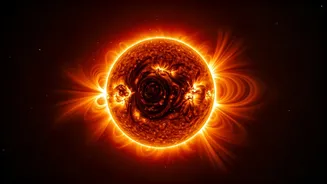
Sunspot AR 4294, a behemoth, is sparking concern among scientists. Measuring a staggering size of 96, this sunspot has become a focal point of astronomical
observation. Sunspots are regions on the sun's surface marked by intense magnetic activity. The strength of these magnetic fields is what makes them sources of solar flares and coronal mass ejections (CMEs). Understanding the behavior of sunspots is crucial for predicting space weather and mitigating potential risks on Earth, as these solar events can have significant consequences for technology and infrastructure. Scientists are therefore closely monitoring AR 4294's activity and evolution.
Solar Storm Threats
The primary concern with sunspots like AR 4294 is their potential to trigger powerful solar storms. These storms, which include solar flares and CMEs, involve the sudden release of massive amounts of energy and particles from the sun. Solar flares, characterized by bursts of electromagnetic radiation, can cause disruptions to radio communications and damage satellites. CMEs, on the other hand, are ejections of plasma and magnetic fields from the sun's corona. When a CME reaches Earth, it can interact with the Earth's magnetic field, leading to geomagnetic storms. Such storms can induce currents in power grids, potentially causing blackouts, and interfere with GPS and other satellite-dependent technologies. The potential for these disruptions underscores the importance of monitoring sunspot activity and predicting solar events.
Impacts on Earth
Should AR 4294 unleash a powerful solar storm, the impacts on Earth could be considerable. Geomagnetic storms can affect power grids, potentially leading to widespread blackouts, as the induced currents can overload transformers and other electrical infrastructure. Satellite operations would also be vulnerable. Satellites could experience radiation damage or disruptions to their communication and navigation systems. Moreover, solar storms can interfere with radio communications, including those used by airlines and emergency services. In extreme cases, the effects could include damage to critical infrastructure, creating challenges for global communication, transportation, and economic activity. Governments and organizations around the world have space weather monitoring programs to prepare for and minimize these impacts.
Scientist's Vigilance
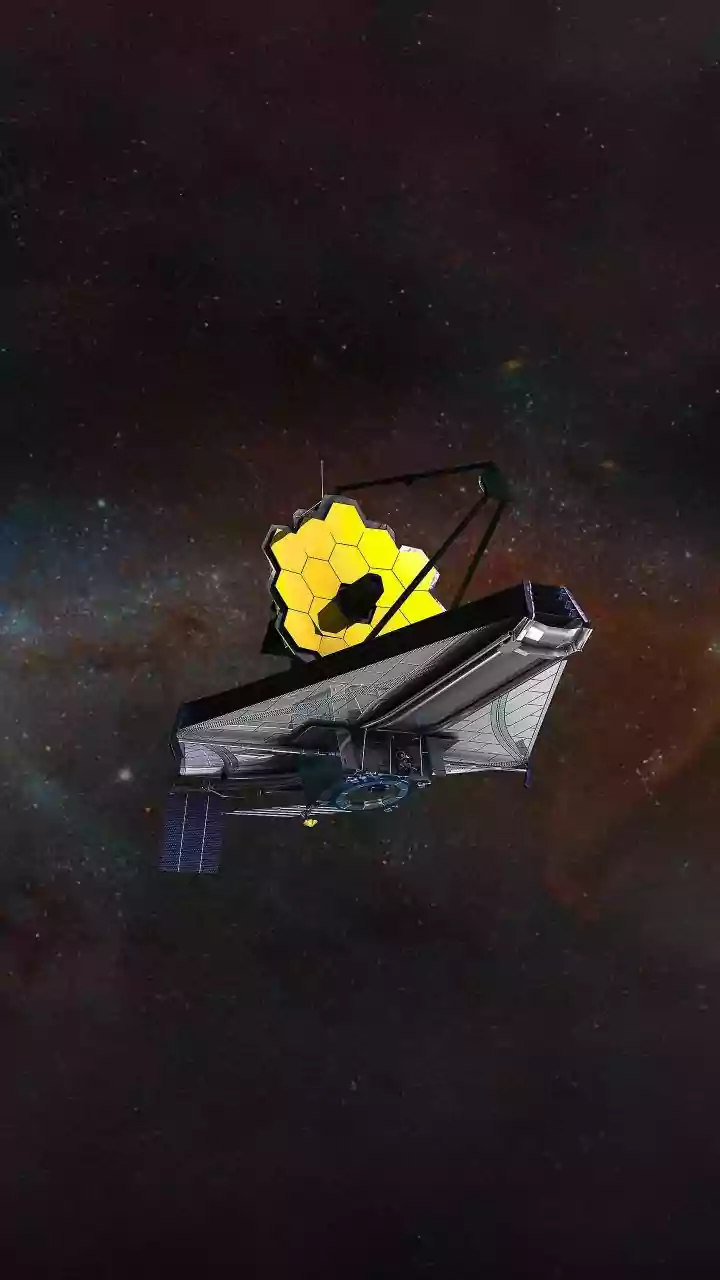
Scientists and space weather agencies are closely monitoring AR 4294 and its activity to provide early warnings of potential solar storms. Using advanced instruments, such as telescopes and satellites, they observe the sun's surface, magnetic fields, and coronal activity. This data helps them forecast the likelihood and intensity of solar flares and CMEs. Space weather forecasts are crucial for various sectors. Power companies, satellite operators, and aviation authorities use these forecasts to prepare for potential disruptions. This preparation includes adjusting operations, protecting critical infrastructure, and issuing alerts to minimize the effects of space weather events. Ongoing research is constantly improving the accuracy of these forecasts.