



Catching the Show
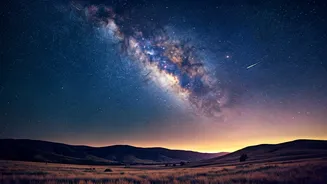
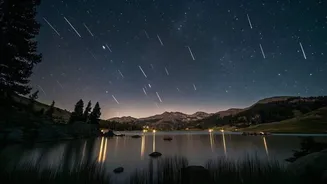
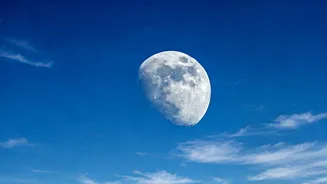
To truly appreciate the Lyrids, timing and location are key. Aim for nights with minimal moonlight; checking moonrise and moonset times beforehand is crucial
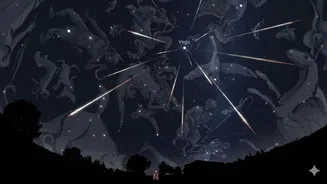
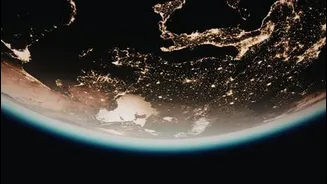
for a dark sky. While meteors can appear anywhere, they seem to originate from the constellation Lyra, identifiable by the bright star Vega in the northeastern sky. For the best experience, venture away from city lights into the countryside to minimize light pollution, which significantly enhances your chances of seeing more meteors. Even in urban areas, you might still spot a few. The shower becomes visible in the early evening, ascending in the northeast, and can be observed throughout the night. For those in the Southern Hemisphere, Lyra will be low on the horizon, offering fewer visible meteors. Importantly, no special equipment like binoculars or telescopes is needed, as the meteors traverse a large portion of the sky. Comfortable seating, warm blankets, and a hot beverage are all you'll need for this natural spectacle.
What to Expect
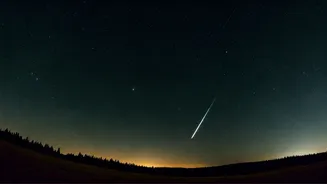
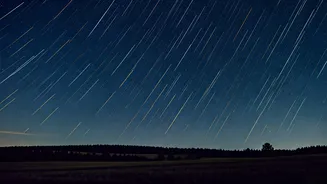
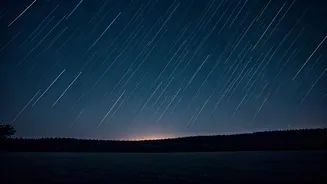
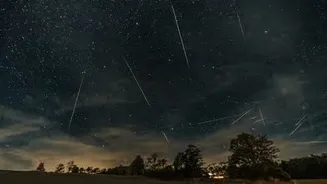
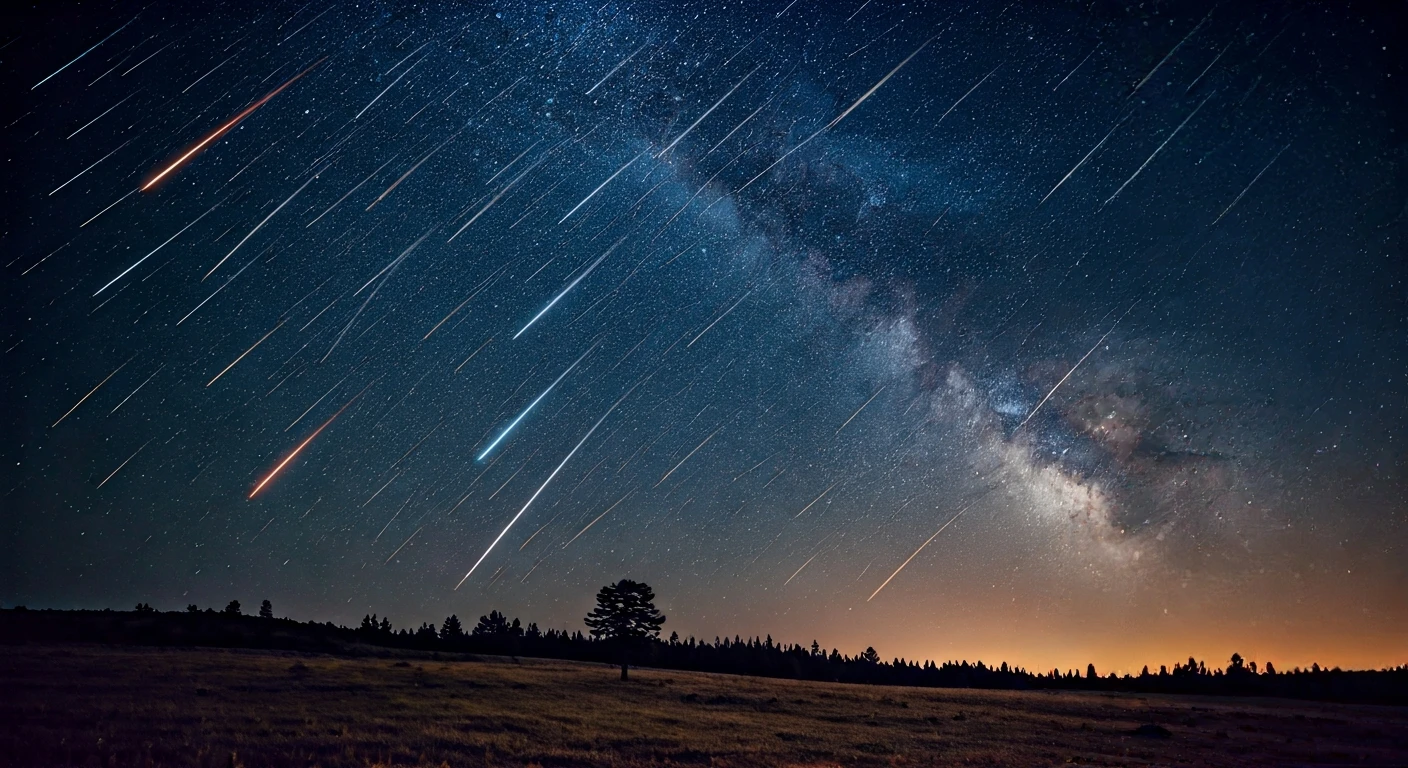
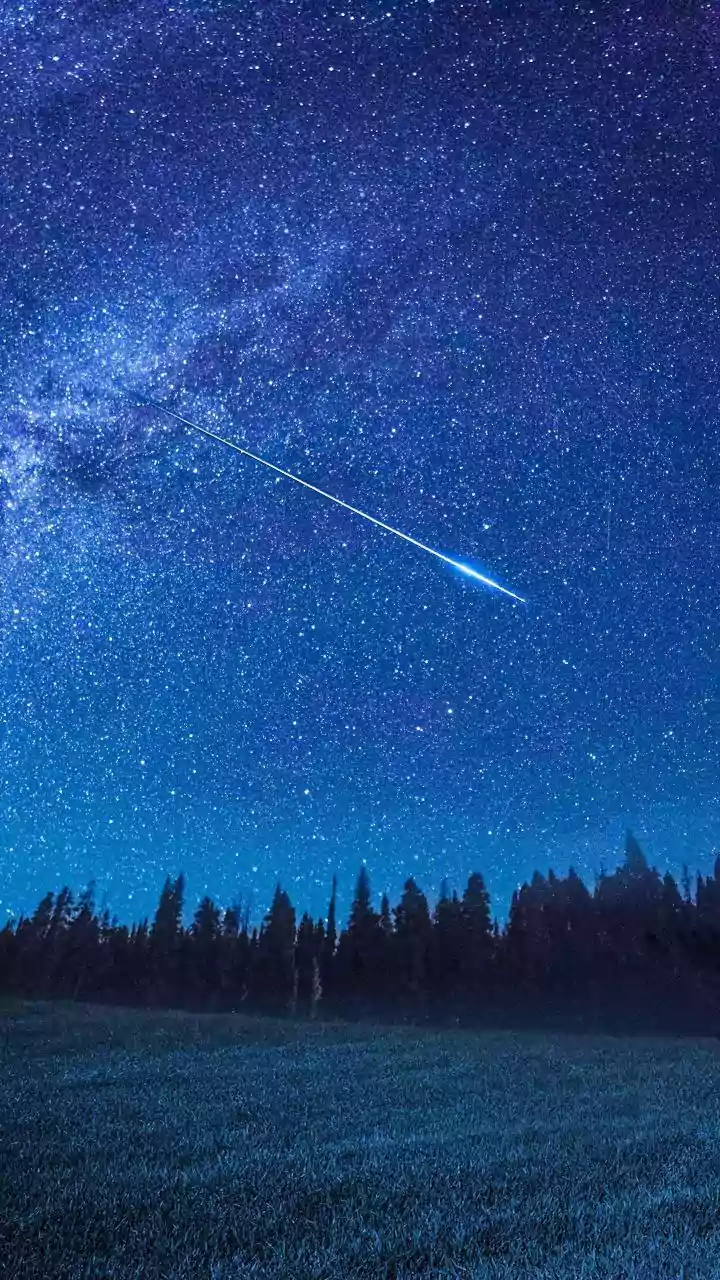
With favorable conditions, away from urban glow, you might witness up to 20 shooting stars per hour. Keep an eye out for particularly bright and swift meteors, some of which leave behind lingering trails that remain visible for several seconds. Occasionally, you may even see fireballs – larger, brighter meteors that are essentially space rocks comparable in size to a basketball entering our atmosphere. The intensity of meteor showers can fluctuate dramatically. Historically, the Lyrids have experienced outbursts, with recorded rates exceeding one hundred meteors per hour in specific years like 1922 and 1980. These variations are inherent to how meteor showers function and their relationship with cometary debris trails.
Cosmic Origins Revealed
Meteor showers, including the Lyrids, occur when Earth traverses through a dense field of cosmic dust and debris. This material is primarily composed of tiny particles, often no larger than grains of sand, shed by a comet. As Earth plunges through this stream at incredible speeds, exceeding 100,000 kilometers per hour, these particles ignite upon entering our atmosphere, creating the streaks we call meteors. Approximately 15% of these particles leave behind noticeable, smoky trails that linger for a few minutes. The specific debris responsible for the Lyrids originates from Comet Thatcher, a celestial body that last passed near the sun in 1861. This comet has a long orbital period of 416 years, and its orbit is notably inclined, almost perpendicular to the plane of our solar system. This unique trajectory helps prevent the comet's debris stream from being widely dispersed by the gravitational influence of planets, contributing to the Lyrids' consistent and reliable annual appearance over millennia.
A Shower of History
The Lyrid meteor shower boasts one of the longest documented histories of any annual celestial event, with records stretching back over 2,600 years. Ancient Chinese astronomers in 687 B.C. famously described the shower as so prolific that meteors appeared to be "falling like rain." This historical perspective underscores the shower's enduring presence in human observation. More recently, accounts from 1803 detail a significant Lyrid "storm" observed across the eastern United States, where people witnessed a continuous fall of shooting stars in virtually every direction, likened to rockets flying in reverse. These historical records highlight the Lyrids' consistent ability to capture the wonder and imagination of observers across vast spans of time and geography.