






Micro-Habits, Macro-Lifespan
Small, consistent shifts in our lifestyle can yield substantial rewards when it comes to longevity. Even minor improvements in sleep quality, dietary choices,
and physical activity levels have been shown in studies to significantly extend our lifespan. This isn't about drastic overhauls but rather incorporating manageable, everyday practices that cumulatively contribute to a healthier and potentially longer life. The research suggests that focusing on these foundational elements can have a profound impact, acting as a powerful preventative measure against age-related decline and chronic diseases. By prioritizing these fundamental aspects of well-being, individuals can proactively invest in their future health and longevity.
Targeted Brain Training
Not all cognitive exercises are created equal when it comes to staving off dementia. A large-scale trial has revealed that only specific types of brain-training activities demonstrably reduce the risk of cognitive decline. This indicates that a more targeted approach to mental stimulation is necessary, rather than engaging in a broad range of generic puzzles or games. The findings highlight the importance of understanding which cognitive functions are most vulnerable and which exercises effectively bolster them, offering a more nuanced strategy for maintaining brain health as we age and mitigating the onset of neurodegenerative diseases.
Neanderthal Echoes
Our ancient relatives, the Neanderthals, continue to reveal fascinating secrets about our own biology and health. Recent discoveries in 2025 have shed light on various aspects of their lives, including how their DNA persists within modern human populations. This inherited genetic material influences a range of physiological traits and predispositions, from immune responses to susceptibility to certain diseases. Understanding these 'more Neanderthal than human' genetic contributions provides a unique window into our evolutionary past and its ongoing impact on our present-day health landscape, potentially explaining variations in disease risk and resilience.
Sleep Profiles & Health
Scientists have identified five distinct sleep profiles, moving beyond the simple 'night owl' or 'early bird' classifications. These new categories offer a more comprehensive understanding of individual sleep patterns and, remarkably, some of them may serve as indicators for potential mental health conditions. This research suggests that irregularities or specific characteristics within these profiles could be early warning signs, prompting further investigation and intervention. By recognizing these diverse sleep typologies, we gain a deeper insight into the intricate relationship between sleep architecture and psychological well-being.
Conquering Antibiotic Resistance
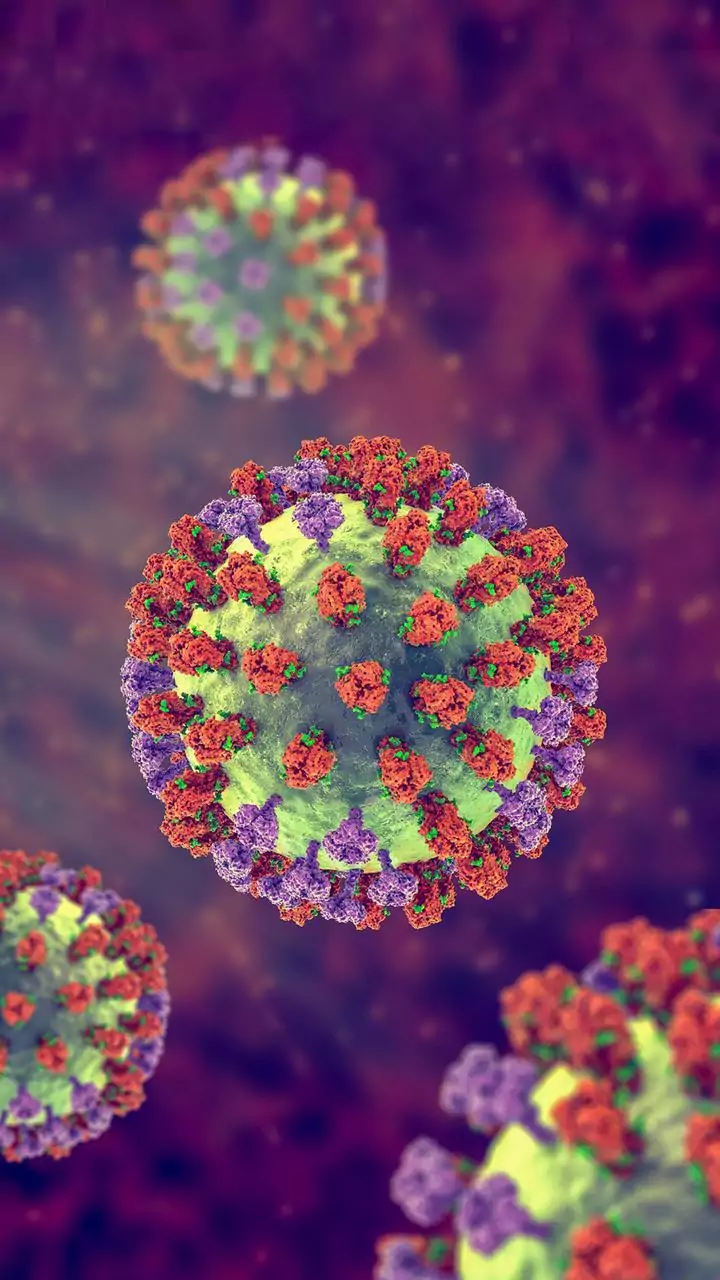
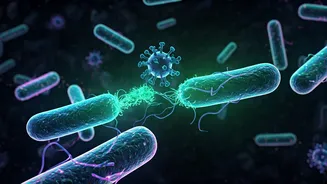
Antibiotic resistance is a critical global health threat, often referred to as a 'silent pandemic' due to its insidious progression and devastating potential. Combating this challenge requires a multi-faceted approach. Key steps include responsible use of antibiotics in both human and animal medicine to slow the development of resistant bacteria, improved infection prevention and control measures in healthcare settings to limit the spread of resistant organisms, and increased research and development into new antimicrobial drugs and alternative therapies. Public awareness and education are also crucial to ensure appropriate antibiotic stewardship.
Heart Health Predictors
While cholesterol levels have long been a standard metric for assessing cardiovascular risk, emerging research suggests a new 'marker' may offer even greater predictive power. This novel indicator could provide earlier and more accurate insights into an individual's susceptibility to heart disease, allowing for more timely and personalized preventative strategies. Understanding these advanced markers is crucial for refining our approach to cardiovascular health and potentially averting future cardiac events before they manifest, moving beyond traditional risk assessments.
Circadian Rhythms & Cancer
The timing of medical treatments, including cancer therapy, can significantly influence their efficacy and impact. Emerging studies indicate that it matters what time of day cancer treatment is administered, suggesting that aligning therapies with the body's natural circadian rhythms might optimize outcomes. This chronomedicine approach leverages our internal biological clocks to enhance treatment effectiveness and potentially reduce side effects. Further research into how our daily cycles affect disease progression and treatment response is vital for developing more sophisticated and personalized therapeutic strategies.
Orca Intelligence Unveiled
Orcas are exhibiting increasingly complex and fascinating behaviors, leading scientists to question their evolving intelligence. These apex predators are demonstrating novel strategies, particularly in their interactions with boats and marine environments, suggesting sophisticated problem-solving skills and social learning. The adaptability and innovation observed in their actions hint at a higher level of cognitive function than previously understood, prompting ongoing research into their communication, decision-making processes, and the social dynamics that drive these remarkable behavioral changes.
Insomnia, Anxiety, Immunity
A growing body of evidence links chronic insomnia and persistent anxiety to a weakened immune system. New research is beginning to unravel the complex biological mechanisms underlying this connection, exploring how sleep deprivation and psychological stress can impair the body's ability to fight off infections and maintain overall health. Understanding these pathways is crucial for developing holistic approaches to well-being that address both mental and physical resilience, recognizing that sleep and emotional state are intimately tied to immune function.
Lead Exposure's Legacy
Analysis of preserved hair samples from the 20th century has revealed the alarming extent of lead exposure during that era. These historical records provide a stark reminder of the widespread environmental contamination and its potential long-term health consequences. Understanding the patterns and levels of past lead exposure is critical for informing current public health policies and remediation efforts, as well as for identifying any lingering health effects in populations that were heavily impacted. This historical data underscores the importance of ongoing vigilance against environmental toxins.