








ISRO's Mission Overview
The Indian Space Research Organisation (ISRO) is set to embark on a series of ambitious space missions in 2026, with the PSLV-C62 mission being a key highlight.
These missions represent India's continued efforts to advance its capabilities in space technology and exploration. ISRO's endeavors include launching satellites for various purposes, from Earth observation to scientific research. The focus is on enhancing India's presence in the global space arena. The space agency aims to improve its technological prowess, boost its capacity to launch satellites, and contribute to scientific discoveries through these future missions. These projects are crucial to India's goals for technological independence and global competitiveness in space.
PSLV-C62: Key Details
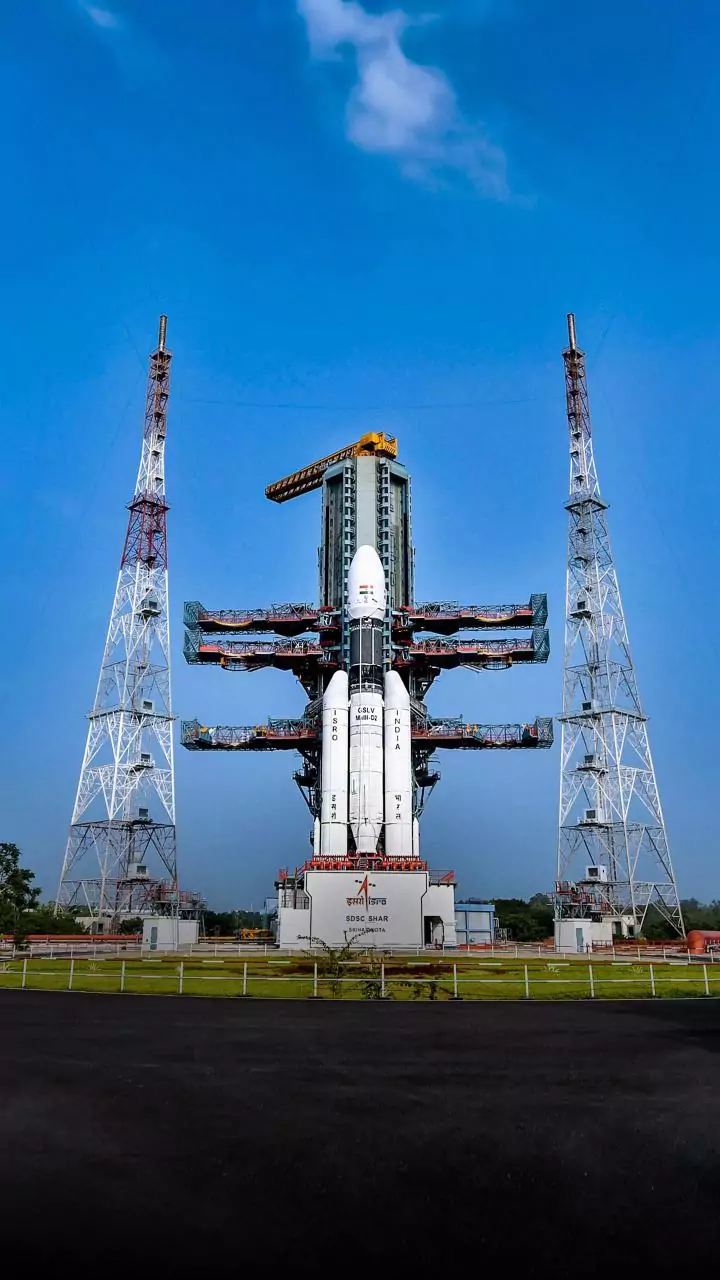
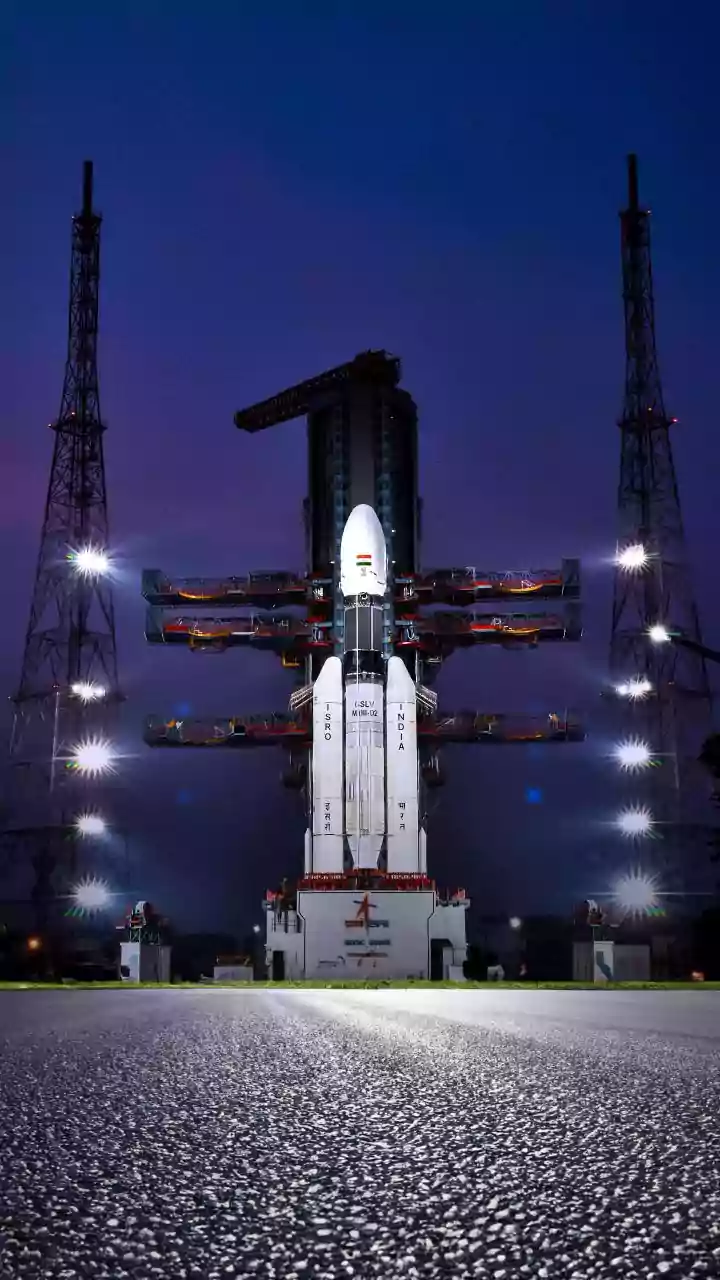
The PSLV-C62 mission will be one of the early missions planned for 2026. The Polar Satellite Launch Vehicle (PSLV) is known for its reliability and versatility, making it a dependable choice for carrying various payloads into space. This mission is expected to deploy multiple satellites into orbit. The exact types and purposes of the satellites are likely to vary, including Earth observation, scientific experiments, and possibly commercial payloads. The launch is planned from the Satish Dhawan Space Centre in Sriharikota, India, a location which has been a hub for ISRO's launches for decades. This specific mission highlights ISRO's commitment to regularly launching satellites, as well as advancing its launch capabilities.
Satellites and Payloads
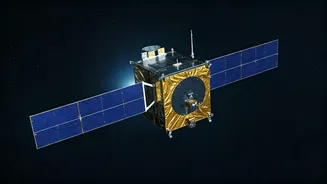
The PSLV-C62 mission is expected to launch a variety of satellites. These satellites can range from those designed for Earth observation, providing crucial data on weather patterns, climate change, and land use, to research satellites focused on scientific experiments in space. There might also be commercial payloads, demonstrating ISRO's ability to support the global space market by launching satellites for other entities. Each satellite will be designed to perform specific tasks, contributing to various fields like environmental monitoring, telecommunications, and scientific exploration. ISRO’s ability to successfully launch these different payloads showcases its technical expertise and its role in diverse applications of space technology.
Sriharikota Launch Site
The Satish Dhawan Space Centre in Sriharikota serves as the launch site for the PSLV-C62 mission. It is a strategically important location due to its proximity to the equator, which aids in launching satellites into orbit, because of the extra boost from Earth's rotation. This center is equipped with advanced facilities for rocket assembly, launch control, and tracking of missions. Over the years, Sriharikota has become a symbol of India's space achievements, hosting numerous successful launches. ISRO continues to develop and improve the infrastructure at Sriharikota to accommodate its expanding launch schedule. This spaceport is essential for India's ongoing space program, supporting the launch of various satellites and helping the nation reach new heights.
Broader Space Goals
Beyond specific missions like PSLV-C62, ISRO's broader goals involve enhancing India's space capabilities in numerous ways. This includes strengthening its launch vehicle technology, increasing the frequency of launches, and promoting the use of space for national development. ISRO aims to innovate, create new technologies and explore the possibilities of space exploration. The agency is also keen on collaborations with other countries and space agencies to share knowledge and resources. The ultimate goal is to establish India as a major player in the global space industry, driving innovation, and using space technology to improve the lives of its citizens and contribute to the global community.