




Moonless Viewing Opportunity
Mark your calendars for April 17th, a date of particular significance for astronomers and stargazers alike. On this day, the Moon will align with the Sun,
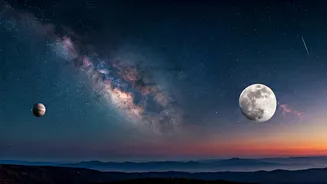
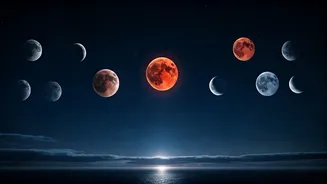
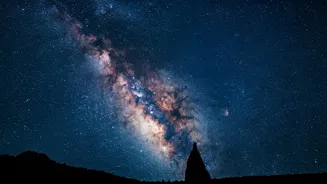
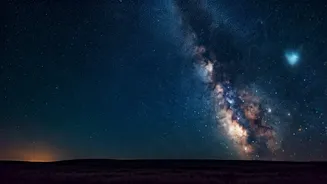
positioning itself on the same side of our planet. This alignment results in what is known as a New Moon, a phase where the Moon is virtually invisible to us. The absence of lunar light bathing the night sky creates an unparalleled opportunity to delve into the cosmos and observe fainter celestial bodies. During this period, galaxies that are typically obscured by moonlight will become more prominent, and star clusters will shimmer with newfound clarity. It's the perfect window to point your telescope towards the deep sky and uncover the universe's hidden gems, far from the glare of our natural satellite.
Lyrid Meteor Shower Peaks
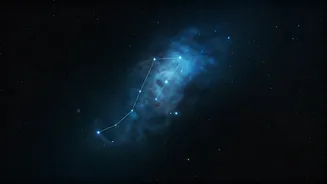
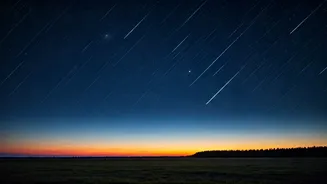
Get ready for the Lyrids, a meteor shower poised to put on a moderate yet spectacular show. Expected to deliver around 20 meteors per hour at its zenith, this event is a cosmic reminder of ancient visitors. The celestial display is born from the trail of dust and debris left behind by Comet Thatcher, a celestial wanderer first identified in 1861. The Lyrids will be active from April 16th to the 25th, with the peak viewing hours falling on the night of April 22nd and stretching into the early morning of April 23rd. Keep an eye out for brilliant meteors that sometimes leave ephemeral trails, glowing for several seconds as they blaze through our atmosphere. The prime viewing conditions will arrive after midnight, as the Moon sets, leaving the sky agreeably dark. For the best experience, venture away from city lights to a secluded spot and look towards the sky after midnight; while the meteors appear scattered, they seem to originate from the vicinity of the constellation Lyra.
Comet C/2025 R3 Approaches
On April 27th, stargazers have the chance to witness Comet C/2025 R3 as it reaches its maximum brightness and embarks on its closest approach to Earth, coming within a remarkable 44 million miles of our planet. This icy visitor will be visible in the eastern sky, gracefully traversing through the constellations of Pegasus and just above Pisces. For those in the Northern Hemisphere, catching a glimpse of this comet will be best in the pre-dawn hours throughout the latter half of April. Meanwhile, observers in the Southern Hemisphere can anticipate seeing it in the evening sky during the early days of May. This celestial event offers a rare opportunity to observe a comet at its most accessible and luminous phase, a truly awe-inspiring spectacle.
Planetary Alignment Spectacle
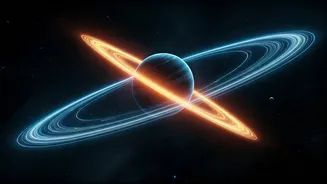
The entire month of April presents a captivating celestial ballet of planets. Dominating the western early evening sky is Venus, shining brilliantly, with Jupiter positioned high above it after sunset, a dazzling beacon. As April progresses, the yellowish hue of Saturn begins to emerge low on the eastern horizon just before dawn. It joins the red glow of Mars, which will also be a consistent presence in the pre-dawn eastern sky throughout the month. Adding to this planetary lineup, Mercury makes a brief but notable appearance early in April, visible just above the eastern horizon shortly before sunrise. This confluence of planetary sightings offers a fantastic opportunity for skywatchers to observe multiple worlds in a single observing session, painting a dynamic picture across our skies.