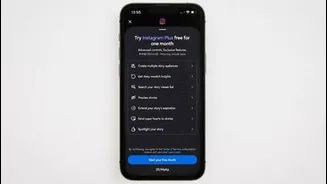







New Paid Tiers
The social media landscape is increasingly shifting towards subscription models, and the latest development involves Meta quietly testing a premium offering
for its popular photo-sharing platform, Instagram. Tentatively named 'Instagram Plus,' this new tier appears to be in the early stages of evaluation, with only a select group of users currently encountering prompts for it. While the free version of the app will continue to be available, the introduction of a paid option signals a potential future where enhanced functionalities are reserved for paying subscribers. This strategy mirrors trends seen across other digital services, raising questions about the long-term accessibility and evolution of social media experiences. The company is carefully gauging user response and market viability before committing to a wider release, indicating a strategic, measured approach to integrating monetization directly into the user experience.
Exclusive User Perks
Instagram Plus promises a suite of 'tempting upgrades' designed to enhance user engagement and control over their content. According to preliminary insights, subscribers could gain access to features such as managing multiple audience groups for stories, viewing who has rewatched their stories, and the ability to search through their viewer lists. Furthermore, the subscription might unlock advanced story functionalities, including previewing before posting and extending the duration stories remain visible. Other potential benefits include the use of 'super hearts' and the option to spotlight stories for greater visibility. These additions are intended to provide a more sophisticated and personalized experience, though they are neatly packaged behind a paywall. Meta is notably offering a complimentary one-month trial, a common tactic to encourage users to experience the premium benefits before committing financially, aiming to foster reliance on these enhanced features.
User Sentiment Analysis
The prospect of Instagram Plus has elicited a divided response from the user community, with many expressing skepticism and dissatisfaction. Discussions on platforms like Reddit reveal a prevalent sentiment that the proposed features are either unnecessary or lack significant value, especially when compared to the established free functionality. A recurring theme in these conversations is the perceived similarity to strategies adopted by other major tech figures, such as Elon Musk's approach with X (formerly Twitter), suggesting a broader industry trend of monetizing previously free services. While some acknowledge that the financial demands on social media platforms are increasing and that subscriptions might be a business necessity, the shift from free to paid features is viewed with apprehension. The concern is that once users become accustomed to the enhanced experience offered by subscriptions, returning to the standard, free version may feel like a considerable downgrade, effectively creating a dependency on paid access.
The Subscription Trend
The emerging model of paid subscriptions on social media platforms is becoming an undeniable reality, a shift that is met with a mix of understanding and concern. From a business perspective, the revenue generated from advertising alone may no longer be sufficient to sustain the extensive operations and development required by these global networks. Consequently, platforms are exploring diverse monetization avenues, with subscriptions offering a direct revenue stream from engaged users. The core appeal of these paid tiers lies in providing advanced functionalities that offer a more tailored or efficient user experience. However, the underlying concern is the potential for a tiered internet, where access to certain features or an unhindered experience is determined by financial contribution. While the choice to subscribe or remain on a free tier theoretically exists, the gradual introduction of compelling premium features can subtly influence users towards paid options, thereby altering the fundamental accessibility of online social spaces.