
Understanding Poor Circulation
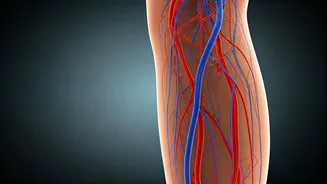
Poor blood circulation in the legs is often marked by discomforting symptoms such as numbness, tingling, and pain. Many factors can contribute to this
problem. These include conditions like peripheral artery disease (PAD), where arteries narrow due to plaque buildup, hindering blood flow. Other contributors are lifestyle choices, such as a sedentary routine and smoking, which compromise vascular health. Additionally, some medical conditions, like diabetes, can heighten the risk of circulation issues. Recognizing the root causes is the initial step towards effective management and improvement. Understanding these causes allows for the adoption of targeted strategies to improve blood flow and diminish symptoms, thus enhancing overall leg health and comfort. If one has concerns regarding the severity of poor circulation, consulting a healthcare professional is crucial for accurate diagnosis and tailored treatment plans.
Lifestyle Adjustments Matter
Making thoughtful lifestyle changes can greatly enhance leg circulation. Regular physical activity, such as brisk walking, running, or cycling, plays a pivotal role. Exercise promotes the dilation of blood vessels, which increases blood flow. Avoiding prolonged periods of sitting or standing is equally essential. Taking short breaks to move around or stretch can prevent blood from pooling in the legs. Smoking cessation is also a critical step, as nicotine constricts blood vessels, thus worsening circulation. Maintaining a healthy weight through balanced nutrition is also important. Healthy eating habits coupled with regular exercise create an environment conducive to better vascular health. These lifestyle adjustments work synergistically to alleviate symptoms and boost the circulation in the legs, leading to better health.
Elevate Your Legs
Simple yet effective methods include leg elevation and the use of compression. Elevating your legs above heart level helps to reduce swelling and encourages blood to flow back towards the heart, easing pressure in the veins. Doing this a few times a day, particularly when sitting or resting, can bring substantial relief. Compression garments, such as stockings, provide gentle pressure, supporting the veins and preventing blood from pooling. These are particularly useful if one has to stand for long durations or has a history of venous insufficiency. Both leg elevation and compression are non-invasive methods that can be integrated easily into a daily routine, offering immediate relief from the discomfort of poor circulation and promoting overall leg health. It's often recommended to seek guidance from a healthcare professional to identify the correct compression level for individual needs.
Dietary Strategies Explored
Dietary changes can significantly improve leg circulation. Focusing on a diet rich in fruits, vegetables, and whole grains, which are high in antioxidants, strengthens blood vessels and enhances blood flow. Foods like berries, spinach, and oats offer essential nutrients that support vascular health. Also, limit the intake of processed foods, saturated fats, and sodium, as these can contribute to artery blockage and worsen circulation. Staying hydrated by drinking sufficient water is also crucial. Proper hydration keeps the blood flowing freely and prevents it from thickening. Moreover, incorporating foods known for their anti-inflammatory properties, such as fatty fish like salmon and foods rich in omega-3 fatty acids, can help reduce inflammation and boost circulation. A balanced diet, rich in nutrients, combined with controlled intake of unhealthy fats and sodium, greatly enhances vascular health, promoting improved circulation and reducing the risks associated with poor leg health.
Natural Therapies Revealed
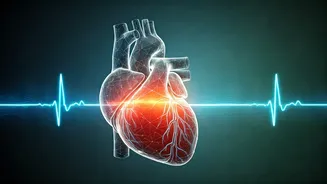
In addition to lifestyle adjustments and dietary changes, certain natural therapies can support healthy leg circulation. Regular massage can improve blood flow by stimulating the veins and muscles, thus reducing swelling and enhancing circulation. A vascular surgeon recommends three natural ways to keep arteries clear and protect heart health. Incorporating gentle exercises, such as calf raises or ankle rotations, can also promote circulation in the legs by activating the muscles. Furthermore, some herbal supplements, like ginkgo biloba, have been recognized for their potential to improve blood flow. However, it is crucial to consult a healthcare provider before starting any new supplements. Combining these natural therapies with lifestyle changes can enhance leg circulation, providing comfort and improving overall health. These therapies complement other strategies, delivering a more comprehensive approach to managing and improving leg health.