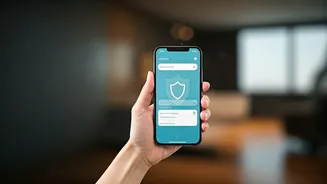







Introducing Pre-Teen Accounts
WhatsApp has introduced a groundbreaking feature allowing parents to create and manage accounts for children younger than 13 years old. This initiative
addresses prevalent parental concerns about excessive screen time and exposure to inappropriate content on messaging platforms. These specially designed accounts will be under the direct supervision of guardians, who can meticulously monitor and regulate their child's activity. The primary aim is to cultivate a secure and controlled digital space for very young users, ensuring their initial online interactions are both safe and positive. This step signifies a commitment to fostering responsible technology use from an early age, aligning with the platform's broader efforts to enhance user safety and privacy across its services, especially for its youngest demographic.
Parental Management Features
The parent-managed accounts on WhatsApp come equipped with a suite of robust controls. Guardians will have the authority to dictate who can initiate contact with their child's account and to approve which group chats they can join. Furthermore, parents can review incoming message requests from individuals not already in their child's contacts, providing an essential layer of security. Privacy settings are also under parental jurisdiction, allowing for fine-tuning of the child's online presence. Critically, these accounts will not have access to certain features like WhatsApp Channels, Status updates, or Meta AI. Their functionality is primarily limited to direct messaging and participation in approved groups, streamlining the experience to focus on core communication while minimizing potential risks.
Setup and Security
Setting up a parent-managed WhatsApp account for a child is a straightforward process that requires both the parent's and child's devices to be present. The process involves scanning a unique QR code displayed on the child's device from the parent's WhatsApp account. This action establishes a secure link between the two, initiating the management framework. All parental control configurations are protected by a unique PIN, ensuring that only authorized guardians can make changes to privacy settings or account permissions. This security measure is vital to maintaining the integrity of the parental oversight system, preventing unauthorized access or modifications by the child or other parties.
Enhanced Privacy Restrictions
These specialized accounts for pre-teens come with a set of deliberate restrictions designed to enhance safety. Beyond the exclusion of Channels and Status, children will be unable to utilize features such as disappearing chats or send 'view once' messages, which could potentially be misused. Other limitations include the absence of chat locks and the inability to share location directly through the app. Despite these restrictions, WhatsApp assures that all messages exchanged between users will be protected by end-to-end encryption, a standard feature that scrambles communications to ensure only the sender and recipient can read them. This commitment to encryption is a cornerstone of WhatsApp's privacy policy, though the platform acknowledges ongoing legal scrutiny regarding data access.
Transition to Standard Accounts
As a child using a parent-managed account approaches the age of 13, they will receive a notification indicating that their account is eligible to be converted into a standard WhatsApp account. This transition is designed to gradually grant more independence. However, parents are provided with an option to defer this conversion for an additional 12 months, allowing for a more extended period of guided digital exposure. This phased approach aims to support children as they mature online, balancing the need for independence with continued safety and parental guidance. The rollout of this feature has commenced in select geographic areas and is slated for a broader release across additional markets in the upcoming months.