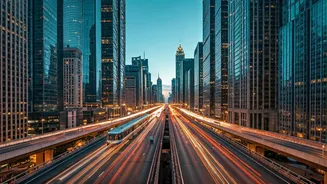







Introduction: The Commute
Commuting is a fact of life for many urban dwellers, but in some Asian cities, it consumes an astonishing amount of time. Understanding the cities with
the longest commutes provides insight into urban planning, infrastructure challenges, and the daily realities of millions. The data reveals that the daily commute can drastically shape one's quality of life. Long commutes can lead to less personal time, increased stress, and a diminished sense of well-being. This analysis identifies the cities where the struggle against time is most keenly felt by commuters.
10. Bangkok, Thailand
Bangkok, a city known for its vibrant street life and cultural richness, also grapples with significant traffic congestion. Commuters in Bangkok face extended travel times, often due to a combination of factors, including heavy traffic volume, inadequate public transportation infrastructure, and sprawling urban development. The complex road networks and the prevalence of private vehicles contribute to the gridlock experienced by many residents. The city's growth, coupled with the limitations of the current public transport system, amplifies the challenges commuters face every day, making the journey to and from work a major undertaking.
9. Manila, Philippines
Manila, the capital of the Philippines, presents another case of lengthy commutes. The city struggles with traffic congestion, a common characteristic of rapidly growing metropolitan areas. The traffic is often exacerbated by poorly maintained infrastructure, frequent vehicle breakdowns, and the sheer number of vehicles on the road. Public transportation options are sometimes overcrowded and inefficient, forcing many commuters to rely on private vehicles, thereby worsening the problem. Infrastructure projects and transportation reforms have been underway to ease these problems, but commuting remains a significant challenge for Manila residents.
8. Jakarta, Indonesia
Jakarta, a megacity in Indonesia, is notorious for its traffic woes, resulting in substantial commute times. This city's traffic congestion is a complex issue, affected by population density, limited road capacity, and the high number of private vehicles. The existing public transportation, while improving, still struggles to meet the demands of a large population, and many commuters have no option other than to drive. As Jakarta continues to expand and develop, managing the city's traffic becomes crucial to improving residents' overall quality of life and economic productivity, making the commute a topic of constant focus and concern.
7. Kuala Lumpur, Malaysia
Kuala Lumpur, a modern and developing city, also sees its share of long commute times, primarily due to rising vehicle ownership and traffic build-up. The city is growing, and this expansion often outpaces infrastructure development. While Kuala Lumpur has made significant investments in public transportation, including trains and buses, the existing infrastructure still has challenges, leading to long waits or crowded transport. Despite the initiatives to mitigate traffic, the balance between accommodating new residents and the city's limited infrastructure remains a problem. Daily commuters spend a considerable amount of time traveling to and from work.
6. Shanghai, China
Shanghai, a global financial hub, is a city where long commutes are common. With a massive population and a dense urban layout, the city's transport systems face significant pressures. The congestion is often compounded by heavy traffic in key areas during peak hours and the sheer scale of the city. While Shanghai boasts an extensive public transport network, including a comprehensive metro system, the demand is very high. With the growth of the city and its population, effective transport management continues to be one of the city's biggest logistical challenges. This impacts the quality of life for its residents.
5. Beijing, China
Beijing, the capital of China, contends with considerable commute times, primarily due to its enormous size and population. The city's sprawling layout, combined with high vehicle ownership, results in traffic jams. Despite a large public transport network, including subways and buses, many commuters still choose to drive. The demand on the road network, particularly during peak hours, is immense, leading to substantial delays and longer commute times. Environmental and logistical factors have created a complicated situation for the city, influencing residents' daily lives.
4. Seoul, South Korea
Seoul, a major metropolitan area in South Korea, sees significant commute times due to its high population density and urban development. While Seoul has a well-developed public transportation system, including a vast subway network, road traffic congestion remains a major issue, especially in key areas. The city’s efforts to improve its transport network do not always keep pace with its rapid population growth and urban sprawl. Commuters have come to expect longer times spent on their daily journeys, influencing the city's rhythm and its population's daily routine.
3. Tokyo, Japan
Tokyo, renowned for its efficiency and advanced infrastructure, still struggles with long commute times. Tokyo's sprawling metropolis and high population density contribute to significant traffic congestion, especially during peak hours. The efficient public transport is often overcrowded, especially on major lines, impacting commute durations. The city's continuous growth puts constant pressure on the existing transport network, even with continuous improvements. For those working in the city, long commutes have become a normal part of their lives, and the government and private sector continue to seek solutions to alleviate this burden.
2. Mumbai, India
Mumbai, the financial capital of India, presents an almost overwhelming challenge for commuters due to its high population density, inadequate infrastructure, and heavy traffic. The city's transportation infrastructure struggles to cope with the sheer number of people needing to travel daily. Commuters commonly deal with overcrowded trains, congested roads, and limited transport options, leading to extended travel times. Despite efforts to improve public transportation and reduce congestion, Mumbai's commuting challenges persist, impacting the well-being of its residents and businesses, leading to a constant search for better transit solutions.
1. Dhaka, Bangladesh
Dhaka, the capital of Bangladesh, faces the most extreme commute times among the cities covered in the study. Dhaka's traffic is known for its unpredictability, owing to the high number of vehicles, limited road capacity, and often, poorly maintained infrastructure. The city's public transport system faces challenges, with overcrowding and inefficiencies that increase commute durations. This congestion impacts residents' lives, affecting everything from economic productivity to personal time. Efforts to improve transportation, like expanding the metro system, aim to alleviate these issues and make commuting more bearable, though overcoming such widespread challenges takes time and commitment.