






Understanding Cooking Efficiency
When comparing cooking methods, efficiency plays a crucial role in determining overall cost. Traditional LPG stoves, while widely used, are known to be
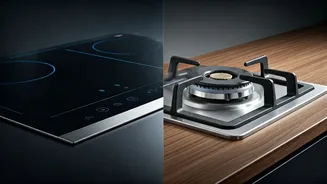
significantly less efficient due to heat loss. A substantial portion, nearly 60%, of the energy generated by a gas flame escapes into the surrounding air, meaning only about 40% of the paid energy is actually utilized for cooking. This inefficiency directly translates to higher consumption and, consequently, increased expenses over time. In contrast, induction stoves employ a sophisticated electromagnetic process. By creating a fluctuating magnetic field that directly heats the cookware, they bypass the ambient air, achieving a much higher efficiency rate, often around 90%. This means almost all the energy consumed is directed towards heating the food, leading to potentially substantial savings on energy bills for households and businesses alike, especially when considering the rising costs of both fuel and electricity.
Running Costs Comparison
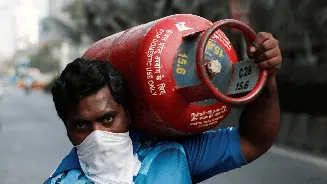
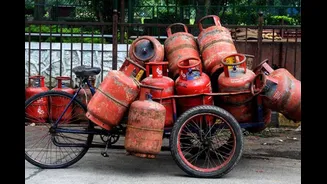
The daily operational expenses of cooking present a clear divergence between LPG and induction. An LPG cylinder, typically weighing 14.2 kg and non-subsidized, currently costs approximately ₹913 in major Indian cities. To achieve the same amount of useful cooking heat that one full LPG cylinder provides, an induction stove would consume around 78 units of electricity. Even if electricity is priced at a higher residential rate of ₹8 per unit, the total electricity expenditure amounts to roughly ₹624. This calculation indicates a monthly saving of nearly ₹300 when opting for induction over gas. The financial advantage can be even more pronounced in states like Tamil Nadu, where the initial 100 units of electricity per month are provided free for residential consumers, further reducing the running costs for induction users and making it a more economically attractive option for everyday cooking needs.
Initial Investment and Ancillary Costs
Transitioning to an induction cooking setup involves an upfront investment that differs from the initial costs associated with LPG stoves. Purchasing an induction cooktop itself typically ranges from ₹2,000 to ₹4,000, a price point comparable to a mid-range gas stove. However, a significant additional expense arises from the need for induction-compatible cookware. This includes specialized pots and pans, often made of stainless steel or cast iron with flat bottoms, which can collectively cost several thousand rupees for a complete set. Furthermore, increased electricity consumption from an induction stove could potentially push a household into a higher, more expensive billing slab for electricity, thus marginally increasing the overall monthly power bill. Despite these initial outlays for hardware and new cookware, studies suggest that the savings from lower daily running costs can often offset the total investment within a year, making it a financially sound long-term choice for many.
Commercial Kitchen Challenges
For commercial establishments, the decision between LPG and induction cooking is complicated by various operational and infrastructural constraints. Many restaurants and hotels are equipped with 'low tension current transformers' that operate at near full capacity, making it difficult to simply add substantial electrical equipment without significant upgrades. Installing high-tension electricity connections, which would be necessary to support multiple high-power induction appliances, represents a substantial capital expenditure, often two to three times higher than that for LPG-compatible equipment. For instance, retrofitting an existing kitchen with a compatible induction burner can cost an estimated ₹3.5 lakh. Moreover, consistent power availability is a critical concern; reliable backup power facilities are essential, adding to the overall cost and complexity. These factors, combined with potentially slower cooking times for certain dishes like dosas on electric tawas, often lead commercial kitchens to prefer the established convenience and infrastructure supporting LPG cylinders, despite the potential operational inefficiencies.