
JWST: Cosmic Explorer
The James Webb Space Telescope, often referred to as JWST, is a powerful space-based observatory. Its design and capabilities are optimized for observing
infrared light, which allows it to see through cosmic dust and detect light from the earliest stars and galaxies. JWST's primary mission is to study the formation and evolution of the universe, with a particular focus on the first galaxies and stars. The telescope's large mirror and advanced instruments enable it to collect data with unprecedented detail, providing astronomers with insights into the universe's history. Unlike its predecessor, the Hubble Space Telescope, JWST operates at infrared wavelengths, which are crucial for observing distant objects whose light has been stretched by the expansion of the universe. This allows JWST to see farther and deeper into space than ever before.
Black Hole Genesis
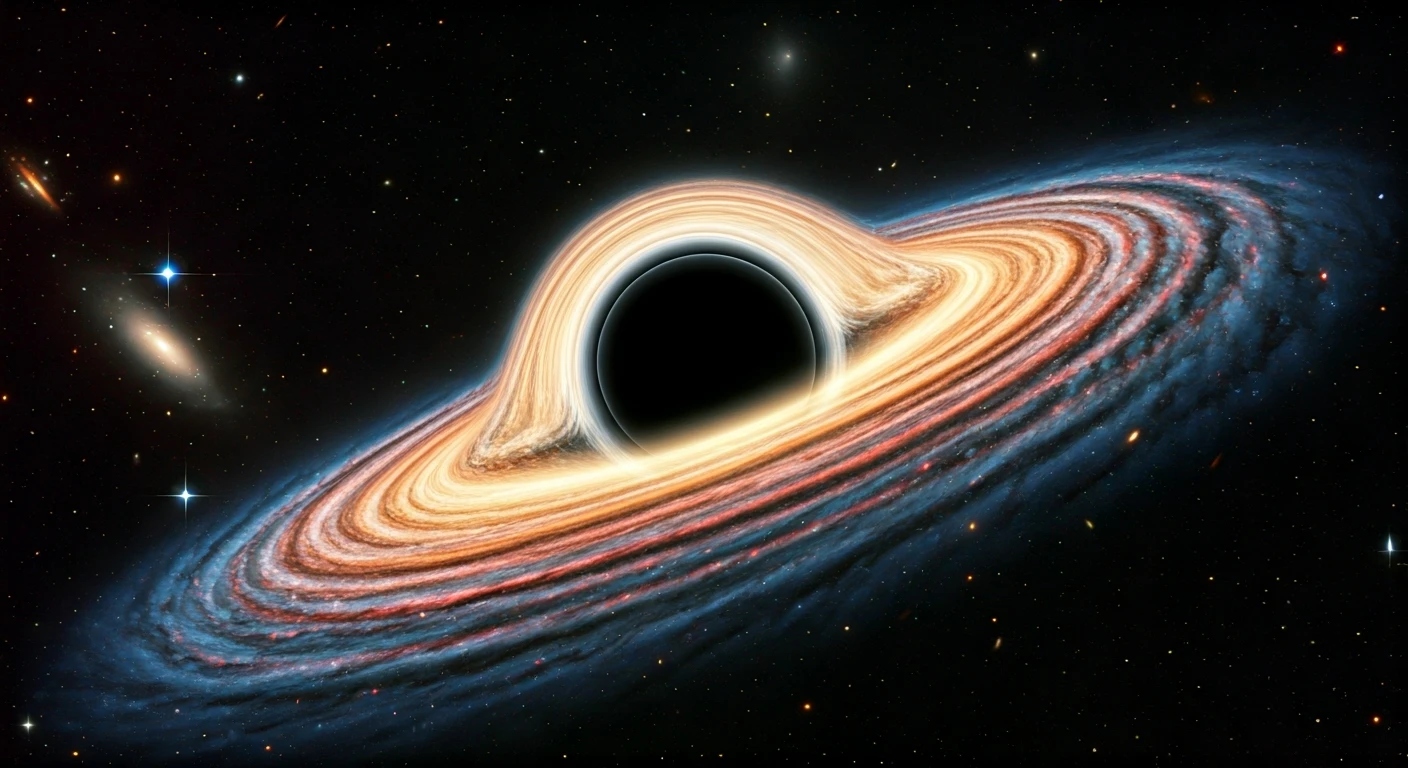
Supermassive black holes, found at the centers of most galaxies, are gargantuan objects with masses millions or even billions of times that of the Sun. One of the central questions in astronomy is how these behemoths formed so early in the universe's history. JWST is key to solving this puzzle because it can observe the very first galaxies where these black holes are believed to have originated. By analyzing the light from these early galaxies, astronomers can learn about the conditions that led to the formation of supermassive black holes. This includes studying the types of stars that existed, the density of matter in these regions, and the processes that caused the black holes to grow so rapidly in the early universe. JWST's data also allows scientists to test different theories about black hole formation, such as the direct collapse of massive stars or the merging of smaller black holes.
Early Universe Insights
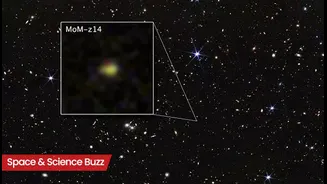
JWST's observations have revealed several key aspects of the early universe and the supermassive black holes within it. The telescope has identified galaxies that existed just a few hundred million years after the Big Bang, providing a glimpse into the conditions of this era. By studying the light from these galaxies, astronomers are gaining insights into the chemical composition, star formation rates, and the presence of supermassive black holes. JWST's data shows that supermassive black holes were more common and grew faster in the early universe than previously thought, challenging existing models of black hole formation. Furthermore, JWST's observations have helped to refine our understanding of how galaxies and black holes co-evolved, with the growth of one often influencing the other. The telescope continues to gather data, and new discoveries are constantly being made, furthering our understanding of the universe's origins.
Future Directions
The JWST's ongoing mission promises even more exciting discoveries about the early universe and supermassive black holes. Astronomers are using the telescope to conduct deeper surveys of the sky, identifying more distant galaxies and studying their properties in greater detail. Future research will focus on several key areas. These include: searching for the earliest black holes, studying the environments in which they formed, and investigating how they influenced the evolution of galaxies. Moreover, JWST will continue to be used to analyze the light from the early universe, providing more insight into the processes that shaped the cosmos. New data from JWST is expected to lead to breakthroughs in our understanding of how the first galaxies, stars, and black holes formed, providing a more complete picture of the universe's evolution.