




Vitamin C Introduction
Vitamin C, scientifically known as ascorbic acid, is a vital nutrient necessary for various bodily functions. It's a powerful antioxidant, shielding cells
from damage and supporting the immune system. This water-soluble vitamin plays a key role in collagen formation, which is crucial for skin, bones, and blood vessels. Vitamin C isn't naturally produced by the human body, making dietary intake essential. The absorption of Vitamin C from food or supplements relies on several factors, including overall health and the presence of other nutrients. The recommended daily intake varies depending on age, sex, and health status, but generally, it's advised to ensure a sufficient intake through a balanced diet, incorporating citrus fruits, berries, and leafy green vegetables.
Digestion and Vitamin C
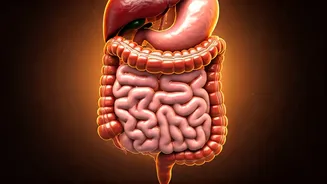
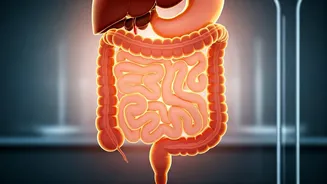
The digestive system is a complex network responsible for breaking down food and absorbing nutrients. The transit time of food through the digestive tract can vary significantly depending on diet, hydration, and overall health. Vitamin C can interact with the digestive process in a few ways. Firstly, it can influence the movement of food through the intestines. Secondly, Vitamin C can have an osmotic effect. This means it can draw water into the intestines. Thirdly, high doses of Vitamin C may lead to loose stools or even diarrhea in some individuals, particularly those unaccustomed to such intake levels. Moreover, the body's response to Vitamin C varies based on individual tolerance and the presence of other substances in the diet.
Vitamin C Dosage Considerations
The impact of Vitamin C on bowel habits is often dose-dependent. Low to moderate intakes of Vitamin C from food sources usually don't cause significant changes in bowel movements for most people. However, higher doses, typically through supplements, may cause noticeable effects. The body's capacity to absorb Vitamin C is limited, and any excess is usually excreted through urine. When the saturation point is reached, the surplus can end up in the intestines, exerting an osmotic effect. People who are sensitive to Vitamin C, or those with existing digestive issues, might experience increased bowel activity or discomfort even with moderate doses. Individuals considering taking high-dose Vitamin C supplements must consult with a healthcare professional to determine a safe and appropriate dosage. The potential benefits and side effects of varying doses should always be considered.
Dietary Sources Explored
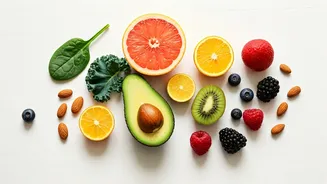
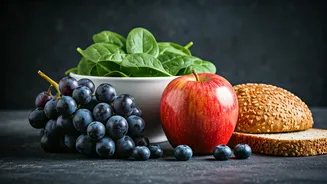
Consuming Vitamin C through dietary sources is generally considered the safest and most natural approach. Various fruits and vegetables are excellent sources of Vitamin C. Citrus fruits like oranges, grapefruits, and lemons are renowned for their high Vitamin C content. Berries such as strawberries, blueberries, and raspberries also provide a substantial amount. Leafy green vegetables, including spinach, kale, and bell peppers, are rich in Vitamin C and fiber, supporting digestive health. The bioavailability of Vitamin C from food is often superior to supplements. Incorporating a variety of these foods into your daily diet ensures a steady supply of Vitamin C, while simultaneously providing other essential nutrients that promote overall well-being. Focusing on whole, unprocessed foods is a key strategy for optimal health.
Individual Variability Noted
Individual responses to Vitamin C intake can vary significantly. Factors that play a role include an individual's existing gut health, diet, and overall health status. People with irritable bowel syndrome (IBS) or other digestive disorders may be more sensitive to changes in Vitamin C levels. Their bowel movements can be more easily influenced by diet and supplements. The body's ability to absorb and utilize Vitamin C can also fluctuate, depending on factors such as stress, smoking, and the presence of certain medications. It's therefore essential to observe how your body reacts to different dosages. Keeping a food diary to track Vitamin C intake, along with any changes in bowel habits, can provide valuable insights. This personalized approach to understanding how Vitamin C affects your digestion helps optimize your diet and lifestyle for digestive health.