






Size and Scale
The world's largest beaver dam presents a stunning example of animal engineering. This mega-structure is so immense that it is visible from space, allowing
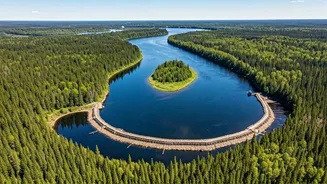
for easy observation by satellites and astronauts. Its sheer size serves as a testament to the dedication and tireless effort of the beavers that constructed it. Analyzing its dimensions, the dam stretches across a significant area, becoming a prominent feature within the landscape. The dam's size reflects the collective work of many beavers over several years, creating a complex and sophisticated system designed to reshape the environment.
Beaver Builders
Beavers, the architects behind this incredible dam, are known for their exceptional ability to manipulate their surroundings. These semi-aquatic rodents possess an innate skill for construction, transforming landscapes to meet their needs. They carefully select materials like trees, branches, and mud, strategically placing them to build a robust dam. Their primary motivation is to create a suitable habitat, as the dam establishes a pond, which acts as a protective barrier from predators and provides access to food resources. Through this impressive feat of engineering, beavers not only create homes for themselves but also significantly influence the surrounding ecosystem, impacting water flow, vegetation, and other animal species.
Ecological Impact
The construction of such an enormous beaver dam significantly impacts the environment. The dam’s presence transforms the landscape by creating a pond, changing the habitat from free-flowing water to a calm water body. This alteration benefits various species by providing them with a secure environment and a reliable water source, resulting in increased biodiversity. Additionally, the impounded water can provide flood control and enhance the water table levels. Such activities influence the whole ecosystem. Beavers, in building these dams, inadvertently shape their surrounding landscape, fostering a rich environment. These changes show the significant effect one species can have on its surroundings, generating a more diverse and functional environment.
Viewing from Space
The ability to observe the world's largest beaver dam from space reveals its extraordinary scale. This unique perspective allows scientists and the general public to understand the impact these structures have on the landscape. Using satellite imagery, the dam's extensive size and intricate construction are easily visible. From orbit, the complex network of channels and ponds created by the beavers becomes apparent. This offers a clear visual that cannot be appreciated from the ground, offering insights into the relationship between these animals and their habitat. It demonstrates the remarkable ability of technology to aid in understanding ecological dynamics, showcasing the wonders that exist on Earth.