






The Mysterious Sweet Urge
Many individuals experience a distinct desire for something sweet immediately following a full meal, despite not feeling true hunger. This phenomenon is often
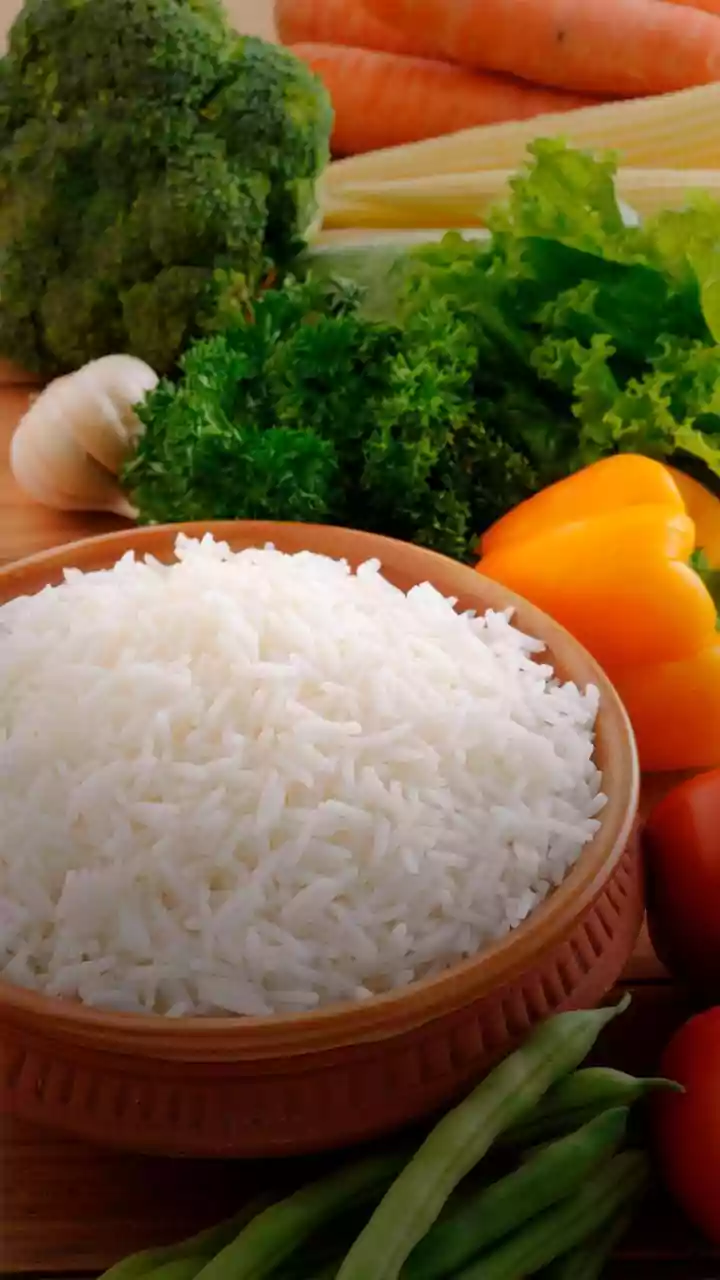
dismissed as a mere preference or a cultural habit. However, emerging scientific understanding suggests a deeper cause: a potential metabolic imbalance. When meals are heavily reliant on carbohydrates, especially refined ones like rice and roti, they cause a rapid surge in blood glucose. The body's response involves releasing insulin to lower these levels. If the meal lacks sufficient protein and fiber, this blood sugar spike can be followed by an equally swift decline. This rapid drop signals the brain that the body requires immediate energy, often translating into a strong craving for sugar, a state sometimes referred to as reactive hypoglycemia, though most experience it simply as an irresistible urge.
Protein: The Missing Link
A significant contributor to persistent post-meal sweet cravings is the insufficient intake of protein. Protein's role extends beyond muscle building; it's crucial in regulating how the body processes food. It effectively slows down digestion and helps maintain stable blood sugar levels, fostering a sense of fullness that carbohydrates alone cannot provide. When meals are protein-deficient, the body misses out on these vital satiety signals, prompting the brain to seek quick energy sources, predominantly sugar. Clinical studies indicate that incorporating around 20–30 grams of protein per meal can substantially reduce these after-meal desires. This suggests that adjusting the composition of our meals, rather than simply increasing portion sizes, is key to managing these urges and achieving better metabolic control.
Gut Microbiome's Influence
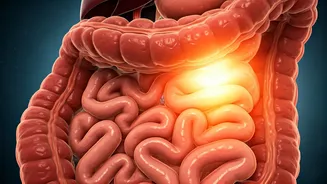
The health of our gut microbiome also plays a surprising role in post-meal sweet cravings. The trillions of bacteria residing in our digestive system adapt to the foods we consume. Diets rich in simple carbohydrates tend to promote the growth of sugar-loving bacteria. Consequently, if your typical meals are low in protein and high in refined carbs, your gut bacteria may actively influence your food choices, nudging you towards sugary options. This is not merely a matter of willpower; it's a biological feedback loop where your internal microbial environment reinforces a preference for sweets, making it harder to resist them.
Psychological Conditioning
Beyond the physiological explanations, psychological factors contribute to persistent sweet cravings. Over time, our brains can form associations, linking the end of a meal with a pleasurable reward, often a sweet treat. This learned behavior triggers a small release of dopamine, creating a feeling of completion. Therefore, even when the body's nutritional needs are met, the ingrained habit of consuming something sweet can persist. However, maintaining stable blood sugar levels through balanced meals can help mitigate these psychological cravings, reducing the battle between biological needs and learned behaviors.
Strategies for Balance
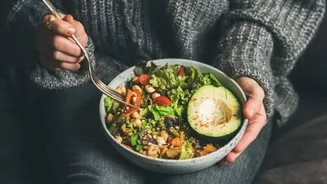
Breaking the cycle of post-meal sweet cravings doesn't necessitate complete sugar abstinence. Instead, focusing on small, impactful dietary adjustments is more effective. Prioritizing protein-rich foods like eggs, dal, paneer, tofu, or fish in every meal can significantly alter post-meal satisfaction. Pairing these with fiber-rich vegetables further aids in slowing digestion positively. Adequate hydration is also essential, as mild dehydration can sometimes be misinterpreted as a craving. Furthermore, ensuring sufficient sleep is crucial, as fatigue can disrupt hunger hormones and lead to increased sugar-seeking behavior. By addressing both nutritional gaps and habitual patterns, individuals can regain control over their cravings.