
Solar Maximum Peak
In the upcoming year, the sun's activity is expected to reach its solar maximum, the period when the sun's magnetic field is at its strongest. This heightened
activity drives increased solar flares and coronal mass ejections (CMEs). These events release massive amounts of energy and charged particles into space. When these particles interact with Earth's magnetic field, they can cause geomagnetic storms, which are the primary driver of auroras. The year 2026 is poised to be an active year for solar events and their impact on Earth.
Geomagnetic Storms
Geomagnetic storms, triggered by solar events, can have a range of effects. While they are responsible for the spectacular auroras, they also pose potential risks. Intense geomagnetic storms can disrupt satellite communications, impact power grids, and interfere with radio transmissions. The intensity of these storms is measured on a scale, with stronger storms producing more dramatic auroras and potentially more significant disruptions. Understanding these storms is crucial, as they influence both our ability to view the night sky and the functionality of our technologies.
Auroral Displays
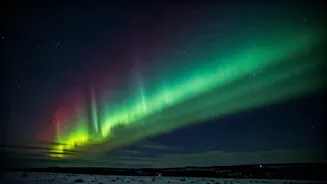
Auroras, often called the Northern or Southern Lights depending on the hemisphere, occur when charged particles from the sun interact with Earth's atmosphere. These interactions cause gases in the atmosphere to glow, producing vibrant displays of light. The colors of an aurora depend on the type of gas that is energized. For instance, oxygen usually emits a green or red color, while nitrogen emits blue and violet hues. In 2026, the increased solar activity could make the auroral displays more frequent and intense, potentially visible farther from the poles.
Impacts of Solar Flares
Solar flares are sudden bursts of energy from the sun that emit intense radiation. These flares can impact Earth in several ways. While the radiation from solar flares doesn't reach the Earth's surface, they can disrupt radio communications, especially at high frequencies. They can also affect satellite operations, potentially causing damage or interference. Furthermore, the energetic particles released during flares can increase radiation exposure for astronauts and affect air travel by increasing radiation exposure at high altitudes. Therefore, the solar maximum in 2026 also brings potential challenges to our technological infrastructure.
Viewing the Aurora
To increase your chances of seeing the aurora borealis in 2026, it is useful to be prepared. One should monitor space weather forecasts, which provide alerts on geomagnetic activity. These forecasts help pinpoint the best times and locations for viewing. It's often best to find a location away from city lights, as light pollution can obscure the faint glow of the aurora. The best viewing opportunities occur during the dark hours of the night. Also, aurora viewing can be influenced by weather, and a clear, dark sky is essential for visibility.