


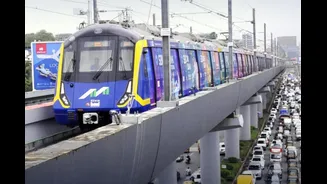
Metro 9's Strong Start
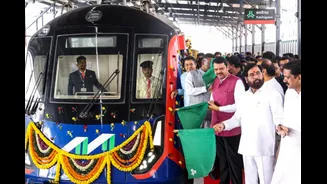
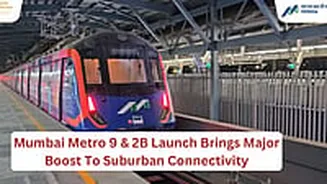
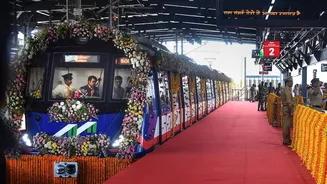
The initial day of operations for Mumbai Metro Line 9, specifically the Kashigaon to Dahisar stretch, was met with enthusiastic adoption by commuters.
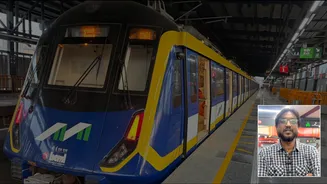
This segment, now seamlessly connected with Line 7 all the way to Gundavali, immediately began to offer tangible benefits. Passengers reported substantial time savings, with daily journeys being cut by an estimated 15 to 20 minutes. This new corridor provides a significantly more comfortable travel alternative compared to navigating congested roadways or enduring overcrowded local trains. The positive ridership was evident across all five stations operating between WEH and Saki Naka. For residents of Mira Road and Bhayander, a major source of relief was bypassing the notorious traffic bottleneck at Dahisar check naka. Many commuters, like Hari Pal, a logistics professional heading to Andheri East, expressed that the metro has transformed their daily commute from a struggle into a smooth and efficient experience. Vaibhav Singh, a resident of Bhayander East, highlighted how his travel time to Andheri, which previously took around 45 minutes via Bhayander station, has been drastically reduced, saving both time and providing a more pleasant journey than bus travel. Students and families also found the metro to be a more economical and convenient option than auto-rickshaws or other modes of transport.
Line 2B's Muted Reception
In stark contrast to the vibrant activity on Metro Line 9, the inaugural day of Metro Line 2B's initial phase, connecting Mandale to Diamond Garden in Chembur, saw a considerably subdued commuter response. The ridership was notably low, with one station staffer reporting fewer than 250 passengers by mid-afternoon. This tepid turnout is largely attributed to the corridor's current limited connectivity. Many commuters found the line, in its present configuration, to be impractical for their daily work commutes as it does not yet connect with essential transport modes like the monorail or major business districts. Infrastructure enthusiasts pointed out that the true potential of Line 2B will only be realized once it extends to crucial interchange points and commercial hubs such as Kurla, Bandra, and Andheri. It is anticipated that once these key areas are integrated, Line 2B will develop into a vital east-west mobility artery for the city. Unlike in previous metro line inaugurations where commuter figures were promptly shared, the Mumbai Metropolitan Region Development Authority (MMRDA) had not released official ridership numbers for Line 2B by the time of reporting.
Commuter Perspectives & Future Hopes
For many who braved the initial launch, the new metro lines represent a long-awaited improvement in urban transit. Regular users of the Mira Road and Dahisar stations, who have long suffered from overcrowded local trains, described the new service as 'better late than never,' finally offering them an escape from packed commutes. Women commuters specifically noted the convenience of not having to wait for buses anymore. However, some passengers on Line 9 also raised concerns regarding safety, suggesting that the implementation of platform screen doors would significantly enhance passenger security, a feature currently managed by station guards with whistles. Looking ahead, the success of Line 9 and the potential of Line 2B are clear indicators of Mumbai's expanding metro network. While Line 9 is already making a positive impact by shaving off travel time and reducing road congestion, the full realization of Line 2B's utility hinges on its future extensions to connect it with more critical parts of the city. The contrasting opening days highlight the importance of strategic connectivity and infrastructure integration in determining the immediate public uptake and long-term success of new public transport systems.