






Beyond Paste: A Culinary Leap
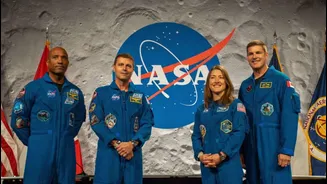
The Artemis II mission marks a significant departure from traditional space food, which often conjures images of basic pastes and tubes. Instead, astronauts
embarking on this 10-day lunar journey will experience a thoughtfully curated selection of 189 distinct food and beverage items. This extensive menu includes everything from zesty hot sauces to comforting hot drinks and full meals, showcasing how scientific advancement and the need for familiar comforts are harmoniously blended for extended space travel. The food system for Artemis II represents a forward-thinking approach to astronaut nutrition and morale, making space dining a more enjoyable and sustainable experience.
Diverse Menu, Happy Astronauts
NASA has unveiled an impressive array of over 189 food and drink items for the Artemis II astronauts, a considerable enhancement from previous space missions. The selection features more than ten different beverages and five varieties of hot sauce, alongside popular dishes such as barbecued beef brisket, mango salad, macaroni and cheese, and spicy green beans. Additionally, staples like nuts, granola, and tortillas are included, along with treats like maple cream cookies. This deliberate variety aims to combat 'menu fatigue,' ensuring that astronauts remain satisfied and their spirits high throughout the mission. The careful selection process considers nutritional value, shelf-life, astronaut preferences, and the practical constraints of spacecraft design; for instance, tortillas are favored over bread due to their lower crumb production in microgravity, a crucial factor for equipment safety.
Spice and Sips in Orbit
The inclusion of five distinct hot sauces on the Artemis II menu is more than just a culinary choice; it's rooted in science. In the microgravity environment of space, astronauts often experience a diminished sense of taste due to fluid shifts in their bodies. Consuming spicy foods can help counteract this effect, revitalizing their palates and making meals more enjoyable. Complementing the flavorful food, the beverage selection is equally robust, featuring essential daily drinks like coffee, alongside green tea, lemonade, apple cider, and cocoa, providing a range of comforting and energizing options for the crew.
Preparing for Space Dining
Eating in space presents unique challenges, primarily the absence of refrigeration, necessitating that all food be 'shelf-stable' for extended periods. Artemis II's food preparation follows a meticulous process. Meals are typically freeze-dried or thermostabilized, requiring astronauts to rehydrate them using a specialized water dispenser. Heating is accomplished using a briefcase-style warmer, and all packaging is ingeniously designed to prevent crumbs from dispersing and causing potential hazards in the microgravity environment. NASA emphasizes that space food must be easily prepared and consumed, while also delivering essential nutrition to maintain astronaut health and performance.
Human Touch, Essential Comfort
In a significant evolution from past missions, Artemis II offers its crew the personal touch of selecting their meals in advance, fostering a more individualized and comforting experience. This approach acknowledges the psychological importance of food, incorporating familiar cultural items like Canadian maple cookies and beloved comfort foods. The aim is to enhance astronaut morale by providing flavors that evoke home and provide emotional support. Recognizing that food is more than mere sustenance, space agencies now understand its profound impact on an astronaut's well-being and mental resilience during long-duration missions.
Future of Space Dining
The Artemis II menu serves as a powerful symbol of the evolving landscape of space exploration, where the focus is shifting beyond mere survival to encompass sustainability, astronaut performance, and an improved quality of life. As missions to Mars draw nearer, NASA is actively refining space food to be not only nutritious and durable but also convenient for preparation and, crucially, enjoyable to eat. This commitment to enhancing the astronaut dining experience underscores the understanding that even millions of miles from Earth, a well-prepared and familiar meal plays a vital role in the success and well-being of spacefarers.