
Solar Maximum Explained
The sun operates on an approximate 11-year cycle, swinging between periods of high and low activity. The peak of this cycle is called the solar maximum.
During solar maximum, the sun's magnetic field becomes tangled, resulting in increased sunspots, solar flares, and coronal mass ejections (CMEs). These events release massive amounts of energy and charged particles into space. When these particles interact with the Earth's magnetic field, they can cause geomagnetic storms.
Geomagnetic Storms and Auroras
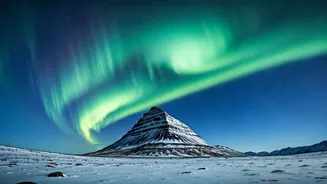
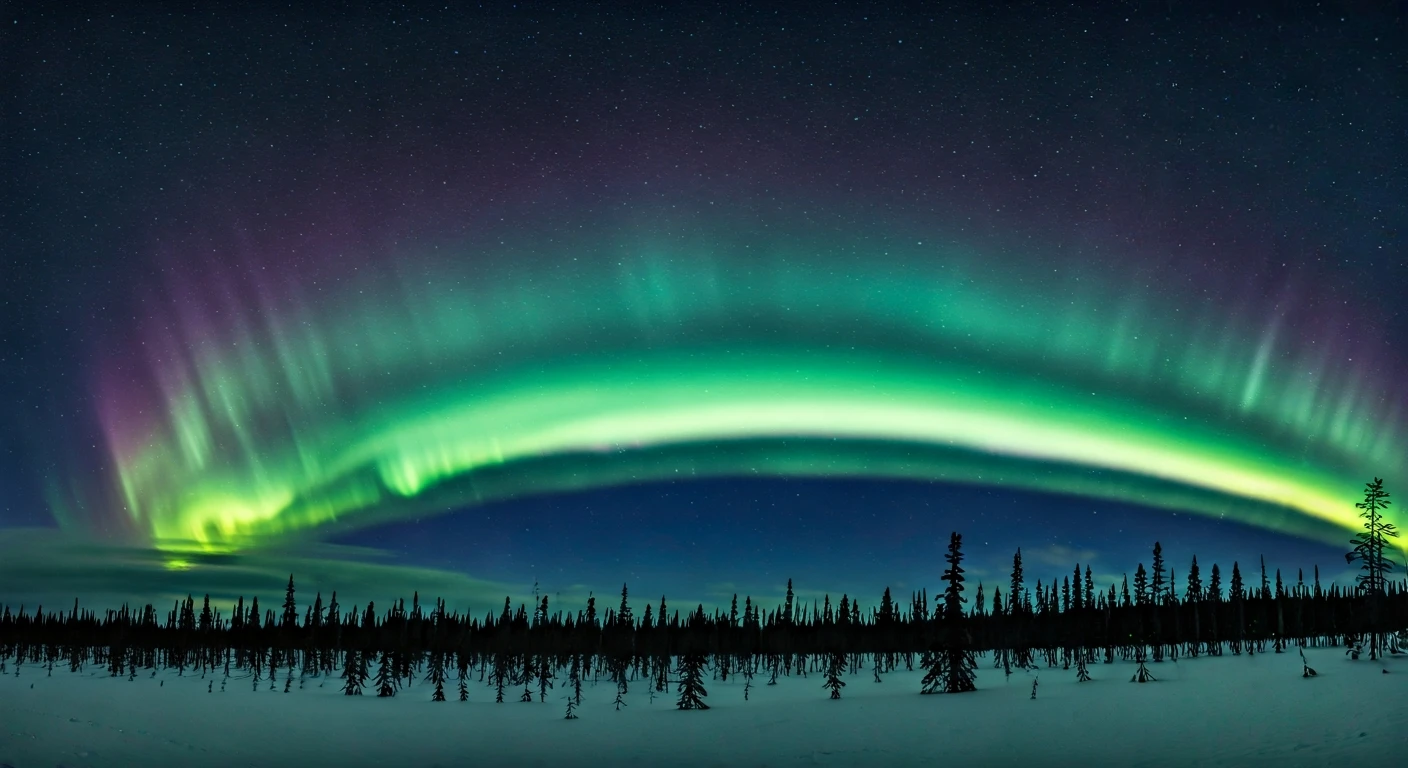
Geomagnetic storms, triggered by solar activity, can disrupt power grids and communication systems, and are also the driving force behind auroras. Auroras, commonly known as the Northern and Southern Lights, are stunning displays of light in the sky. They occur when charged particles from the sun interact with the Earth's atmosphere. The colors of the auroras depend on the type of gas atoms that are excited and the altitude at which they are excited. The most common colors are green, red, and blue.
2026: A Promising Year
Astronomers predict that 2026 will be near the solar maximum, meaning an increase in solar activity. This increased activity raises the chances of more frequent and intense geomagnetic storms. The stronger storms are more likely to create dazzling auroral displays visible at lower latitudes. This makes 2026 an especially exciting year for those who enjoy gazing at the night sky. The increased solar activity isn't just about pretty lights; it also means more opportunities to study the sun and its impact on Earth.
Witnessing the Spectacle
To increase your chances of seeing the auroras, find a location away from light pollution. Clear nights are best for viewing the aurora. The further north you are, the higher the chance of sighting auroras. Keep an eye on the geomagnetic storm forecasts. Many websites and apps provide real-time data about solar activity and auroral predictions. Being prepared helps you know when and where to look for the most impressive displays. The convergence of science and natural beauty creates an awe-inspiring experience for any observer.
The Impact on Earth
While the prospect of stunning auroras is exciting, it's also important to understand the potential downsides of heightened solar activity. Strong geomagnetic storms can interfere with satellite communications, disrupt GPS signals, and even damage power grids. These disruptions can have consequences, from affecting our everyday life to interfering with critical infrastructure. Researchers and scientists are constantly working to improve forecasting and mitigation strategies for these events. This involves monitoring the sun, studying the effects of space weather, and developing technologies to protect our essential systems.