






Strength Over Cardio
Forget endless miles on the treadmill; a groundbreaking study suggests that the key to living longer after 60 might be found in your ability to perform
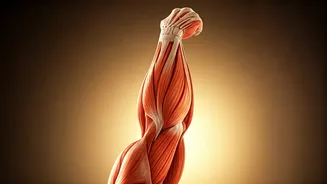
simple physical tasks. Researchers followed over 5,000 women aged 63 to 99 and discovered a significant link between muscular strength and longevity. Specifically, two straightforward strength assessments—a handgrip test and the ability to complete five unassisted sit-to-stand chair rises as quickly as possible—were strongly correlated with a reduced risk of death over an eight-year period. This finding is particularly impactful as it held true even when researchers accounted for the participants' aerobic activity levels and sedentary time, as measured by accelerometers. Furthermore, the study adjusted for gait speed, a known indicator of cardiovascular health, and C-reactive protein levels, a marker for inflammation associated with muscle decline and premature mortality. Despite these controls, muscle strength emerged as a paramount factor for predicting survival, highlighting its independent importance.
Grip and Chair Power
The quantitative findings of the study are compelling: for every 7 kilograms (approximately 15.4 pounds) increase in grip strength, participants demonstrated an average reduction in mortality rate of 12%. Similarly, the speed at which women could perform chair rises also proved to be a significant predictor. Progressing from slower to faster chair-stand times, measured in 6-second intervals, was associated with a 4% lower mortality rate. These tests were chosen for their practicality in clinical settings, being quick, cost-effective, and closely mirroring essential daily functions. A strong grip often reflects overall muscle capacity, while the chair stand exercise assesses lower-body power, coordination, and the critical ability to overcome gravity—skills vital for maintaining independence and preventing falls. These everyday movements are foundational for continuing an active lifestyle, underscoring the interconnectedness of strength and mobility in aging well.
Strength as a Foundation
As study lead author Michael LaMonte explains, adequate muscle strength is fundamentally enabling for movement, particularly when combating gravity. He emphasizes that without sufficient strength to rise from a chair, engaging in aerobic activities like walking becomes challenging. This highlights why a holistic approach to healthy aging likely requires a balance of both aerobic exercise and muscle-strengthening activities. When an individual loses the capacity to perform basic movements like standing up from a chair, their overall well-being and independence are severely compromised. This research is notable for being the most extensive study to date specifically examining the relationship between muscle strength and longevity in women over 60, incorporating a comprehensive array of health metrics that many previous large-scale studies lacked. The rigorous analysis allowed researchers to isolate the independent contribution of muscular strength to survival.
Beyond Body Metrics
The researchers went further to ensure their findings were robust, demonstrating that body size and composition did not skew the results. Even after adjusting strength measurements for body weight and lean body mass, the association between higher muscular strength and lower mortality remained statistically significant. This indicates that strength itself, rather than just a larger physique, is the protective factor. Furthermore, the benefits of muscle strength extended to women who did not meet current physical activity guidelines, which recommend 150 minutes of moderate-intensity aerobic activity per week. LaMonte considers this a crucial advancement, strengthening the evidence for incorporating muscle strengthening into public health recommendations, especially for older adults, a demographic experiencing rapid growth. The implications for public health policy are substantial, given that women aged 80 and over represent the fastest-growing segment of the U.S. population, making the maintenance of muscle strength a critical focus for future health initiatives.
Building Your Strength
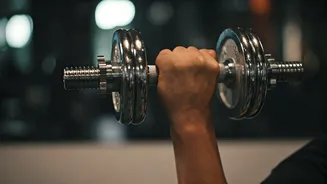
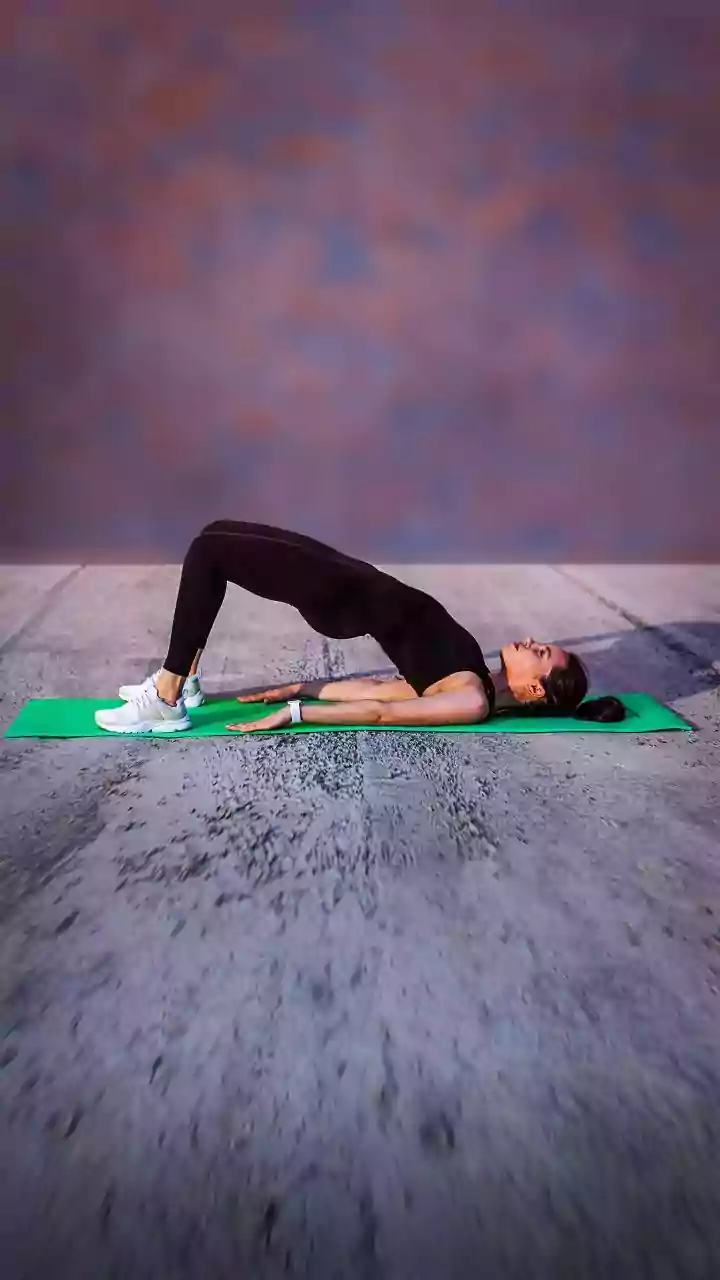
Fortunately, enhancing muscle strength doesn't require specialized equipment or gym memberships. A variety of methods can be employed, including traditional weight training with free weights or machines, as well as bodyweight exercises like modified push-ups, wall presses, and knee bends. For those seeking simpler alternatives, everyday household items such as soup cans or books can serve as effective resistance tools, providing the necessary stimulus for skeletal muscles, particularly for individuals who may have limited access to other options. However, safety is paramount, especially for older adults who might have pre-existing conditions like pain, balance issues, or chronic illnesses. It is always advisable to consult a healthcare provider before starting any new strength training regimen. For individuals new to strength work, seeking guidance from a physical therapist or exercise specialist can be invaluable for learning proper form, tailoring exercises to individual needs, and setting realistic goals that promote stability and confidence while minimizing the risk of injury.