








Solar Maximum Explained
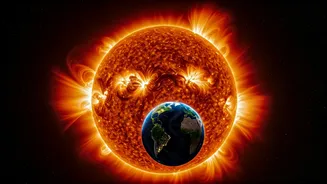
The sun's activity isn't constant; it follows an approximately 11-year cycle known as the solar cycle. During the peak of this cycle, called solar maximum,
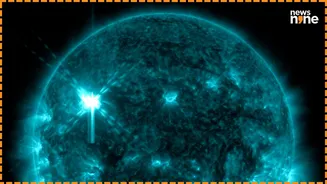
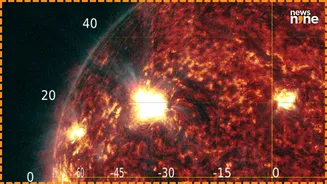
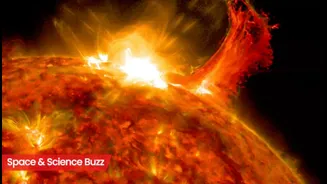
the sun exhibits heightened activity, including increased sunspots, solar flares, and coronal mass ejections. These events release massive amounts of energy and charged particles into space. When these particles interact with Earth's magnetic field and atmosphere, they cause auroras. The year 2026 is projected to fall within a period of increased solar activity, potentially leading to more frequent and intense auroral displays. This is due to the post-solar maximum storms that are expected to surge during this time.
Auroras: A Cosmic Dance
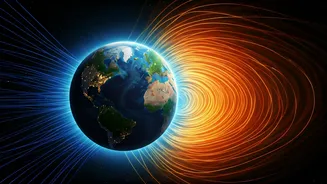
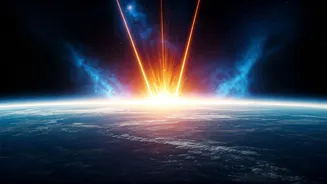
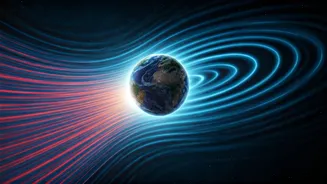
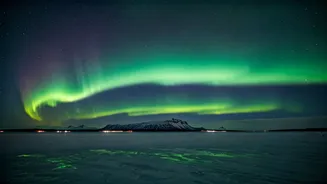
The formation of auroras, whether the Northern Lights (aurora borealis) or the Southern Lights (aurora australis), is a breathtaking display of nature's artistry. Solar particles, expelled from the sun during events like solar flares, travel through space and eventually collide with Earth's magnetic field. This interaction channels these particles toward the polar regions. As these charged particles enter the atmosphere, they collide with gases like oxygen and nitrogen. These collisions excite the gas molecules, causing them to emit light. Oxygen produces green and red hues, while nitrogen creates blue and purple colors. The specific colors and patterns depend on factors such as the type of gas, altitude, and energy of the solar particles.
Predicting the Spectacle
Predicting auroral displays involves studying solar activity and understanding how it affects Earth. Scientists monitor the sun for indicators like sunspots and solar flares. Space weather forecasting tools help estimate the intensity and location of auroras based on the timing and energy of solar events. The NOAA (National Oceanic and Atmospheric Administration) issues solar storm watches to alert about potential geomagnetic activity that could lead to auroras. Although precise forecasting is challenging, these predictions help aurora viewers plan their viewing experiences and increase their chances of witnessing the lights. Increased solar activity during 2026 is very likely to increase the frequency of aurora sightings.
Optimal Viewing Locations
To catch the Northern Lights, you should select locations with minimal light pollution and clear skies. The auroral oval, a ring-shaped region around the magnetic poles, is where the lights are most frequently visible. Popular viewing spots include areas near the Arctic Circle, such as northern Canada, Alaska, Iceland, Norway, Sweden, and Finland. High-altitude locations provide better viewing opportunities because they offer clearer views of the horizon, and there is less chance of cloud interference. Checking the local weather forecast is crucial, ensuring clear skies. Using aurora forecasting apps and websites can help identify the best times to go out. The combination of dark skies and active auroral conditions maximizes the chances of a successful sighting.
Beyond the Beauty
The increased solar activity during the 2026 solar maximum can bring both stunning natural displays and potential challenges. Geomagnetic storms can affect satellite signals, radio communications, and even power grids. High-frequency radio communications may experience disruptions. It's essential for satellite operators and other industries to be prepared for this increased space weather. The anticipation of more frequent auroras creates opportunities for tourism in aurora-viewing locations, boosting local economies. The phenomenon also sparks scientific research as researchers use these events to study the interaction between the sun and Earth, which is invaluable for understanding the broader universe.