


Demand Surges Sharply
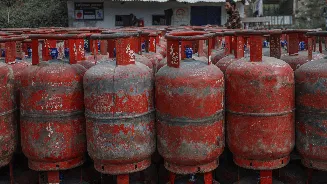
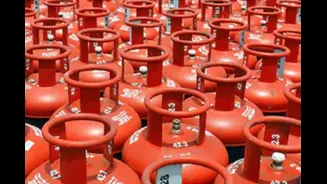
Recent anxieties surrounding the supply of Liquefied Petroleum Gas (LPG) have triggered a noticeable surge in consumer interest and purchasing of electric
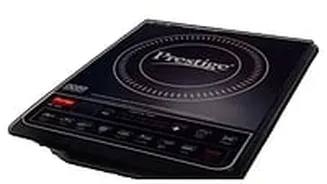
cooking appliances. Retailers are reporting a dramatic uptick in sales, with some experiencing demand levels up to three times their usual daily rates. This phenomenon isn't limited to a single product; sales of induction cooktops have seen an astonishing increase, with one report indicating a 30-fold jump over a short period. Beyond cooktops, electric kettles have also witnessed a significant boost in popularity, with sales nearly doubling. This widespread adoption suggests that households are actively seeking dependable and convenient alternatives to traditional LPG cooking methods, driven by a desire for uninterrupted meal preparation. The trend indicates a proactive approach by consumers to secure their cooking needs amidst supply uncertainties.
Consumer Behavior Shifts
The elevated demand for electric cooking appliances is accompanied by a distinct change in consumer purchasing habits. Previously, it was uncommon for individuals to buy multiple units of such devices at once. However, recent observations indicate a trend of customers purchasing several units concurrently, a clear sign of precautionary buying. This behavior suggests a heightened sense of urgency and a strategic effort by households to ensure they have ample backup cooking solutions. In addition to induction cooktops and electric kettles, other appliances like rice cookers and electric pressure cookers are also experiencing a substantial increase in sales, with figures showing a four-fold rise. Even air fryers and multi-use kettles are seeing a doubling of their usual sales figures. This broad-based increase across various electric kitchen gadgets highlights a significant pivot in how consumers are approaching their cooking needs.
Reliable Alternatives Emerge
As concerns regarding LPG supply persist, electric cooking solutions are increasingly being recognized as both reliable and convenient alternatives for households. This growing perception is fueling a strong momentum in the adoption of these appliances. Companies are working to maintain robust availability across their physical stores and online platforms to meet this escalating demand. The manufacturers themselves are also planning to scale up their production capabilities in anticipation of sustained consumer interest in energy-efficient and alternative cooking methods. This strategic move aims to ensure that supply can keep pace with the projected long-term preference for these more resilient cooking options. The shift signifies a potential long-term change in kitchen appliance preferences, moving towards greater diversification of cooking energy sources.
Government Assurances Amidst Concerns
Despite the palpable consumer anxiety driving the rush for electric appliances, a senior official from the Oil Ministry has reassured the public, stating there is no cause for panic regarding LPG cylinder bookings. The normal delivery cycle, typically around 2.5 days, is reportedly continuing without disruption. Furthermore, India's crude oil supplies are confirmed to be secure, with sourcing routes established to bypass potential chokepoints like the Strait of Hormuz. Government initiatives have also led to a notable 25% increase in domestic LPG production. However, it is acknowledged that wider energy supply disruptions linked to ongoing conflicts have imposed limitations on the continuous supply of LPG to industrial and commercial consumers at this present time. This dual messaging aims to balance immediate supply realities with long-term security assurances.