





Addressing Congestion Crisis
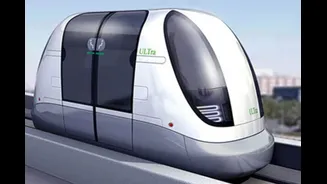
The bustling Bandra-Kurla Complex (BKC) in Mumbai is gearing up to implement a groundbreaking driverless pod taxi system, an elevated transit solution
designed to significantly reduce last-mile traffic congestion. This forward-thinking initiative, spearheaded by the Mumbai Metropolitan Region Development Authority (MMRDA), is projected to benefit an estimated 4 to 6 lakh daily commuters. The urgency for such a system is amplified by upcoming infrastructure developments like the bullet train corridor and new commercial ventures, which are anticipated to further strain the already pressured road networks within this vital business hub. By offering an efficient and automated mode of transport, the aim is to alleviate the growing burden on existing roads and provide a more convenient travel experience for those navigating BKC and its surrounding areas.
Elevated Pod Network
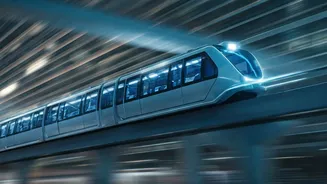
This innovative transit system will feature pods gliding along an elevated track, encompassing a network of 38 strategically placed stations. These autonomous vehicles are engineered to reach speeds of up to 40 kilometers per hour, with each pod capable of accommodating approximately six passengers. The MMRDA has confirmed that these pods will be entirely driverless, operating with departures scheduled at frequent intervals of 15 to 30 seconds. This high frequency is crucial for efficiently serving the often narrow routes connecting BKC to the suburban railway stations of Bandra and Kurla. Furthermore, the elevated design ensures that the ground-level road infrastructure remains accessible for conventional traffic, thereby optimizing the use of urban space and minimizing disruption to existing traffic flow.
Investment and Partnership
The ambitious project has received the green light with an estimated investment of Rs 1,017 crore. Its implementation will follow a public-private partnership model, fostering collaboration between government bodies and private enterprises. Sai Green Mobility Private Limited has been selected as the concessionaire responsible for managing the operations, while Ultra PRT will provide the advanced technology powering this autonomous system. The planned operational period for this venture is set at a substantial 30 years, indicating a long-term commitment to enhancing Mumbai's public transportation infrastructure and demonstrating the viability of such innovative solutions.
Fare Structure and Goals
A comprehensive techno-economic feasibility study has put forth a recommended fare of Rs 21 per kilometer, with a provision for a 4 percent annual increase to account for inflation and operational costs. The final fare structure, however, will be officially announced by the relevant authorities. A key objective of this pod taxi system is to reduce the reliance on less efficient modes of transport, such as auto-rickshaws, taxis, and buses, for short-distance commutes between the railway stations and the numerous offices within BKC. Given the high daily travel demand and the inherent limitations of road space in this dense business district, the pod system promises a more sustainable and convenient alternative for daily commuters.
Pilot for Future Mobility
Should the project adhere to its planned timeline, the pod taxi corridor is poised to become a pioneering example in Mumbai for employing compact, automated transit solutions to address last-mile connectivity challenges within a densely populated urban commercial zone. Officials view this initiative as a critical test case for integrating driverless technology into broader urban mobility planning strategies. Its success could pave the way for similar autonomous transit systems in other congested urban areas across the city and potentially serve as a blueprint for future urban development, emphasizing efficiency, sustainability, and technological advancement in public transportation.